The Spanish colonial wars are part of our past, although we know them little and poorly. Of all, the African wars are the closest in time. The Rif War (1920-1926) is part of our imagination, especially due to events such as the Annual disaster, the creation of the Foreign Legion, etc. A primitive and dry war, in difficult terrain, against a cruel enemy to whom the same cruelty was applied but amplified by the power of European armament, aviation and toxic gases included. A mountain war but which also has an important naval content. In fact, the desired end of this war came by sea, favored by a major amphibious operation: the landing at Alhucemas.
Background
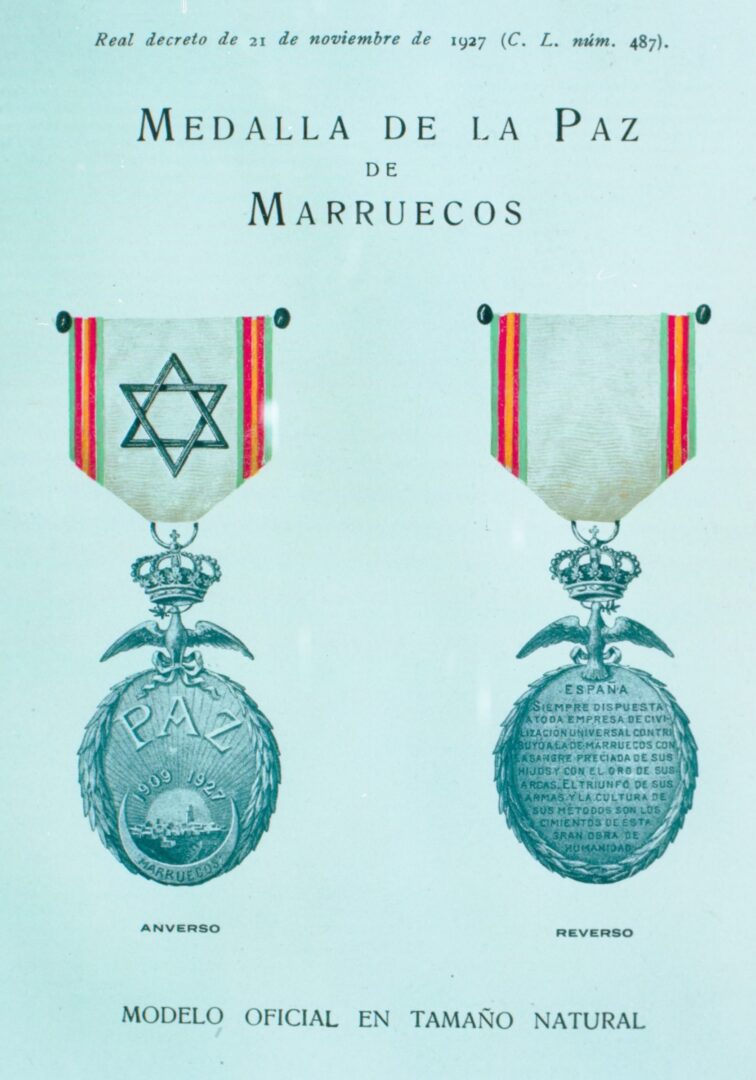
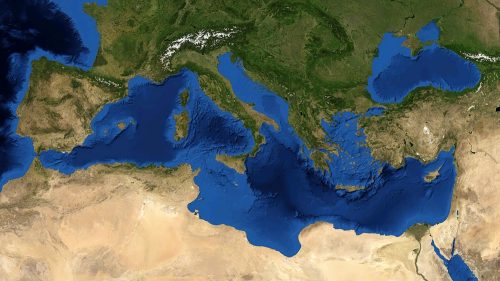
The Spanish Protectorate in Morocco is the legal figure applied to a series of territories in Morocco in which Spain, according to the Franco-Spanish agreements signed on November 27, 1912, exercised a protectorate regime. Eight months before the agreements, France had created its protectorate over most of present-day Morocco. However, the creation of a colonial administration over the territories of the Protectorate in the Rif would not be effective until 1927, once the area had been completely pacified. The Protectorate would last until 1956, with the independence of the kingdom.
In the 19th century, the weakness of the Moroccan sultanate led to a progressive intervention by Western countries in its internal affairs, especially France, the United Kingdom and Spain. In the Spanish case, under the pretext of responding to an attack on Ceuta carried out by some bordering tribes, Spain attacked the rebels, carrying out military operations of some magnitude that led to the Battle of Castillejos, the capture of Tetuan and the signing of the Treaty of Wad-Ras in 1860. These names are very present in the street names of Barcelona and other cities in the Principality, since Catalan soldiers had a prominent presence in this African adventure, and General Joan Prim made his career there.
By the end of the 19th century, Morocco had become a crossroads of European interests, in full colonial expansion, and the fear of the emergence of a new actor, Germany, precipitated the consolidation of a status quo in those territories. In 1890, France and Great Britain reached an agreement so that Morocco remained in the orbit of France and Egypt, of the British. And Spain?
When Spain lost its last colonies in Cuba, Puerto Rico, the Philippines and other Pacific islands in 1898, many eyes turned to Africa as a place of conquest. At the Algeciras Conference in 1906, this situation was consolidated and a nightmare began for thousands of Spaniards, who had to fight and die again in colonial wars. In 1909, the so-called Melilla War began, in which the Spanish troops suffered a serious military setback on the Gurugú mountain and the Llop ravine, with serious repercussions on Spanish domestic politics. It should be remembered that the so-called Tragic Week broke out due to the riots caused by the call to the ranks of reservists.
Through the Spanish-French Treaty signed on November 27, France recognized Spain as the territory of the northern part of Morocco, in which a Spanish protectorate was established, with its capital in Tetouan, which was to normalize the situation from a formal point of view. The beginning of World War I caused Spain to stop occupying territories, to avoid a war with other European powers. However, there are very interesting stories of arms trafficking, of German agents inciting the Maghreb tribes against France, etc. After the war, military operations resumed in what we know as the Rif War (1921-1927), which began with the disaster of Annual, in July 1921.
Between July 22 and August 9, 1921, near the Moroccan town of Annual, the Spanish army, and indeed the entire country, suffered one of the worst military defeats in its history. Sidi Dris, Monte Arruit or Igueriben are names that, for decades, made many families tremble. The moral and military impact of the catastrophe caused a political upheaval due to the monarchy’s involvement in strategic errors and the inability to find a solution to the war. It is enough to remember that the investigation of the facts, contained in the famous Picasso file (by General Juan Picasso, investigator of the case) led to the formation of a commission of inquiry that, coincidentally, was left at a dead end with Primo de Rivera’s coup d’état in September 1923.
After the disaster of Annual, the Spanish army was unable to recover the lost territory and pacify the territory. Even among the military, it was impossible to find an agreement between those in favor of taking the war to the extreme or definitively abandoning the colony. The discussions were very tough and the military came to blows with each other, with accusations of cowardice, treason, etc. General Primo de Rivera, a singular dictator, was initially in favor of abandoning Morocco, and was accused of abandonment by part of the army. But faced with the pressures coming from all sides, and the repeated attacks of the Kabyles led by Abd el-Krim, the government made the decision to go all out. This time, the State agreed with France, which shared the problem in its Moroccan territories, and faced the situation with intelligence, organization and good preparation.
A strategic mistake
In April 1925, the chief Abd el-Krim attacked the French zone of the Protectorate and precipitated an understanding between France and Spain, always at odds but now allies. At a conference in Madrid on July 21, it was agreed to strike a decisive blow to the heart of the rebels, in the Alhucemas area, a territory dominated by the Beni Urriaguel Kabyle, to which Abd el-Krim belonged.
The very risky proposal was a Spanish landing in the Bay of Espígols, with the support of a combined Franco-Spanish naval and air fleet. Although amphibious operations have always been part of naval history, in the industrial and logistical warfare of the 20th century, the memory of the disaster at Gallipoli in 1915 was still too recent. Let us remember that the Allied forces tried to crush the Ottoman Empire with a landing made without preparation and underestimating the Turkish enemy, who proved unbeatable. It all ended in a massacre for the British and French, with more than 200,000 casualties. Now, the Spanish government was being cautious and did not want to make the same mistake.
The context was favorable. In Spain in 1926, the dictatorship of Primo de Rivera had been established, which controlled the country with the general support of the army, although it also had to face resistance from the “Africanists”, the military who had made a career in colonial war. Relatively modern weapons were available, including tanks and aircraft, and on this occasion a good job of information allowed the choice of the playing field, that is, the place to put one’s foot on the ground. The beach chosen in the first place had been mined, and when this was discovered, the beaches of La Cebadilla, Ixdain and Cala del Quemado, to the west of the Bay of Alhucemas, were chosen. The moment chosen was September 8, 1925.
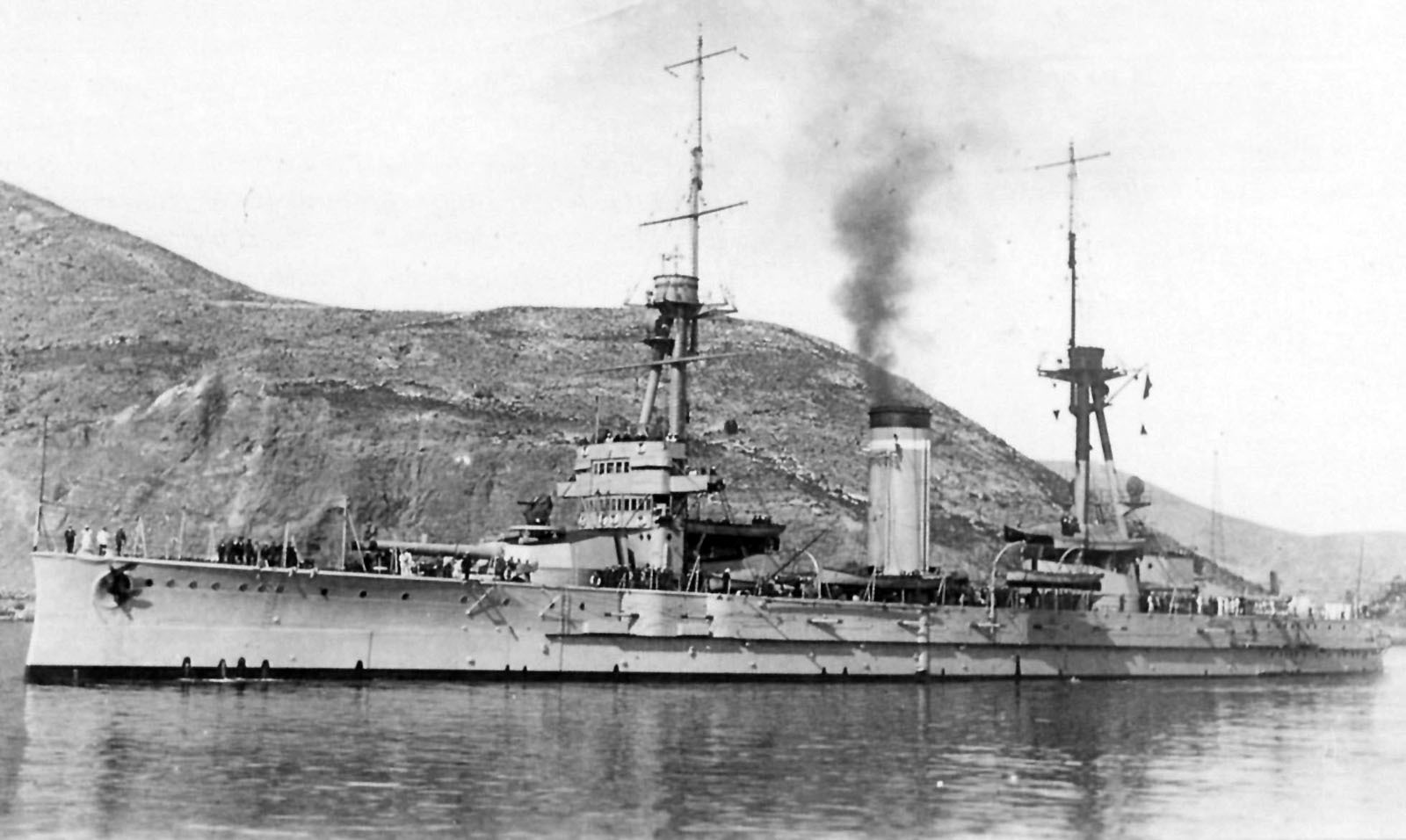
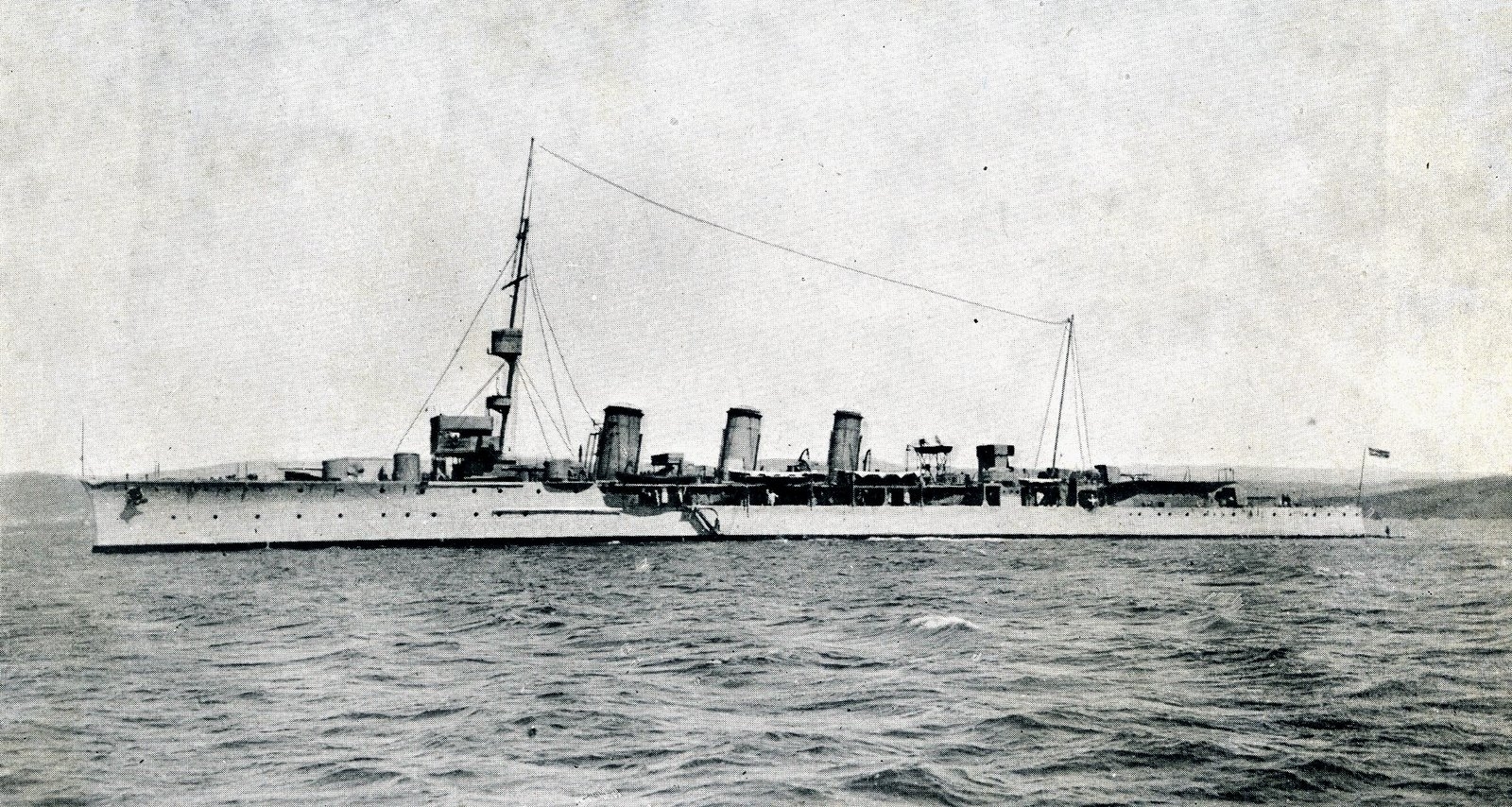
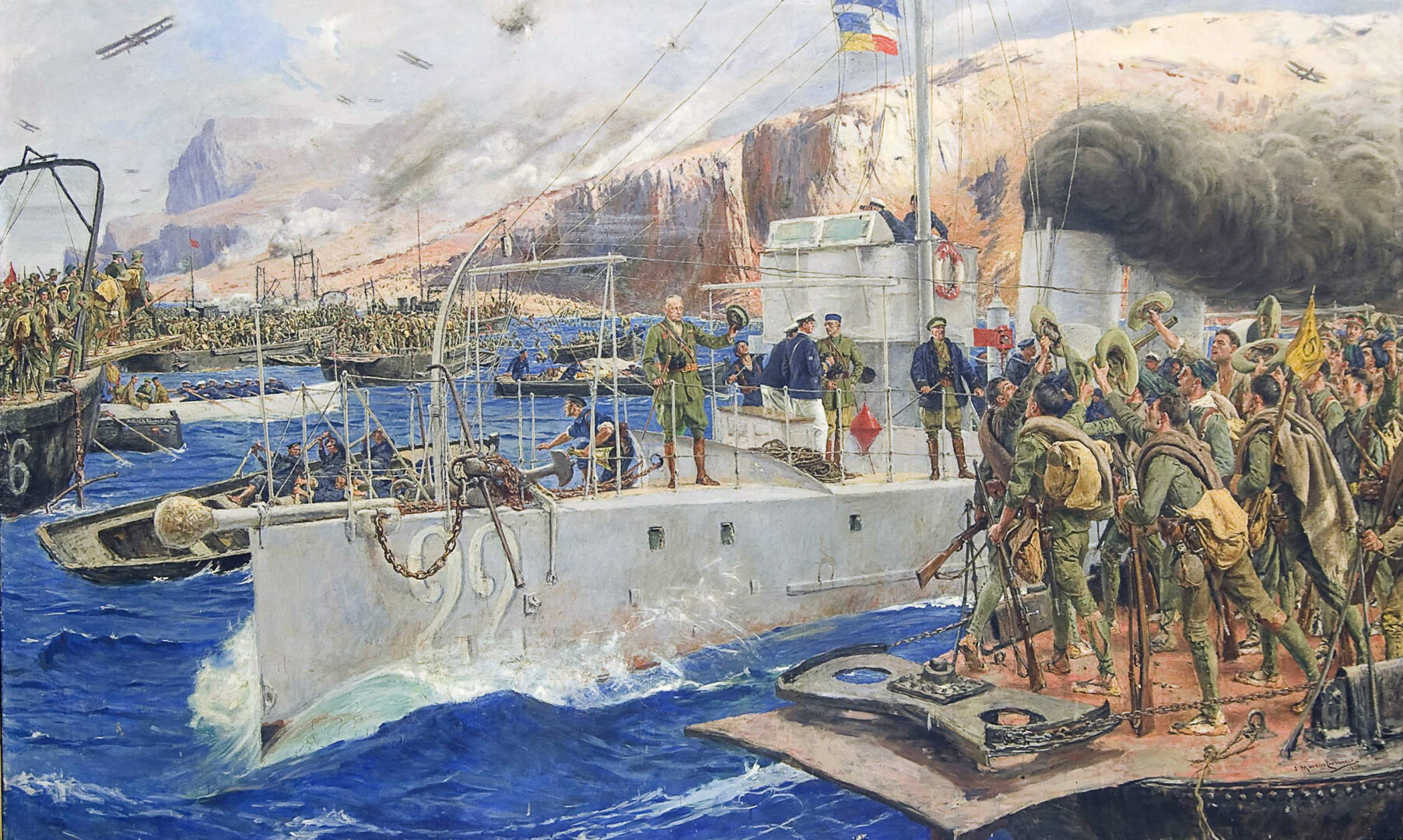
A small army was assembled with strong naval support. For the landing, 24 K-type barges were purchased from Gibraltar, which had participated in the disaster at Gallipoli. Obviously, the Spanish General Staff did not believe in the possible bad luck that inhabited these boats. Each of them could carry 300 men, and some were equipped to transport armored tanks, another absolute novelty at that time, since they had never been brought to a beach from the sea. The Rifians had some materials of European origin (field artillery, machine guns, mines buried on the beaches, etc.) but the starting point was unfavorable for them. The artillery preparation by the Spanish squadron (battleships Alfonso XIII , Jaime I, etc.) and the attacks of the air force prepared the ground. For the first time, what, during the Second World War, would be a fairly frequent combined operation was seen. Alhucemas is the first naval air landing in world history.
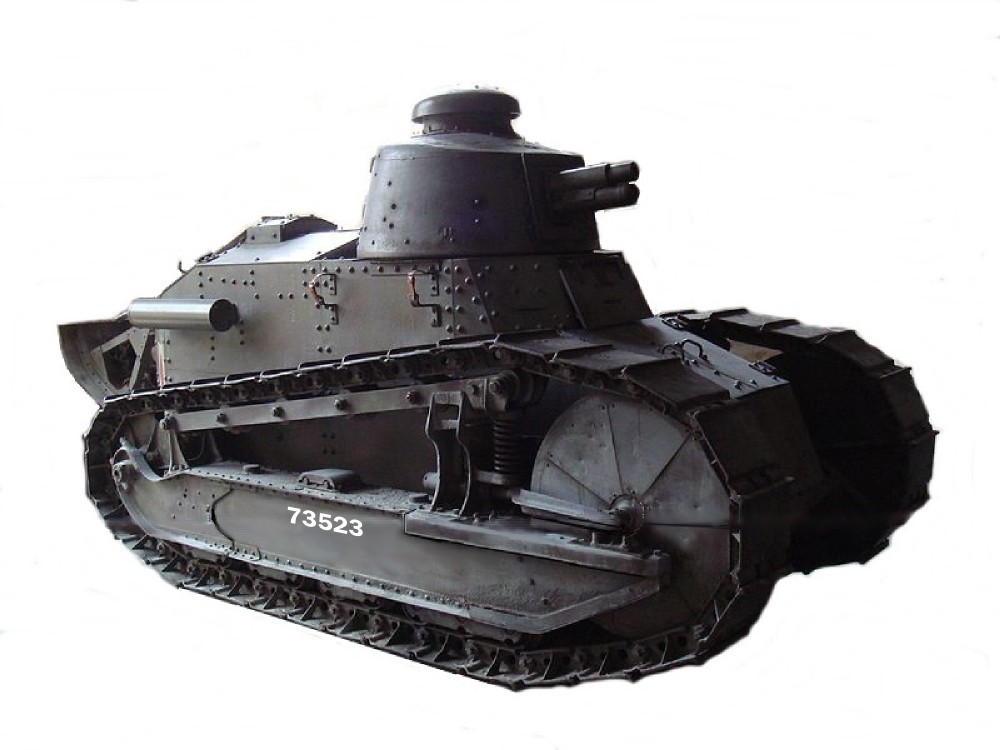
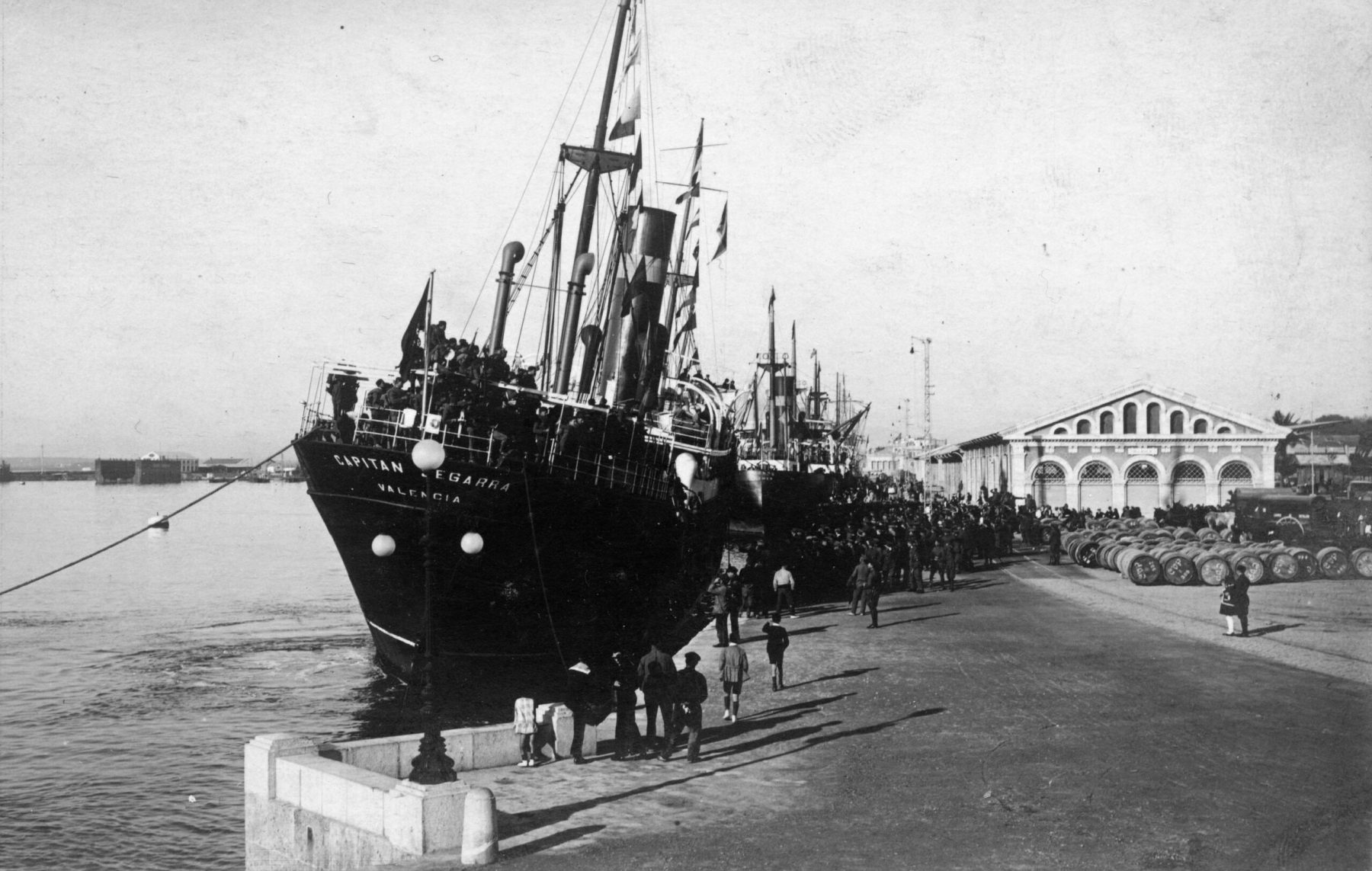
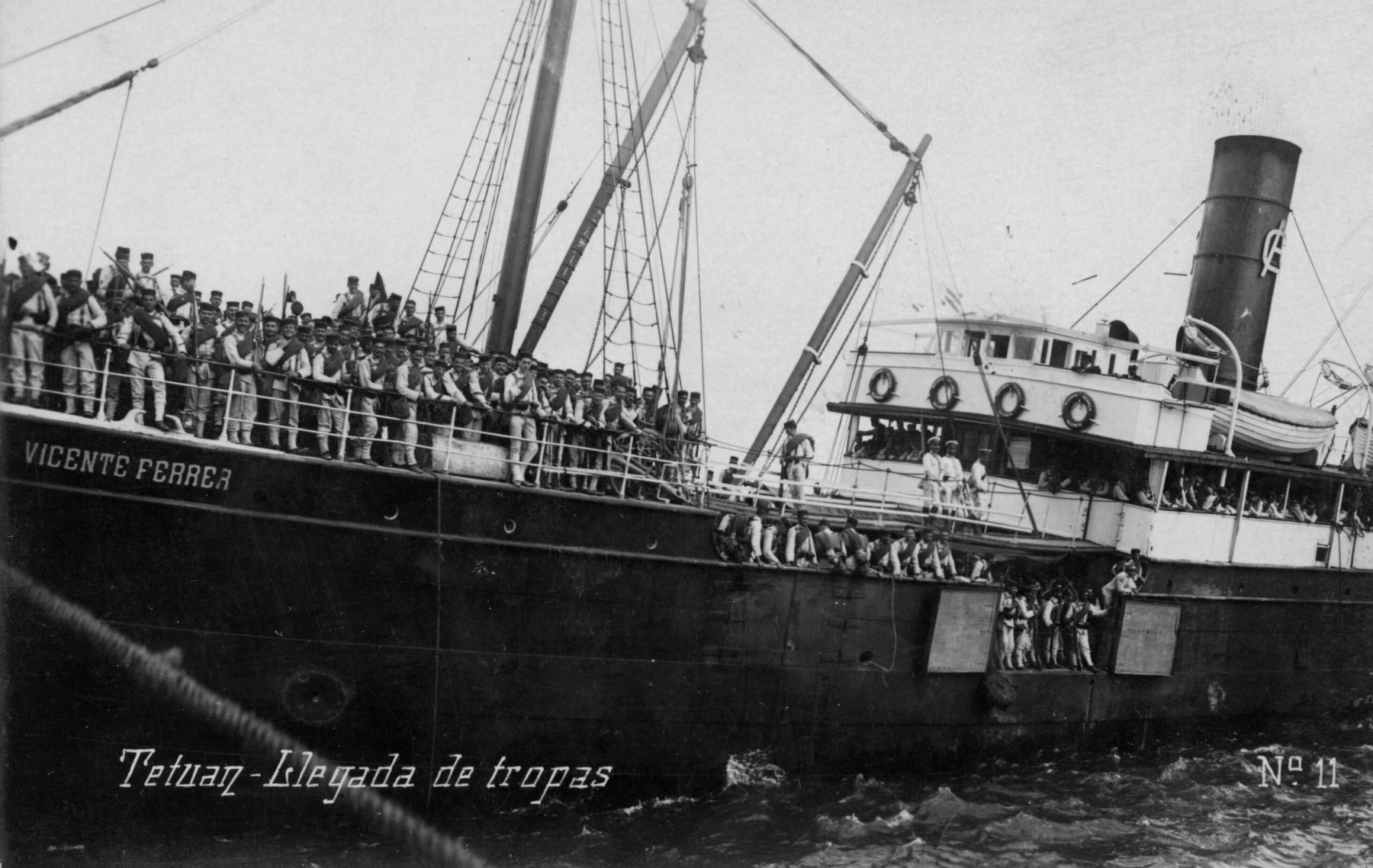
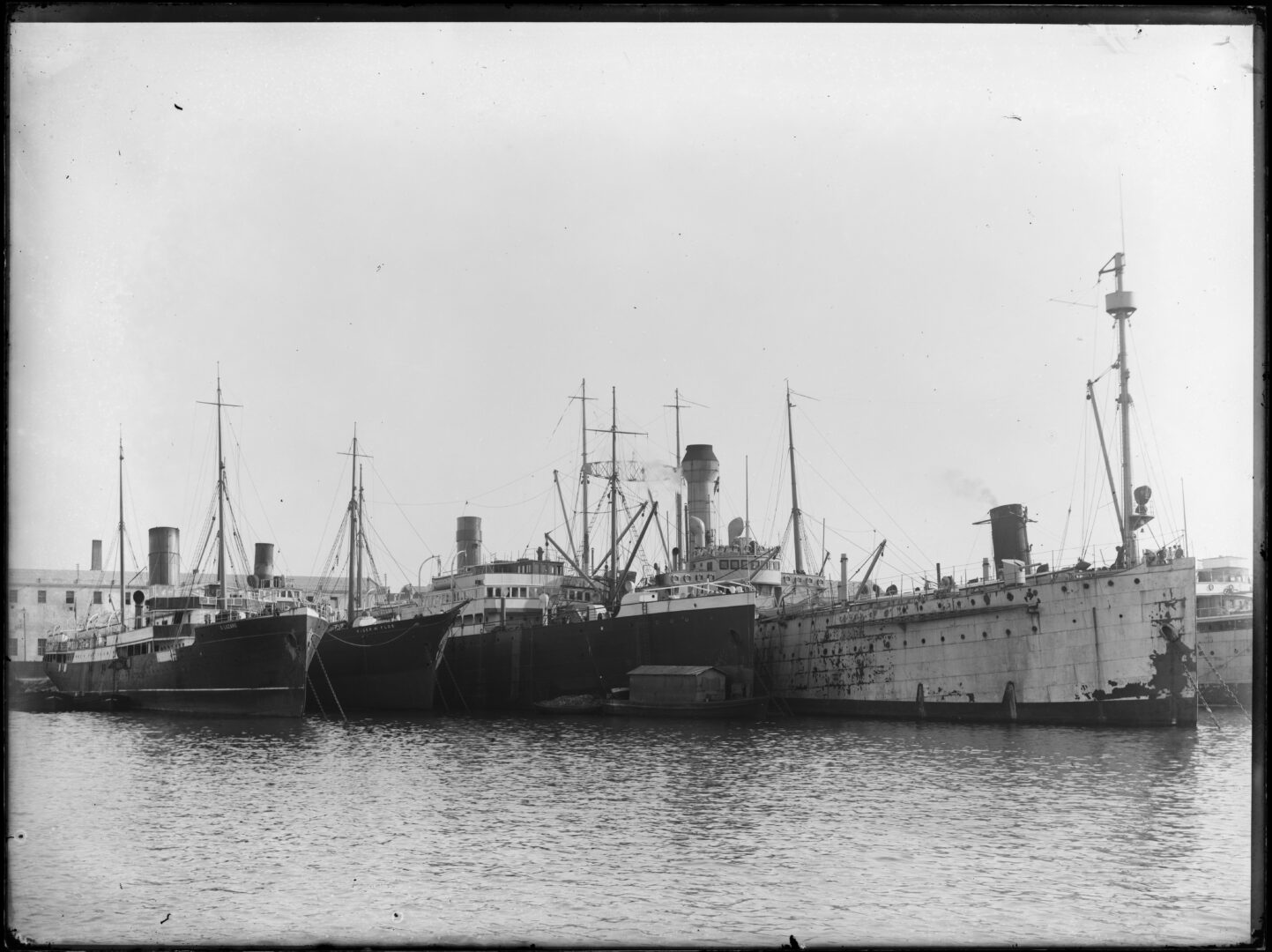
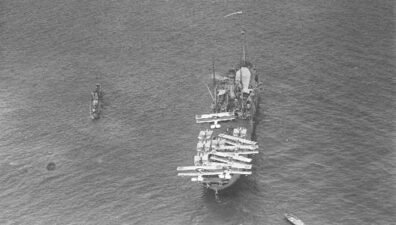
The first wave brought about 9,000 men and a lot of logistical material to the mainland. By nightfall, 13,000 men had already landed and the beach was secured. It is important to emphasize that this operation was innovative in many ways; for example, in the attempt to land eleven Renault FT model 1917 armored cars (failed when the barges ran aground), in the direct air support in a landing (with tactical actions against specific targets) or in the support of merchant ships as war transport. In this case, the participation of ships from the Trasmediterránea Company, founded a few years earlier, in 1917, stands out. Up to 36 ships from this company participated in the transport of troops, including three capable of being hospital ships, divided into six flotillas. Even more spectacular was the participation of a new type of ship, the aircraft carrier Dédalo , then a pride of the Catalan aeronautical and maritime industry. In our imagination we have the great aircraft carriers of the Second World War, but in a certain way the Dédalo is part of the protohistory of naval aeronautics, and its role in Alhucemas was very prominent.
Alhucemas had as commander-in-chief General Miguel Primo de Rivera, and as executive chief of the landing forces on the beaches of the Bay of Alhucemas General José Sanjurjo. Among the leaders participating in the action, was also the then Colonel Francisco Franco, who for his performance at the head of the Legion troops was promoted to brigadier general.
The operation was a total success, in all respects. The cost was 361 dead and 1,975 wounded on the Spanish side (Europeans and indigenous troops). But the result was that, in the spring of 1926, Abd el-Krim was defeated and the Spanish zone of the Protectorate was occupied and completely pacified. With French Morocco at its side, that part of the Maghreb was completely under European control. For Spanish boys of military age, the terror of service in Africa and a more than probable death had vanished.
In short, although the imagery of African wars is terrestrial, we have seen how the maritime dimension was key to victory. In recognition, on October 19, 1925, a banquet was organized at the Hotel Colón in Barcelona, where the officers of the Dédalo and the captains of the ships of the Trasmediterránea were honored.
Perhaps the landing at Alhucemas was not appreciated in its true dimension a hundred years ago, even though it was the first victory of the Spanish armed forces in decades. Only nineteen years later would the largest landing in history take place, on the coast of Normandy, which would put into practice many of the lessons of Alhucemas and other operations prior to D-Day.