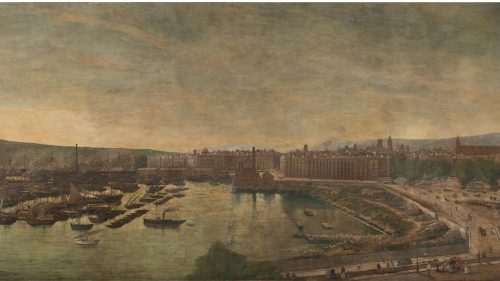
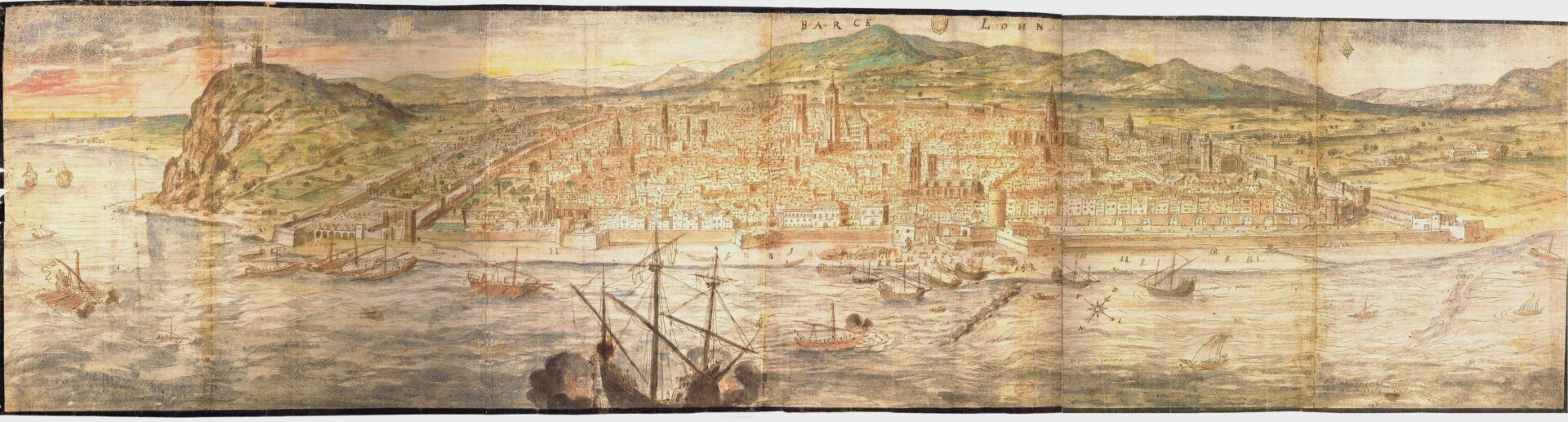
Barcelona and its coast
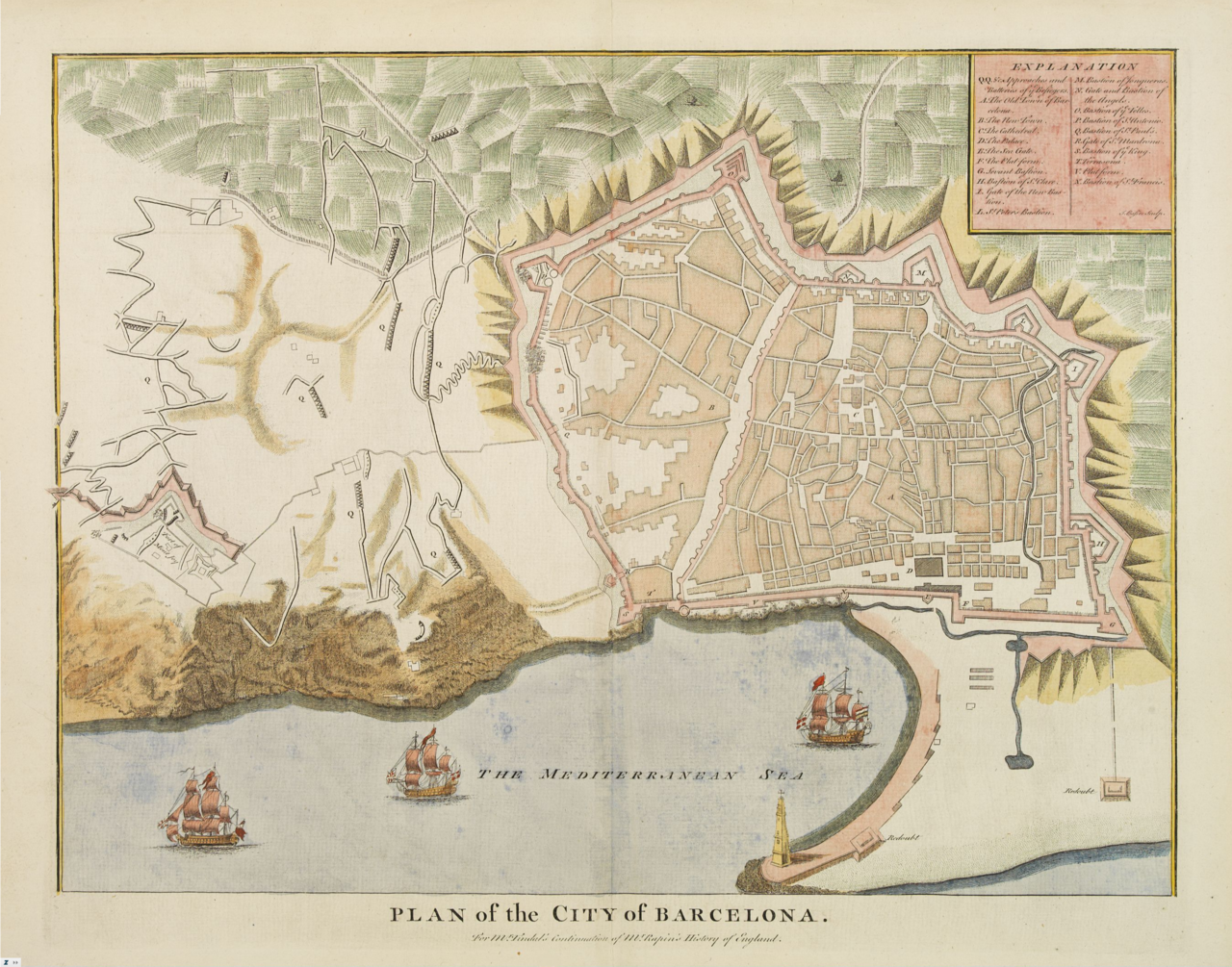
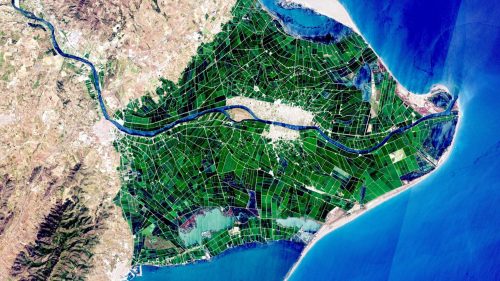
Flanked by the Llobregat and Besòs rivers, Barcelona is located amidst a fertile plain surrounded by the Collserola mountain range to the north and the Montjuïc mountain to the southwest. This plain has a slight slope towards the Besòs river and is crossed by a good number of small streams, most of which are no longer in the city today.
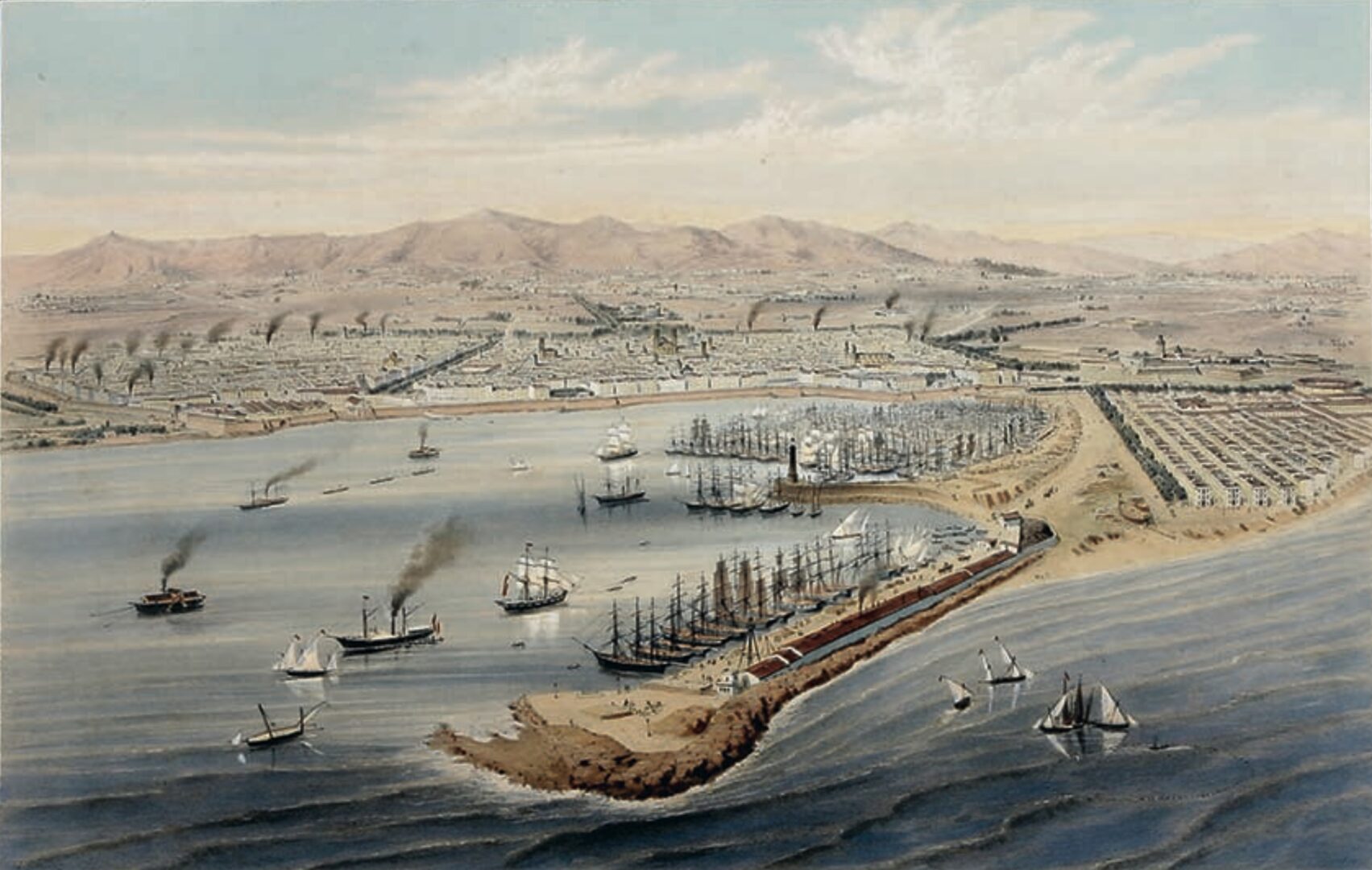
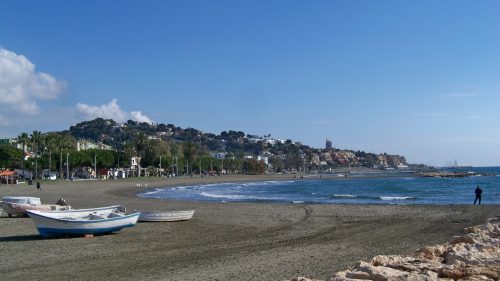
The city’s seafront consisted of a continuous coastline without any major alterations between Montjuïc and the Besòs River. Therefore, Barcelona had no natural harbour that offered protection for sailing. The city was completely open to the sea and at the mercy of sea storms and changing winds from the east and west. However, the conditions of Barcelona’s coastline made it possible for sandbanks, known as rades, to appear which made access to the city’s beach difficult and could even block it in the event of a shipwreck or a ship running aground.
Medieval attempts to build a port
The expansion of the Crown of Aragon in the Mediterranean, the increase in seaborne trade and the increased ship tonnage forced the municipal government of Barcelona, the Consell de Cent, to make a decision regarding the construction of a port structure that would make it easier for ships to arrive and to load and unload goods. However, it was not until the 1430s that the Consell de Cent promoted building the first port of Barcelona. The work began in mid-1439, with the ceremonial laying of the first stone. The project envisaged the construction of a seawall that would extend into the sea. Sea storms ruined the work done and construction only resumed in 1445 when large blocks of stone brought from Montjuïc were launched into the sea to make a breakwater. To lift these great weights, the painter Tomàs Alemany designed two machines: one, very close to Montjuïc, to load the stones onto a pontoon, and the other, located on the same pontoon, to throw them into the water. Unfortunately, sea storms ended the dream of having a port in the city.
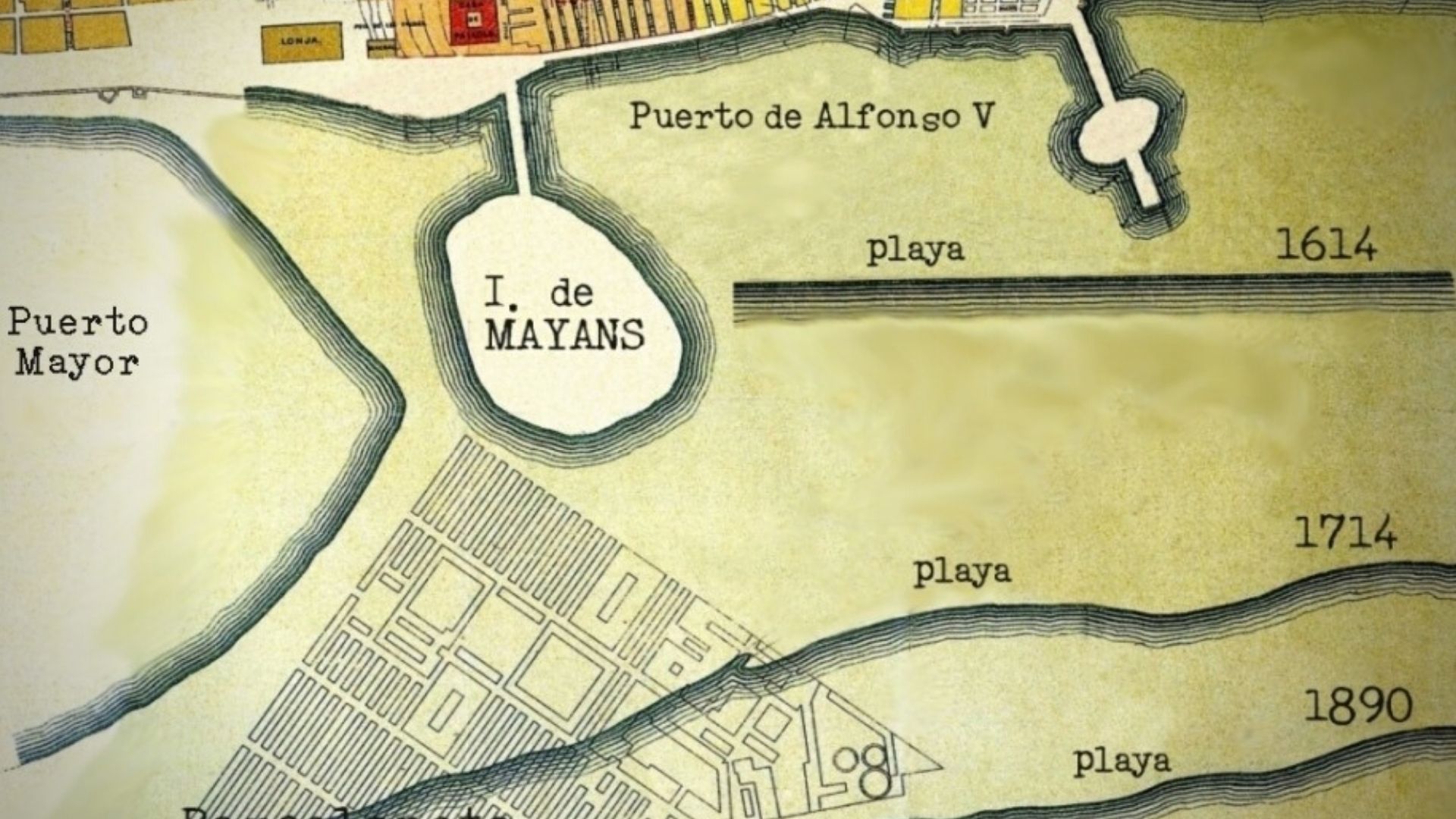
The Consell de Cent once again started the construction of a new port only in 1477. On this occasion, Barcelona’s city government had hired a renowned master in the construction of seawalls and other port structures: the master builder Staci l’Alexandrí. The construction work lasted for a decade and was carried out on a tascha or sandbank known as the Maians Island, which extended into the sea a hundred metres, measuring fifteen metres in width. This construction had immediate effects on the Barcelona coastline because the breakwater retained the sediments carried by the Besòs and a sandbar was formed, with an interior beach, on the western side of the bar. The continuous arrival of sediments, due to the frequent storms of those years, filled the port construction around 1486. From then on, construction on the port was abandoned due to the accumulation of sand and the municipal government’s financial woes.
The first port of Barcelona
Barcelona did not have a port until the end of the 16th century. Numerous attempts to build one during that century ultimately did not take shape, such as the one in 1516, with the master port builder Antoni Sastre, who worked on the construction of the port of Palamós; or the one in 1571, with the proposal of the Italian engineer Luís Testa who intended to get rid of the Rec Comtal canal. In the 1570s, the need to build a port became increasingly urgent, since the increase in sea storms that occurred from the middle of the century threw large quantities of sediments against the coast of Barcelona which decreased the depth of the sea and progressively prevented navigation, right at a time of economic prosperity when the city’s maritime trade was experiencing a revival.
On 29 June 1590, the chief councilor of Barcelona laid the cornerstone of what would become the first port of Barcelona. The municipal government allocated ten thousand Catalan pounds to build a port on the remains of the failed breakwater of 1477. Two years later, in mid-August 1592, Sicilian galleys were the first ships to moor in the city’s new port.
An unexpected enemy: sea storms
But this initial euphoria was soon dampened by a series of sea storms that assailed the port over the following years. The weather slowed down the work on the port and caused an increased number of shipwrecks as ships crashed into the construction. In April 1595, some ships that were in the city’s new dock wrecked while the papal galleys suffered serious damage. Two years later, a ship loaded with salt crashed beamwise into the dock due to a great storm that was raging at night and the fact that the port lamp was not lit.
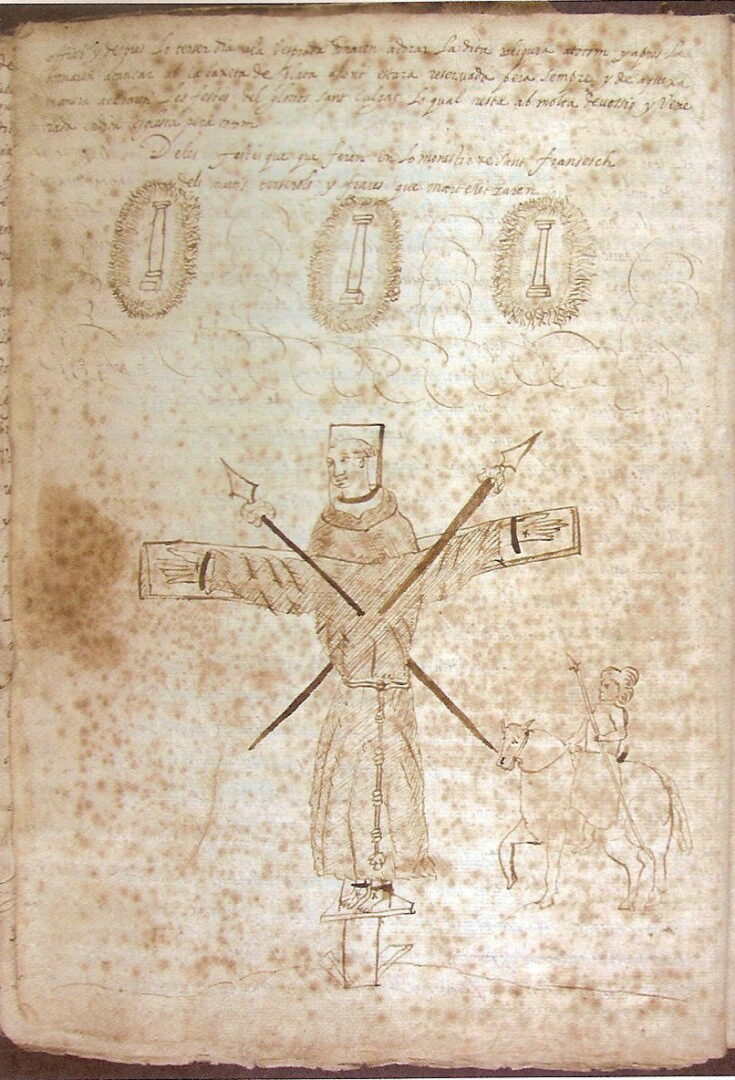
The last years of the 16th century and the first decade of the following century in Catalonia were characterised by the storms that struck it. The storms seriously affected the city’s seafront, especially the seawall and the new wharf, still under construction. At the same time, the floods and overflowing waters of the Besòs and Llobregat rivers considerably increased the amount of sediments dragged by the current which were deposited on the Barcelona coastline. In 1597, slaves from the Duke of Savoy’s galleys were used to clean and extract sand from the port while sailors and fishermen were prohibited from leaving their boats stranded on the beach in the meantime to prevent the slaves and convicts from escaping. Repairs to the damage caused by the storms to the wharf forced the municipal government to allocate more money to cover the costs of the repairs. Thus, from 1602, the Consell de Cent dedicated two thousand Catalan pounds annually to the repairs of the wharf and opposite wharfs under construction. The year 1603 was particularly complicated, when a storm tore down a good part of the seawall, near the Sant Francesc monastery, and part of the shipyard bastion. In addition, torrential rains caused debris in the quarries on Montjuïc from which the large stones were extracted and thrown into the sea to build the port. The Consell de Cent then decided to use the rocks they could extract from the quarries to rebuild the demolished seawall, to the detriment of the construction work at the port.
Despite the strong storms of these years, none of them had the virulence of the great storm that affected much of Catalonia in 1617, known as the Year of the Flood. On 2 November of that year, the storm was devastating for the Barcelona plain and the surrounding lands. The Llobregat and Besòs rivers flooded the land adjacent to the lower reaches of these rivers for weeks. In the city’s port, expert fishermen and sailors hurried to moor their boats to prevent them from colliding with each other or against the wharf or Montjuïc, while a large amount of sediment carried by the rivers accumulated on the city’s wharf, both on the east and west sides.
In mid-1620, after a major storm that demolished much of the city’s wharf, the Consell de Cent warned how the municipal council was deep in debt after almost three decades of continuous sea storms with the consequent costs of construction and repair of the damage caused to the port. To guarantee navigation in the port and the continuity of seaborne trade threatened by the accumulation of sand, the Consell de Cent proposed a 10% increase in the duties that foreign merchants had to pay to enter or remove goods from the port, a measure that was not at all popular among the colony of foreign merchants residing in the city.
Designs for preservation
Towards the mid-1620s the climatic situation changed, with a series of intense droughts interrupted by aggressive storms. In 1625, a great storm at sea endangered the twelve galleys of the Spanish squadron that had arrived with twelve hundred children heading for Milan. The storms of these years were characterised by the virulence of the changing winds that caused serious problems in the port of Barcelona, as explained by the tanner Miquel Parets in his diary about the sea storm of 1632. During the Reapers’ War, the climate stabilized to a certain extent, although there were significant sea storms in 1643, 1645 and 1646. After the war, the Consell de Cent once again had to face the problem of filling the port with sand, as it reported in 1664, warning that if no remedy was found, the amount of sand in the port would end up completely blinding the port and endangering the city’s navigation and maritime trade. The Bourbons would inherit this problem at the beginning of the 18th century, when sea storms became common and forced the authorities of the new regime to design projects and plans to reform the port to preserve navigation.