The Ebro Delta is a territory crossed by water, where culture, memory and landscape have literally grown along the river. More than a physical element, the Ebro has been the vital and symbolic axis of a society that has learned to live with its rhythms and limits. Trades, language, architecture and rituals have gradually sedimented a way of being in the world linked to water.
From the first Iberian settlements to the modern mechanization of rice cultivation, the river has been a passageway, a border and a resource. The Middle Ages consolidated canals and mills under feudal rule; the 19th century brought agricultural intensification, social transformations and the beginning of a built landscape.
Today, amidst new tensions and opportunities, this hybrid legacy between nature and culture remains alive. And it is being rediscovered — increasingly — through a tourism that seeks to understand, not just see.
Lives on the riverbank
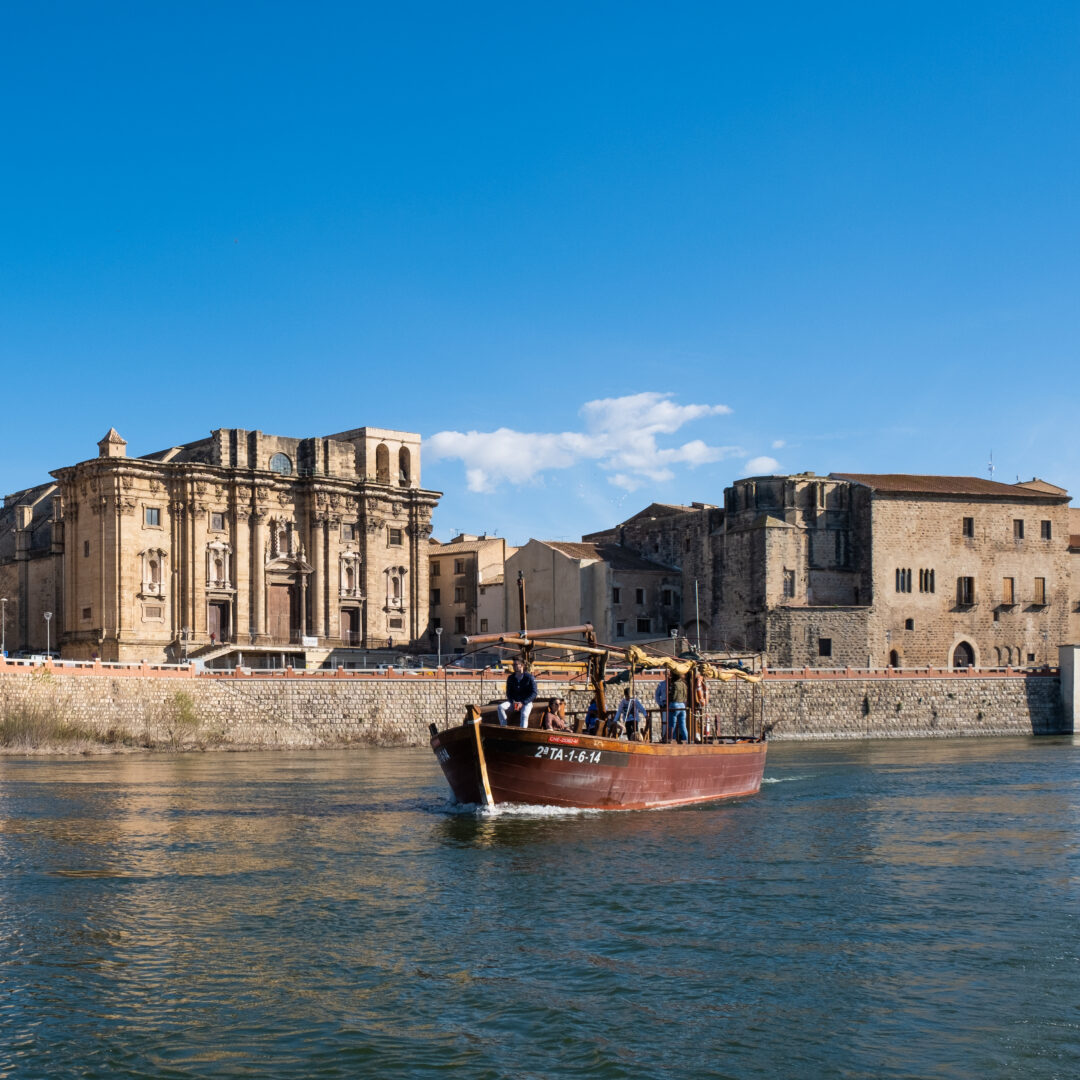
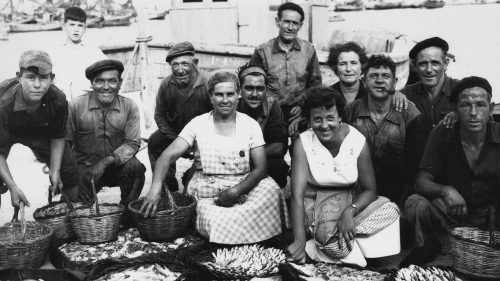
For centuries, life on the banks of the river was structured around trades such as lute-maker, boatman or eel fisherman. Men – and often entire families – lived from river transport, boating between towns or fishing in the canals. This economic and logistical system articulated the territory following the course of the Ebro.
With the progressive disappearance of these trades, part of the technical and ecological knowledge that is now recognized as intangible heritage has also been lost; a legacy made up of practices, tools and knowledge transmitted orally, which ethnography and collective memory attempt to preserve.
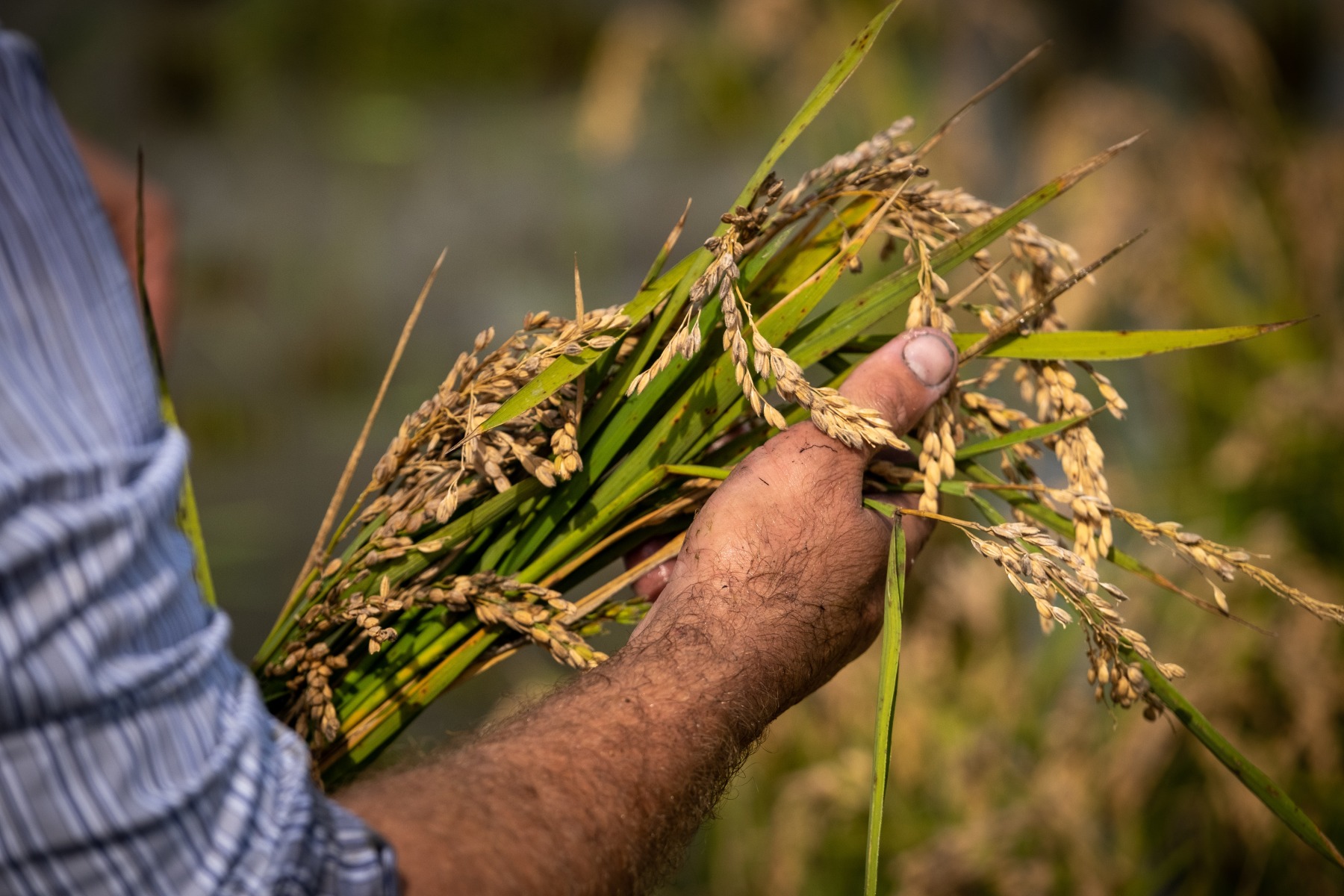
Despite mechanization, rice cultivation remains a central activity in the Delta, both for its economic importance and for the cultural value it preserves. The agricultural calendar still structures collective life today and keeps alive a heritage of practices and knowledge from the rural world. Along with these agricultural celebrations, other rituals such as Marian processions keep alive the link between water, community and protection. Water sets the rhythm of the landscape and also of customs.
These practices—festive, symbolic, and deeply rooted—are part of a way of life that has left its mark on speech, gestures, and constructions. They are, even today, a living heritage that is transmitted between generations and that tourism can help make visible and sustainable.
What the Ebro has left us
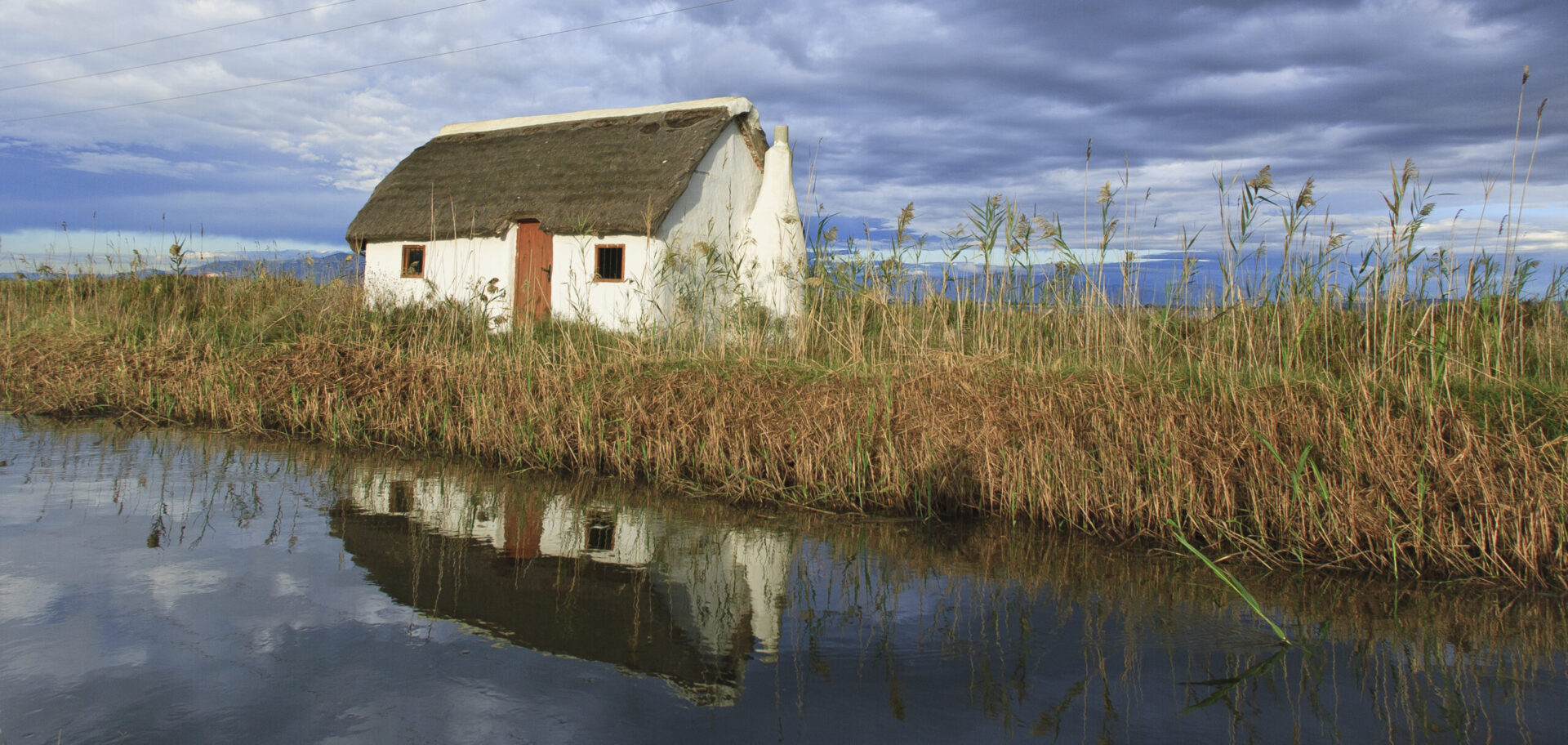
The delta landscape preserves vernacular architecture adapted to the environment, such as the huts with reed roofs, with a light structure and a simple floor plan. Some have been restored and turned into museums, and can be visited as part of the Delta’s identity heritage. Other spaces, such as the Rafelet mill in Deltebre or the old river warehouses, allow you to get to know a way of life linked to the river and agricultural cooperation.
The language is another expression of this culture. The Western Catalan spoken there preserves unique features such as the article lo , its own forms such as xalar or poal , and a lively agricultural and maritime lexicon. Initiatives such as those of the Consortium for Linguistic Normalization (CPNL) or publications by local authors such as Teresa Tort work to preserve this linguistic heritage, which can also be discovered through thematic routes or informative exhibitions.
In addition to words and sayings, oral transmission has also preserved a rich imaginary linked to water. Creatures such as the mermaid of Sòl de Riu —protector of fishermen—, the marfantos that inhabit the shores or the sea dog of Alfacs are examples of a symbolic tradition that gives shape to the fear, fascination and mystery of the river and the sea. These stories, shared from generation to generation, are part of a legacy that, together with the language and popular architecture, shapes a living culture rooted in the territory.
Visit to understand
This legacy, made up of knowledge, language and collective memory, is not only preserved in museums or homes: it can also be lived, shared and transmitted through tourism. When it merges with the community and the territory, it becomes a tool to give continuity to the ways of life that have been born from the river.
Tourism in the interior of the Ebro Delta is a growing phenomenon that generates opportunities, but also tensions. The impact on the landscape, seasonal pressure and the transformation of land use pose important challenges. For this reason, more and more initiatives are opting for a model based on in-depth knowledge of the territory and its living memory.
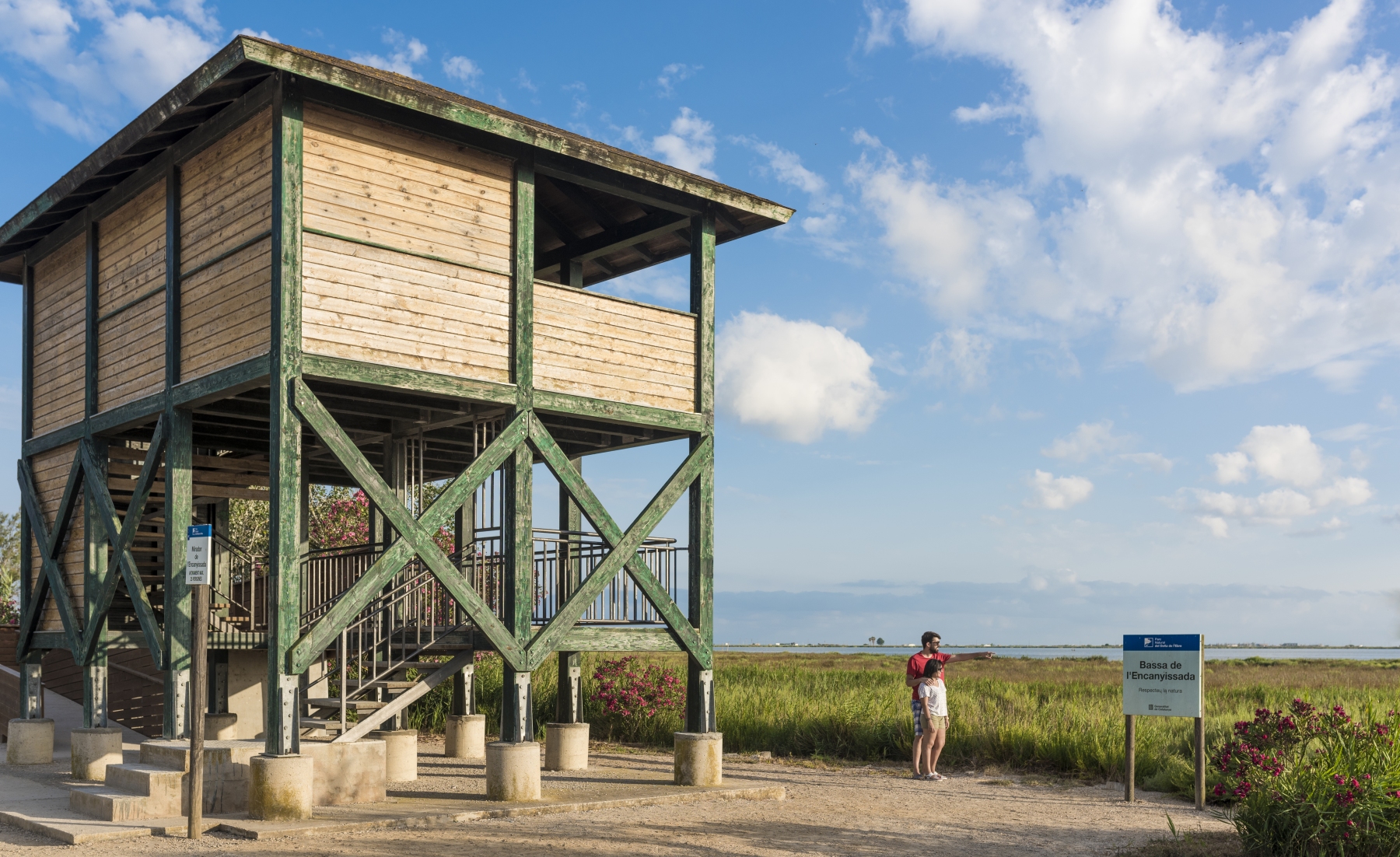
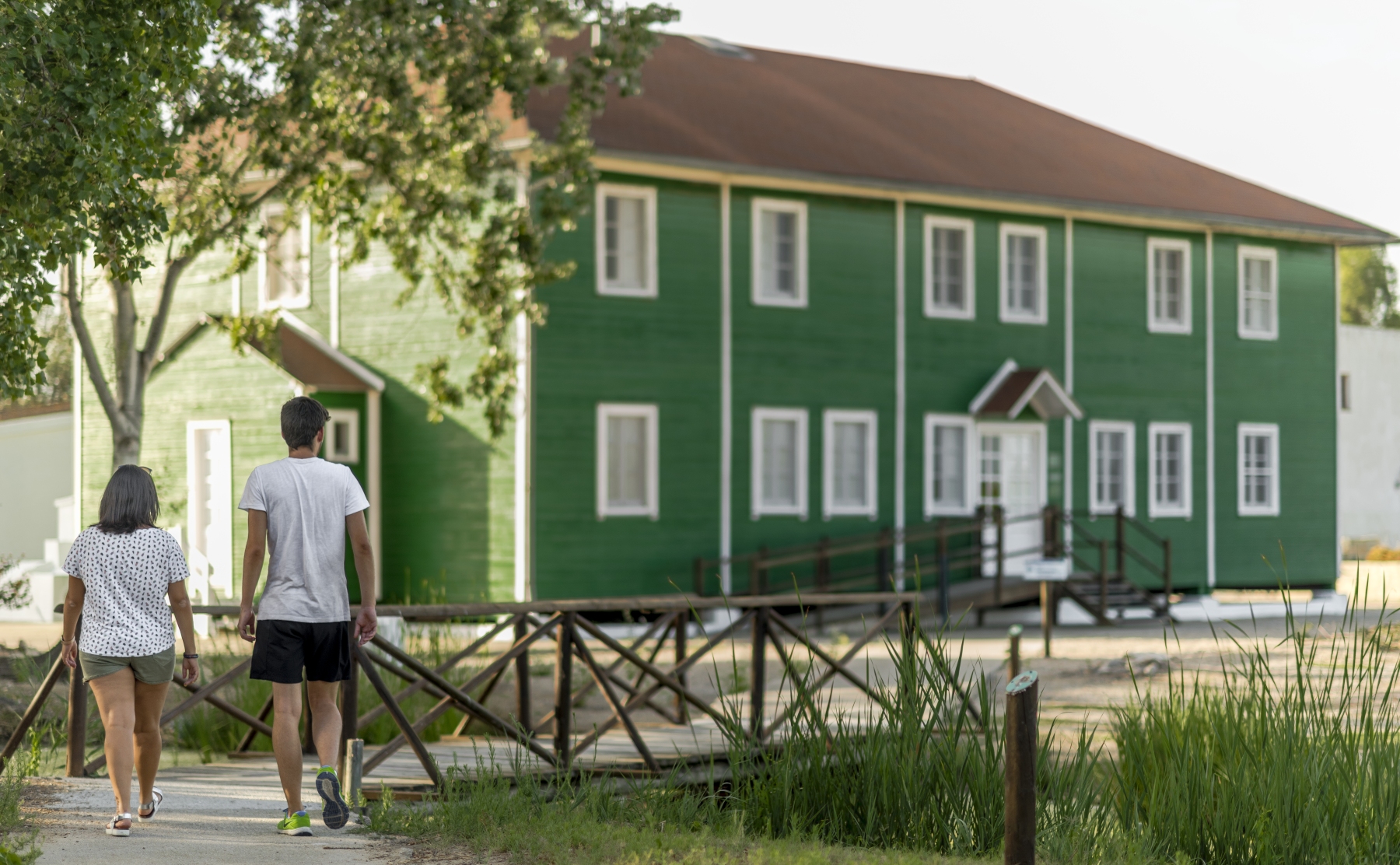
Facilities such as the Casa de Fusta, in the Encanyissada lagoon, or the Sant Jaume huts are outreach spaces that combine culture and nature. Other projects —such as the Ecotourism Festival or guided tours promoted by local cooperatives— offer experiences linked to the landscape, knowledge and community participation.
In this framework, the visitor is not a passive consumer, but an active participant in the transmission of a legacy. However, this balance is fragile: the intensification of the offer or the proliferation of second homes can put at risk the very values that are intended to be preserved.
This is why small-scale models are being advocated, adapted to ecological and social limits. Rather than exploiting the landscape, it is about inhabiting it with respect and continuity.
The flavors of a landscape
In the kitchen, this link with the territory is made to taste. Local gastronomy reflects the seasonality of agricultural cycles, the proximity of resources and the accumulated wisdom of generations. It does not seek exoticism, but fidelity to the environment, tasty simplicity and harmony with water, earth and time.
Cooking in the Delta means taking advantage of what each season offers and doing it with patience, knowledge and moderation. It is a cuisine that has managed to integrate marine resources and inland produce, that values fish soups as much as rice dishes, and that keeps alive a popular recipe book transmitted orally or in local booklets.
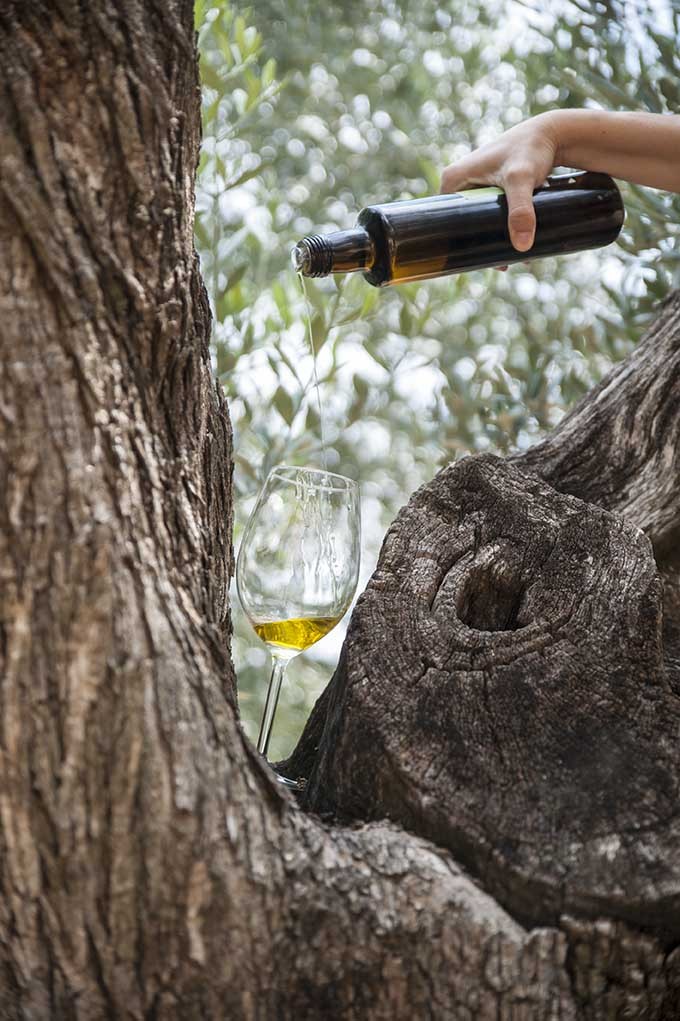
Visiting an oil mill, chatting with a producer, sharing a recipe or participating in a gastronomic day like those in La Ràpita or Deltebre not only satisfies the palate; it connects with a vibrant economy and with a territory that is also explained through taste, hands and the calendar.
Every year, several towns in the Delta celebrate the Plantada and the Sega as traditional festivals that allow them to relive agricultural cycles and get closer to the life of rice. Visitors can enter the fields, plant or harvest by hand alongside local farmers and learn the techniques that have defined the Delta landscape for generations.
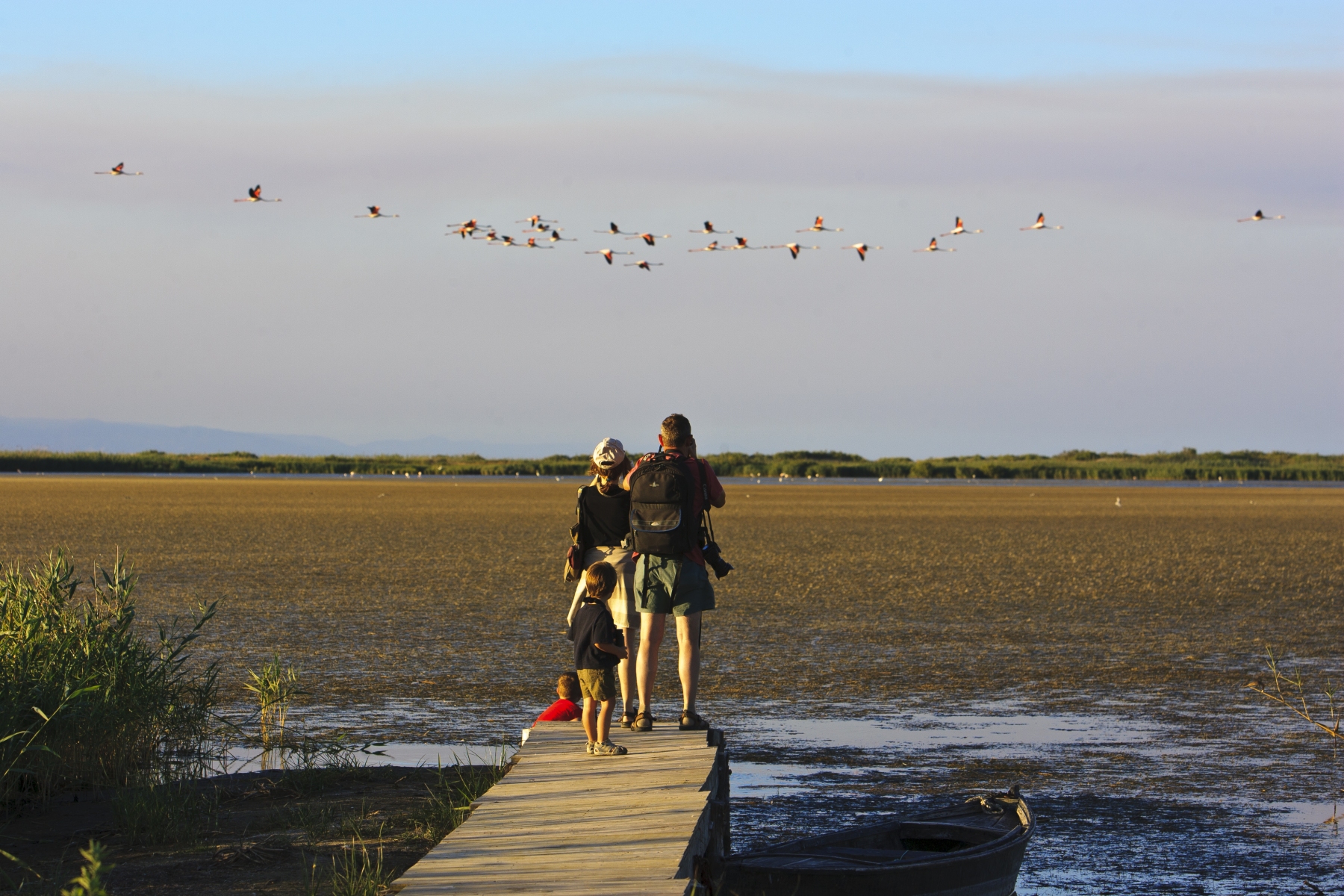
These days are often complemented with environmental workshops, family activities, bird watching, popular gastronomy and traditional music, such as jotas or rondalles. Beyond recreation, these festivals are a form of active participation: they connect the community with its environment and open spaces for meeting around the cultivation and culture of rice.
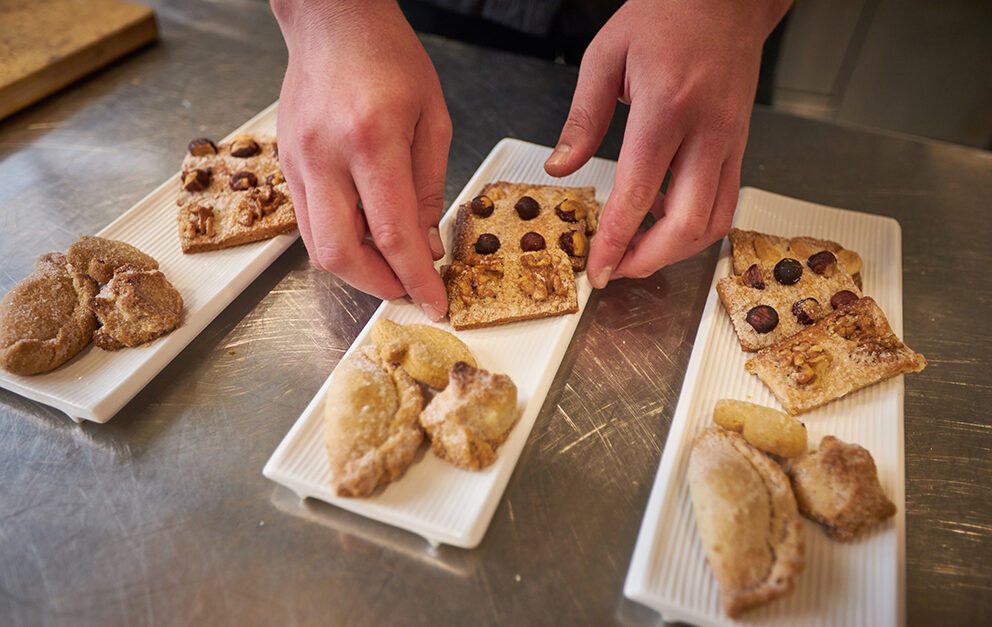 Making sweet cakes and the typical Tortosa pastries, unleavened dough ridges filled with angel hair. ©Terres de l'Ebre Tourism Board.
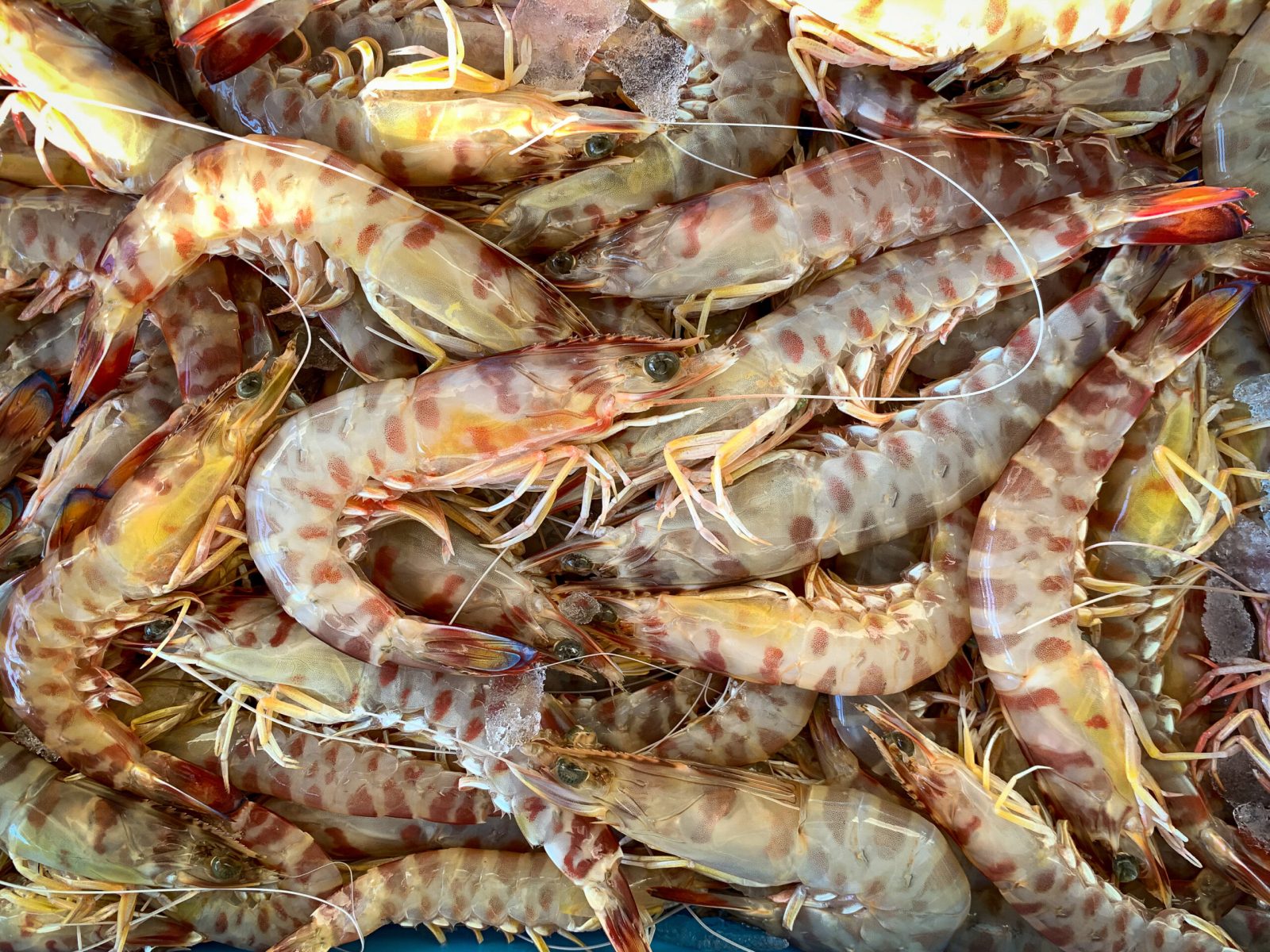 La Ràpita prawns are highly appreciated and are a common ingredient in the area's cooking recipes. ©Terres de l'Ebre Tourism Board.
 The clotxa consists of a round loaf of bread emptied of crumbs and filled mainly with herring, onions, tomatoes and roasted garlic. ©Terres de l'Ebre Tourism Board.
A territory to explore at a human pace
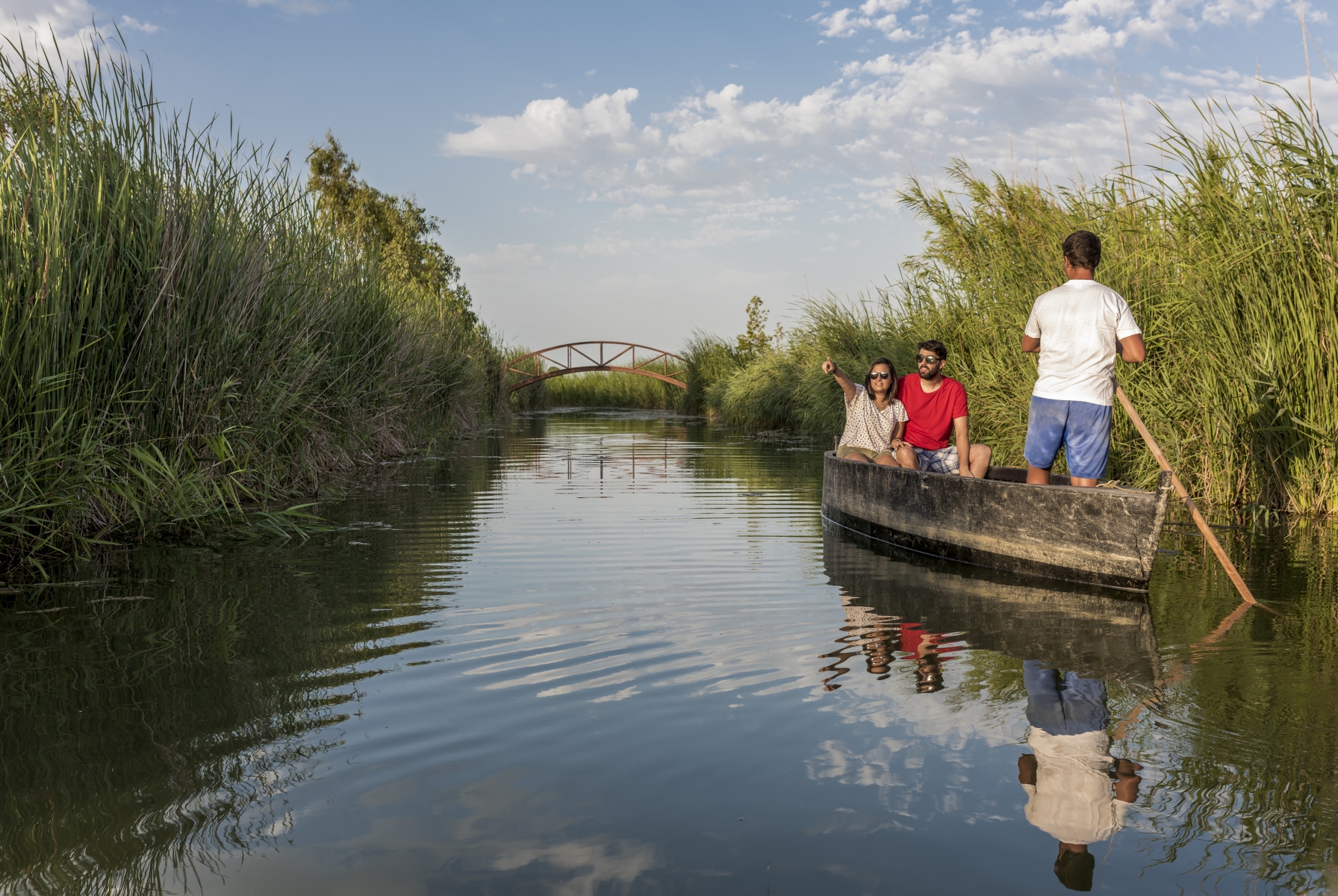
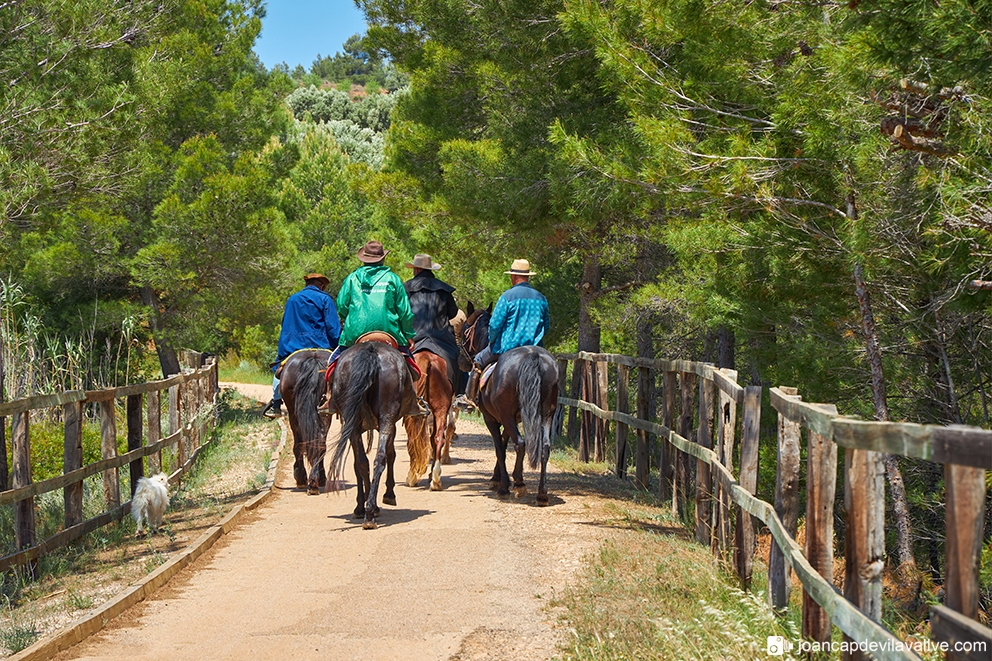
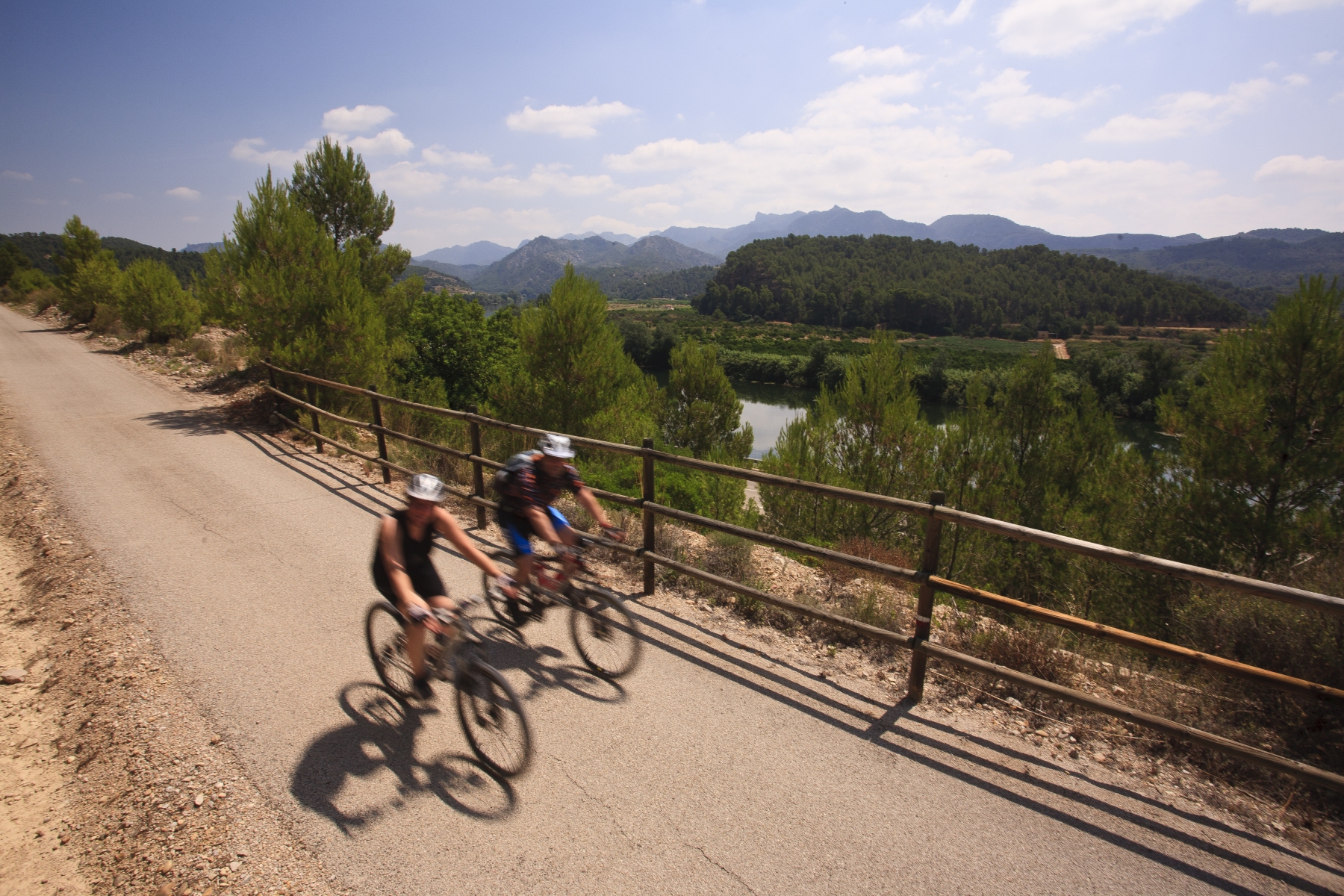
The interior Delta offers a network of paths, trails and routes designed to be explored at a leisurely pace. This peaceful mobility, based on the use of bicycles, hiking or light navigation, allows you to link agricultural spaces, wetlands and population centers such as Amposta, Deltebre or Sant Jaume d’Enveja, which are connected today through itineraries such as the Ruta de les Llacunes or cycling circuits between rice fields.
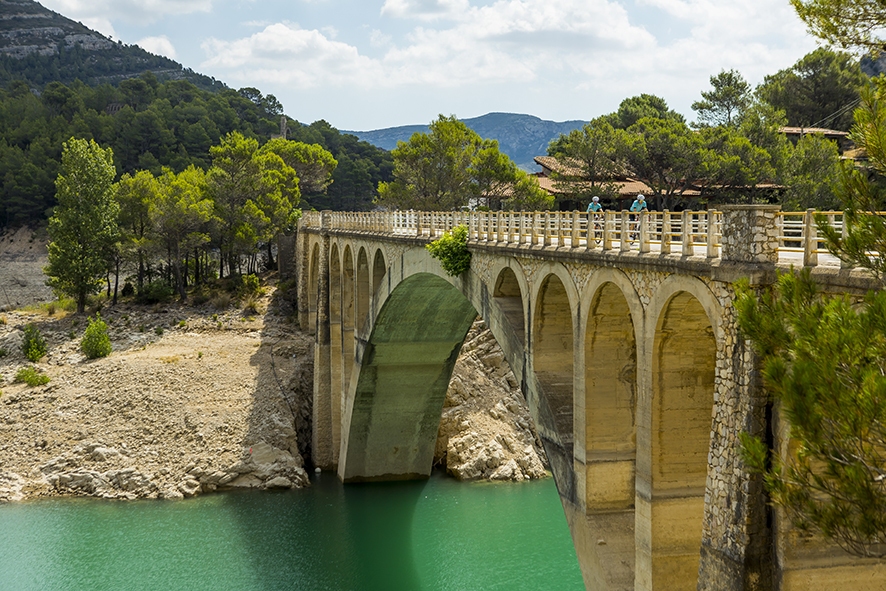
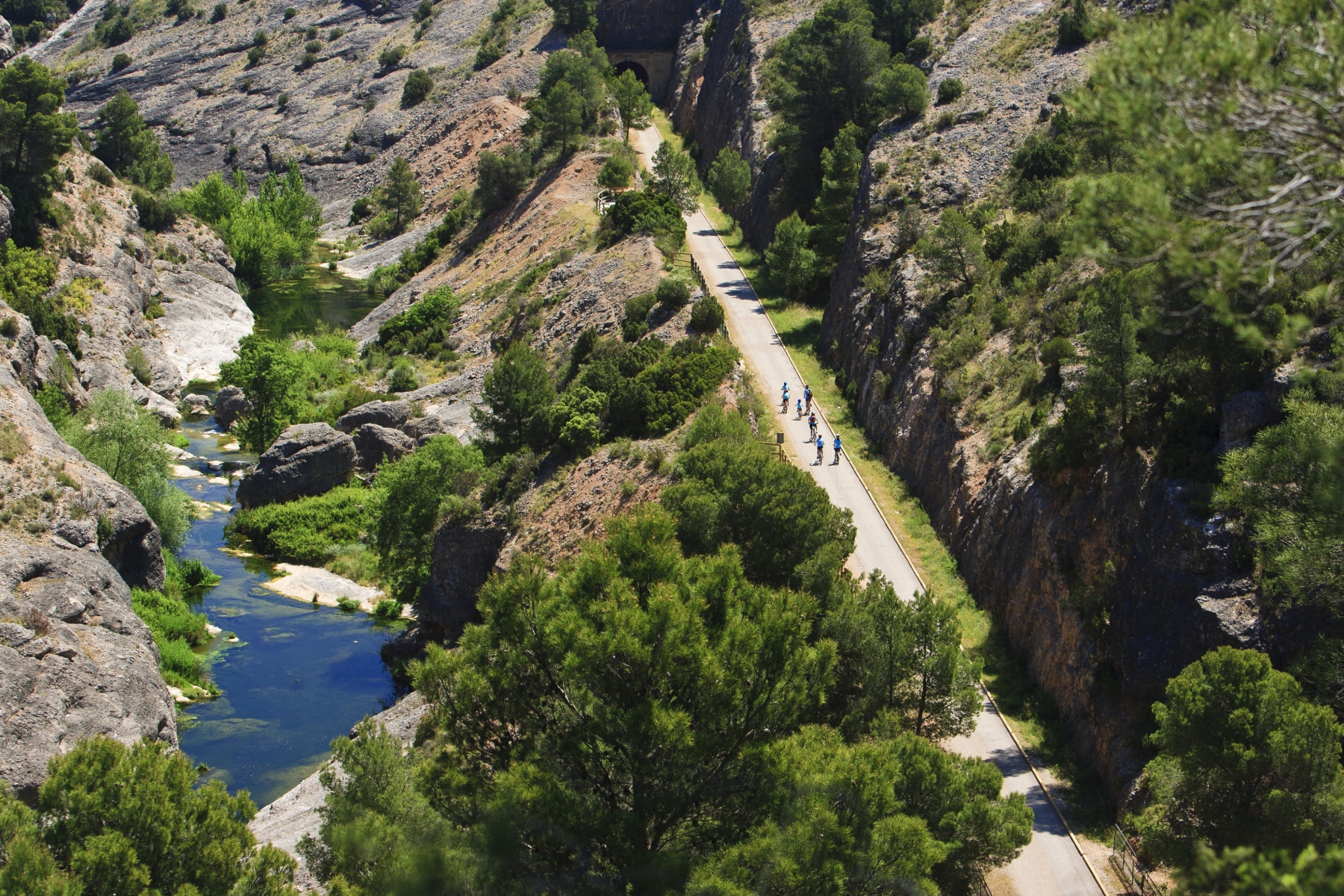
The Via Verda de la Val de Zafán, which follows the route of an old railway between Tortosa and the hinterland, is a good example. But it is not the only one. The towpaths that flank the Ebro, the routes between rice fields or the wooden walkways in riverside forest areas offer diverse scenarios for a leisurely discovery of the territory.
This type of active tourism does not require large investments or transform the environment. Instead, it requires a constant task of mediation: between those who know and those who arrive, between those who live and those who discover. In the Delta, walking, pedaling or rowing become forms of respectful approach; ways of making space without taking any away.
Memory that makes way
The Ebro Delta is not just a biodiversity space or a territorial management challenge. It is also a lived place, built with gestures, words and ways of doing things that have coexisted with water for generations.
Preserving this fluvial heritage—physical, symbolic and linguistic—is not an exercise in nostalgia, but a commitment to making visible other ways of inhabiting the world. To read the territory not as a stage, but as a story that is still being written, a story that finds in slowness, proximity and memory a form of future for the Delta and for anyone who wants to listen to it.