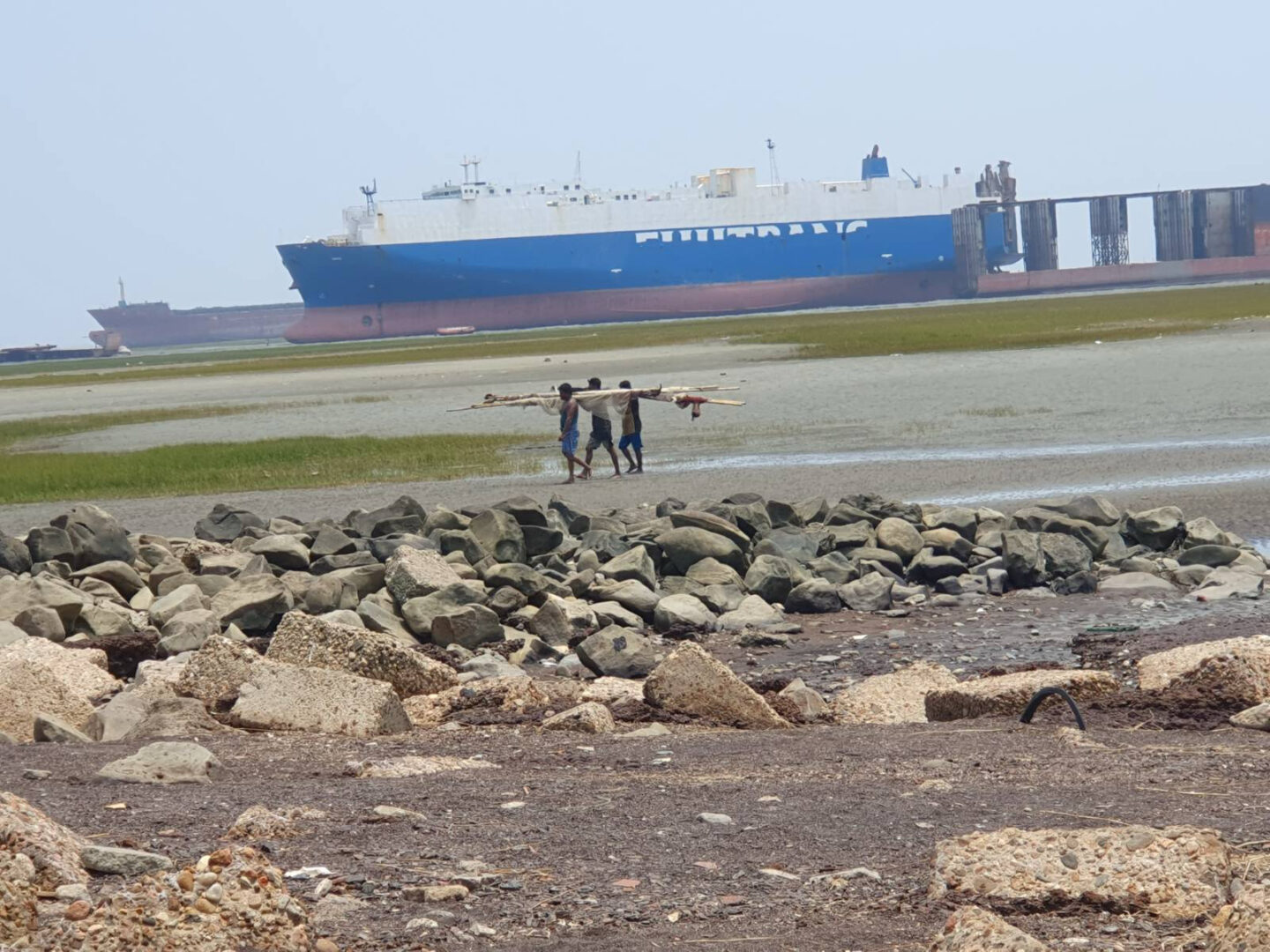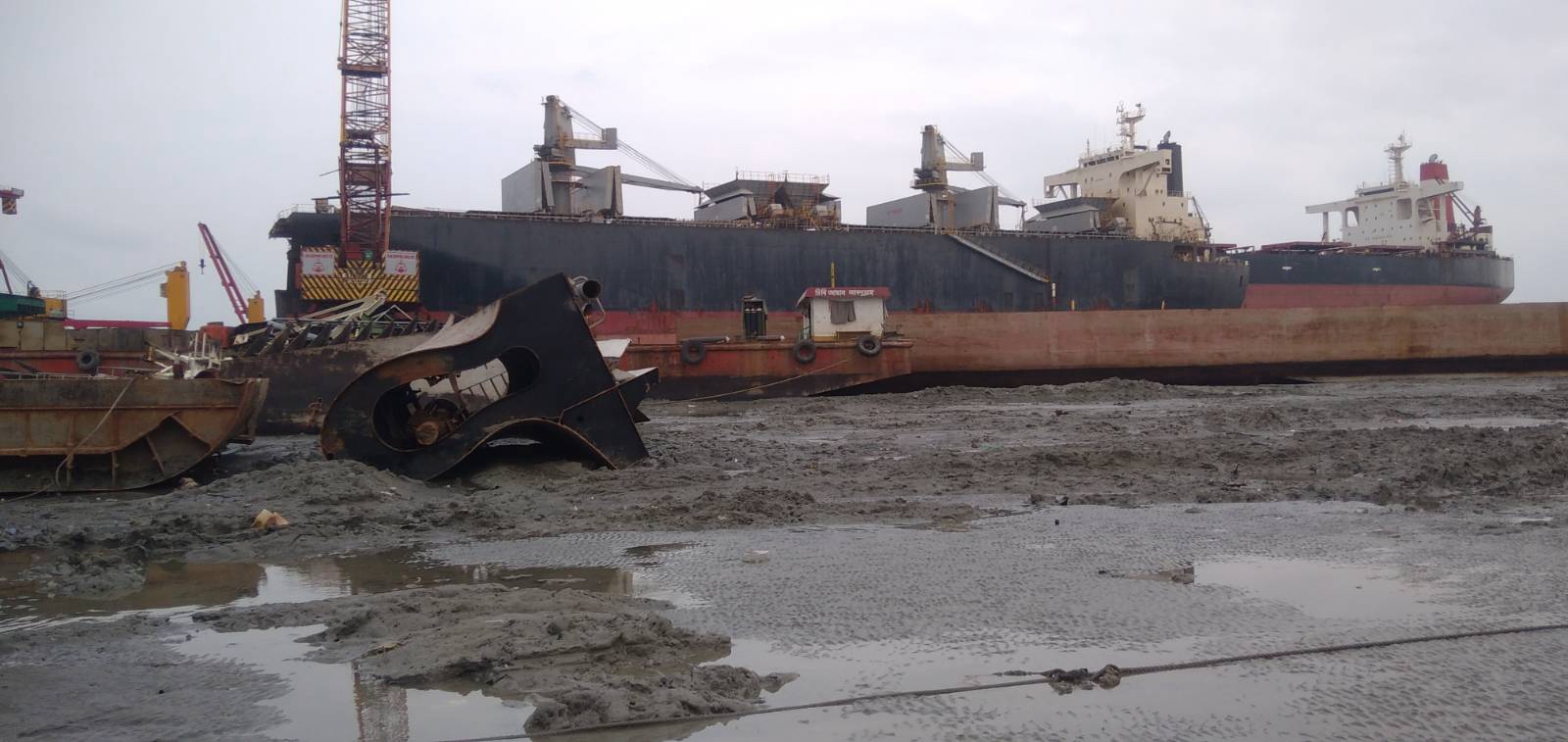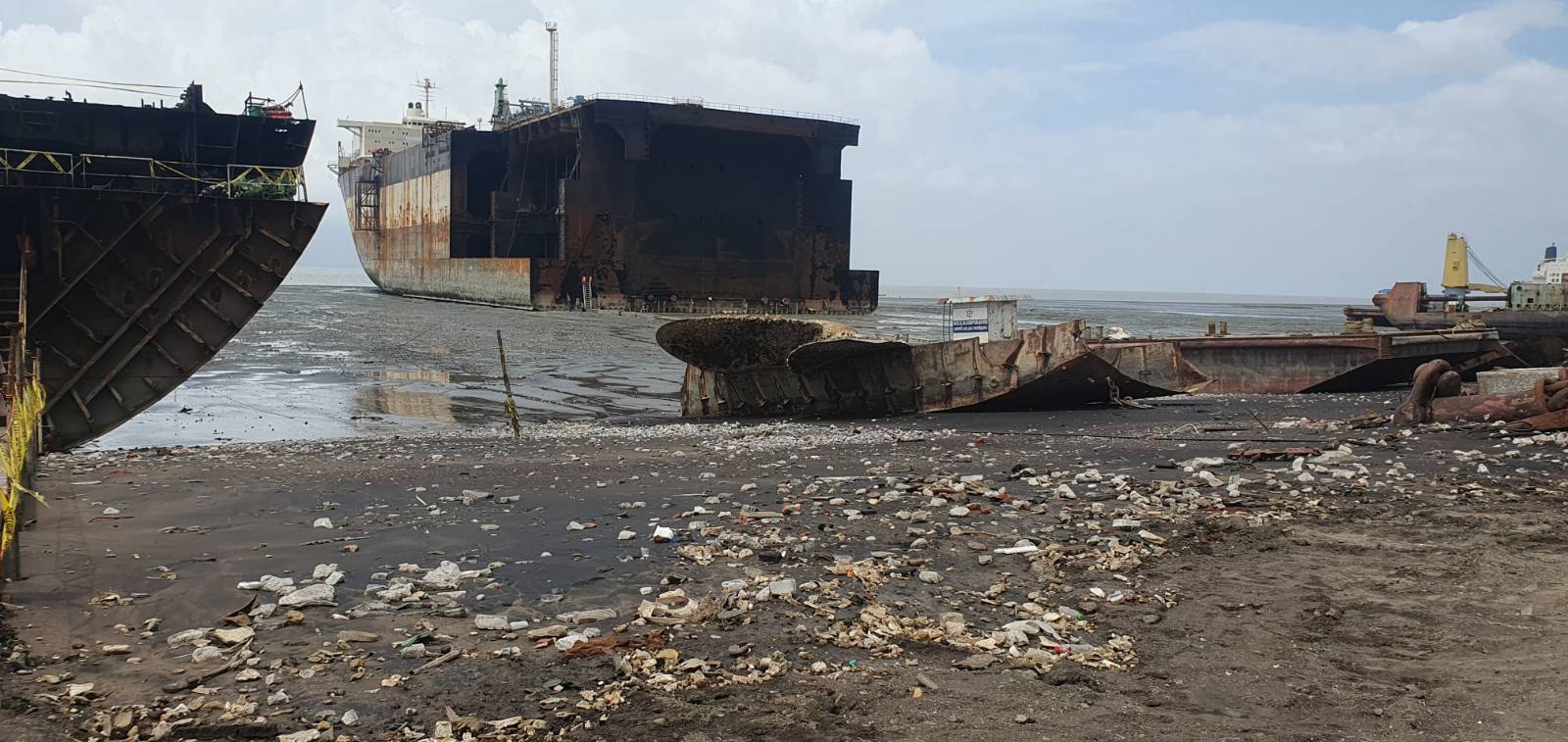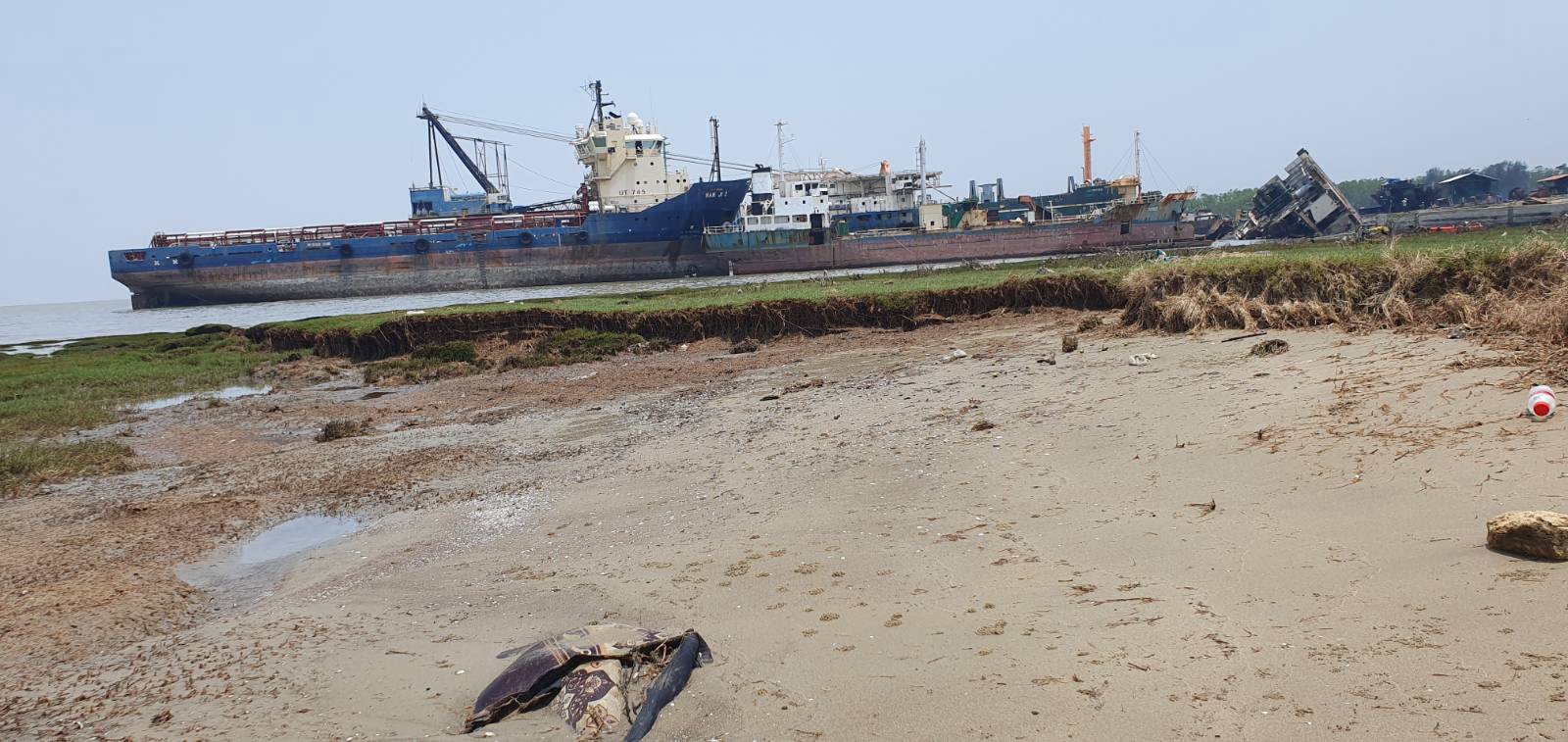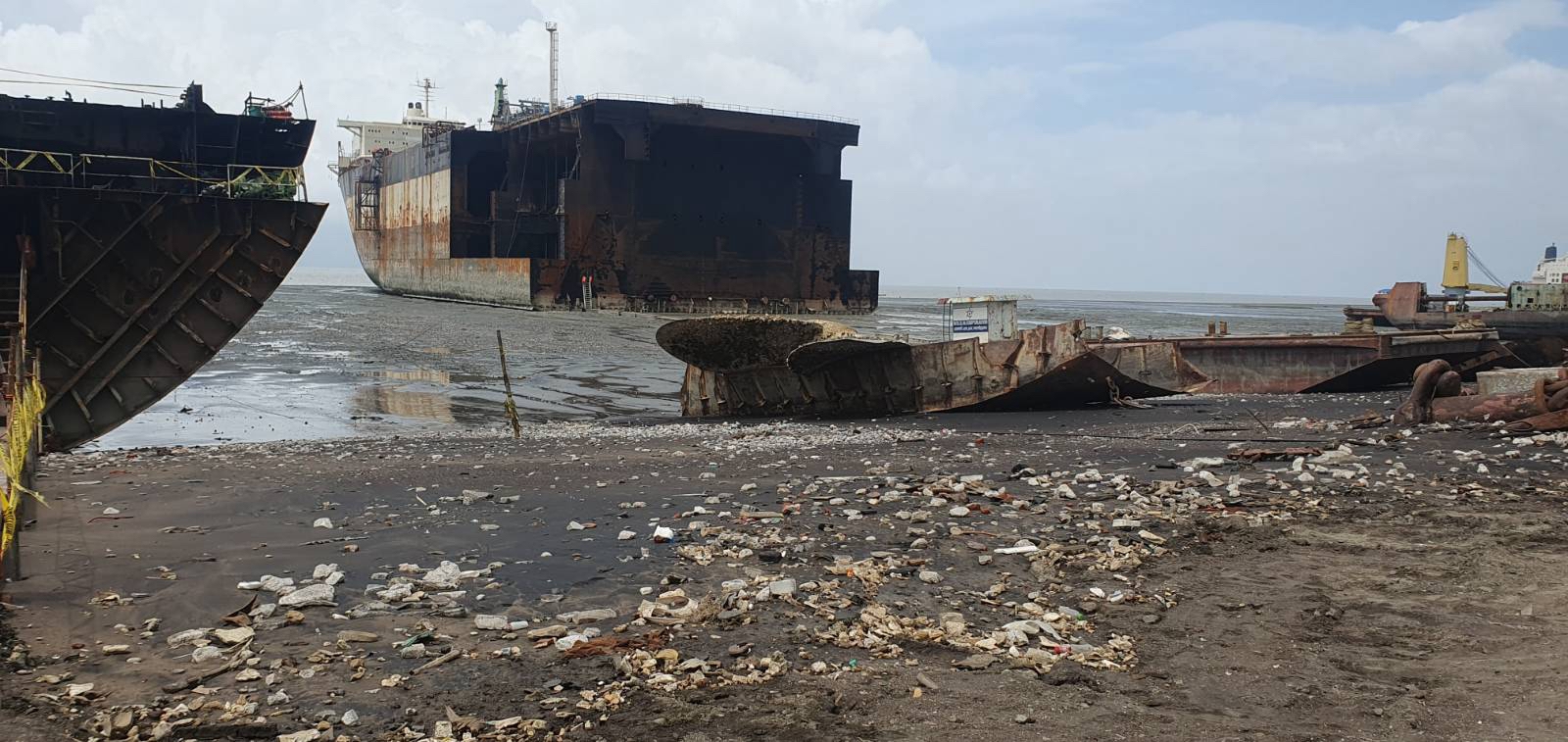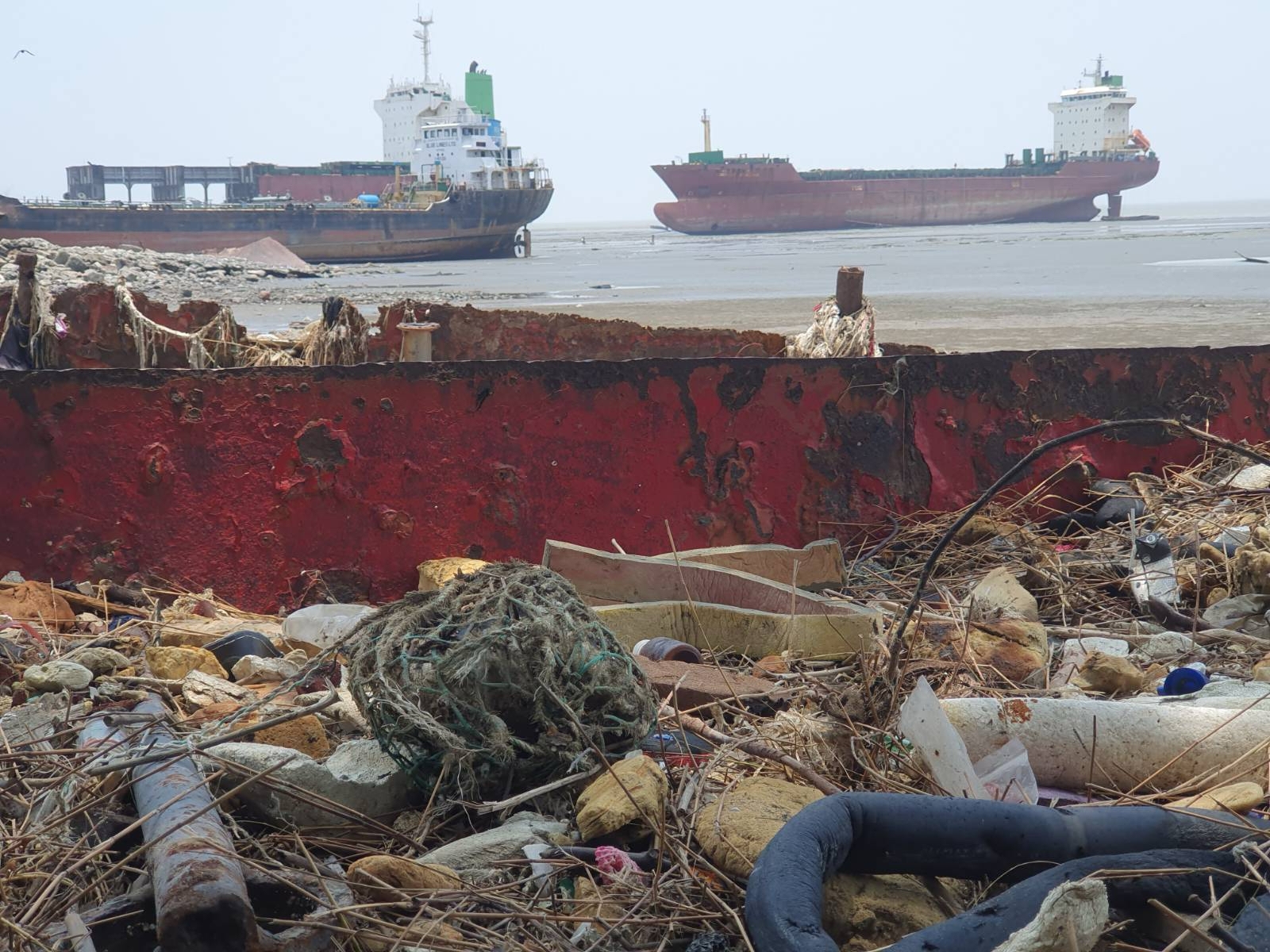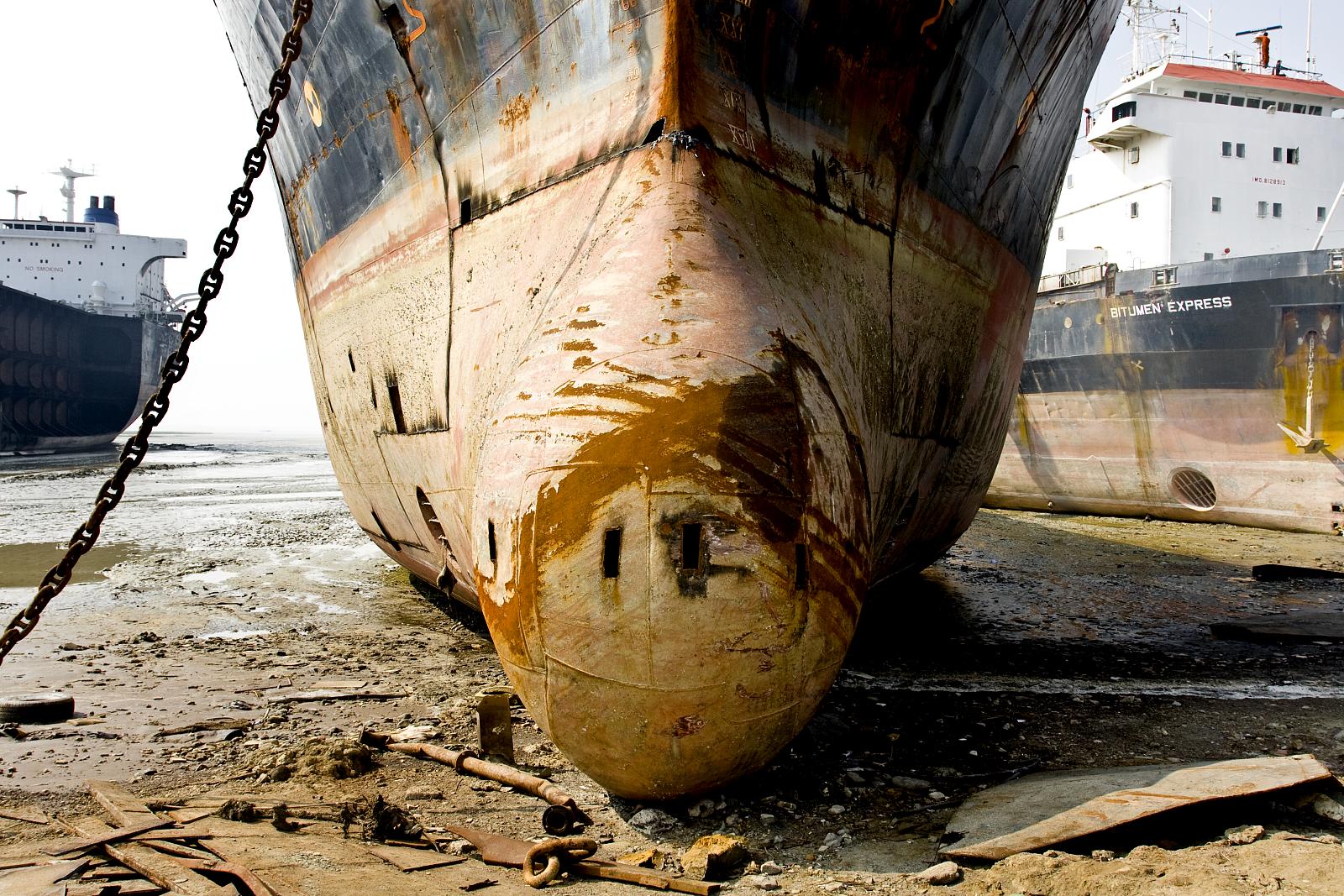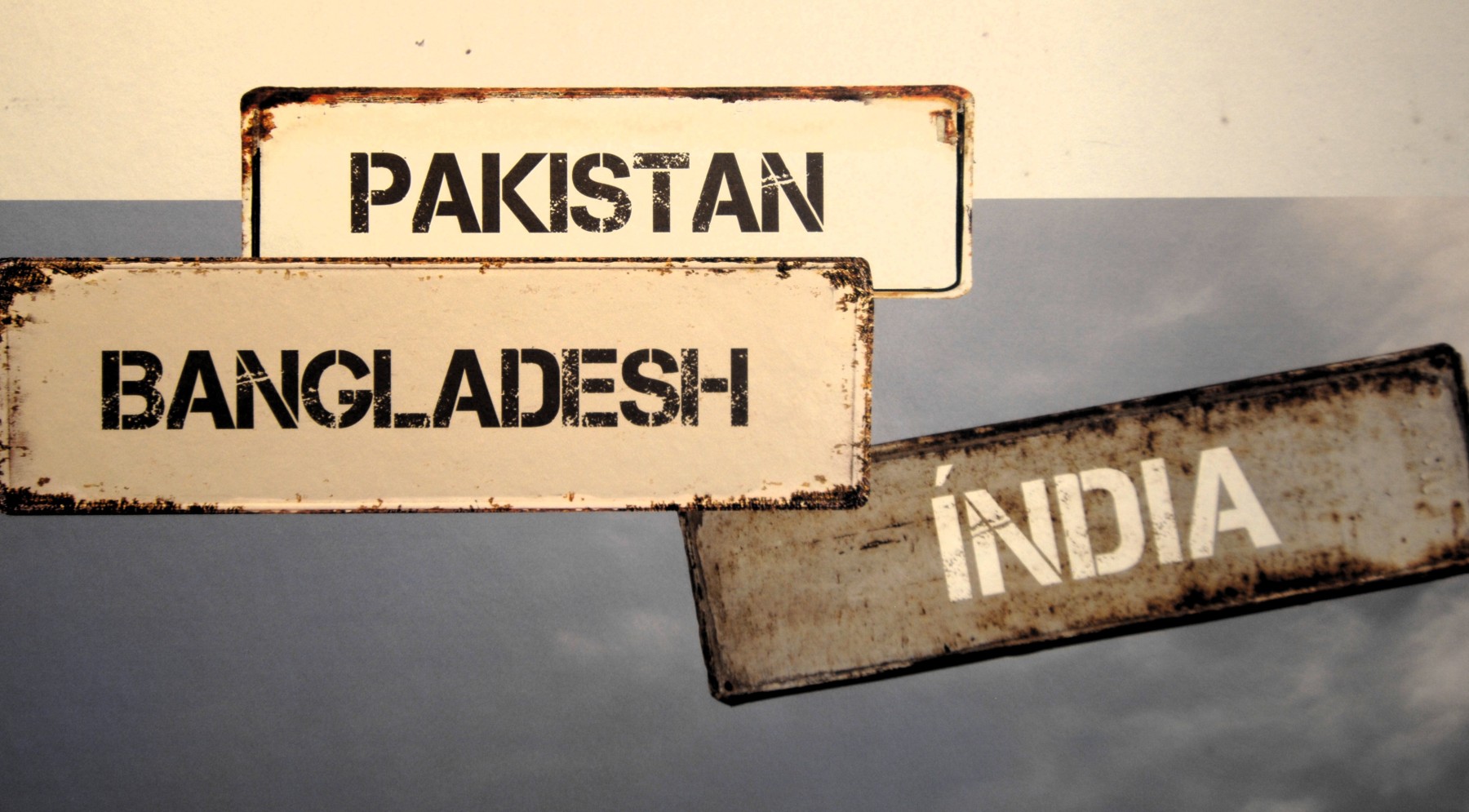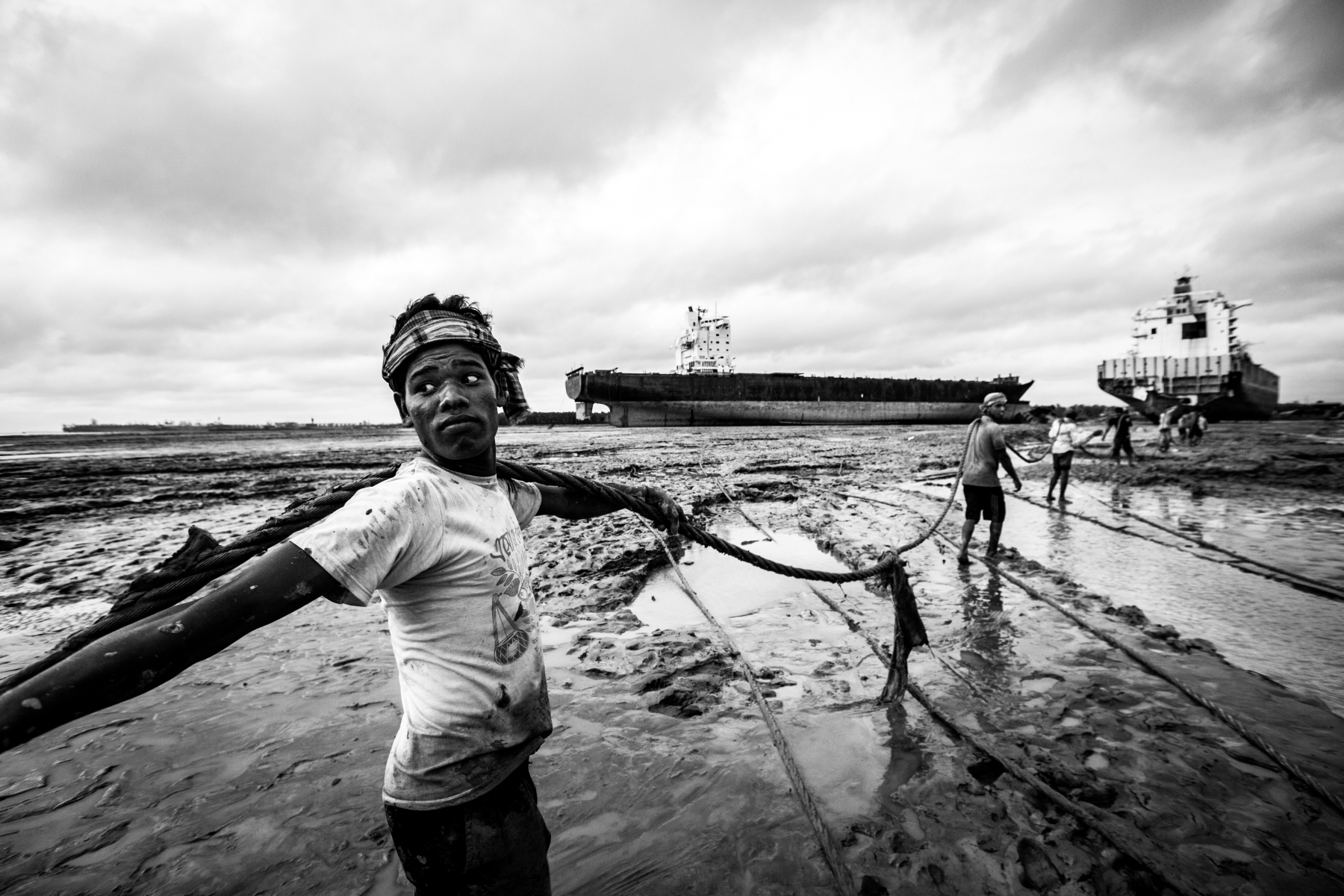
Every year, around 500 large ships, especially cargo ships but also tourist cruise ships, are no longer operational. Until 1970, they were scrapped in their places of origin, which are mostly European countries, Japan or the United States. But when labor and environmental regulations became stricter, they opted for countries with cheap labor and weaker legal frameworks. Currently, more than 70% of these large leviathans end up on the beaches of Alang-Sosiya in India, Chattogram in Bangladesh, Gadani in Pakistan and, to a lesser extent, in the Aliağa shipyards in Turkey.
Just type Sosiya, India into the Google Maps search engine to see an image from 2025 where, on 10 kilometers of beach, you can count up to 35 boats in various states of scrapping, as well as a couple of oil platforms. The practice is known as beaching (from the English word beach , ‘beach’) and consists of beaching the boat on the beach to dismantle it and break it into pieces.
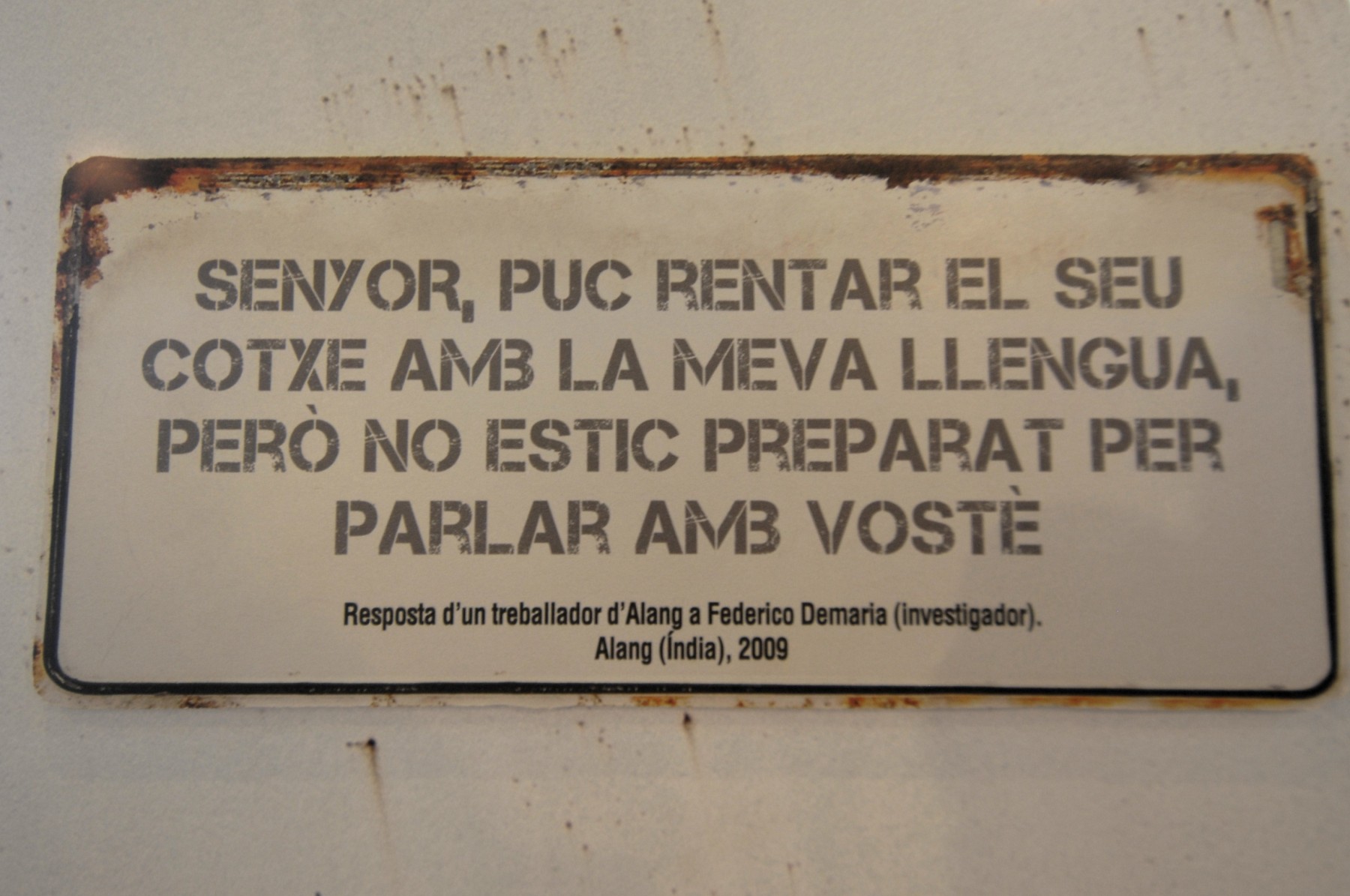
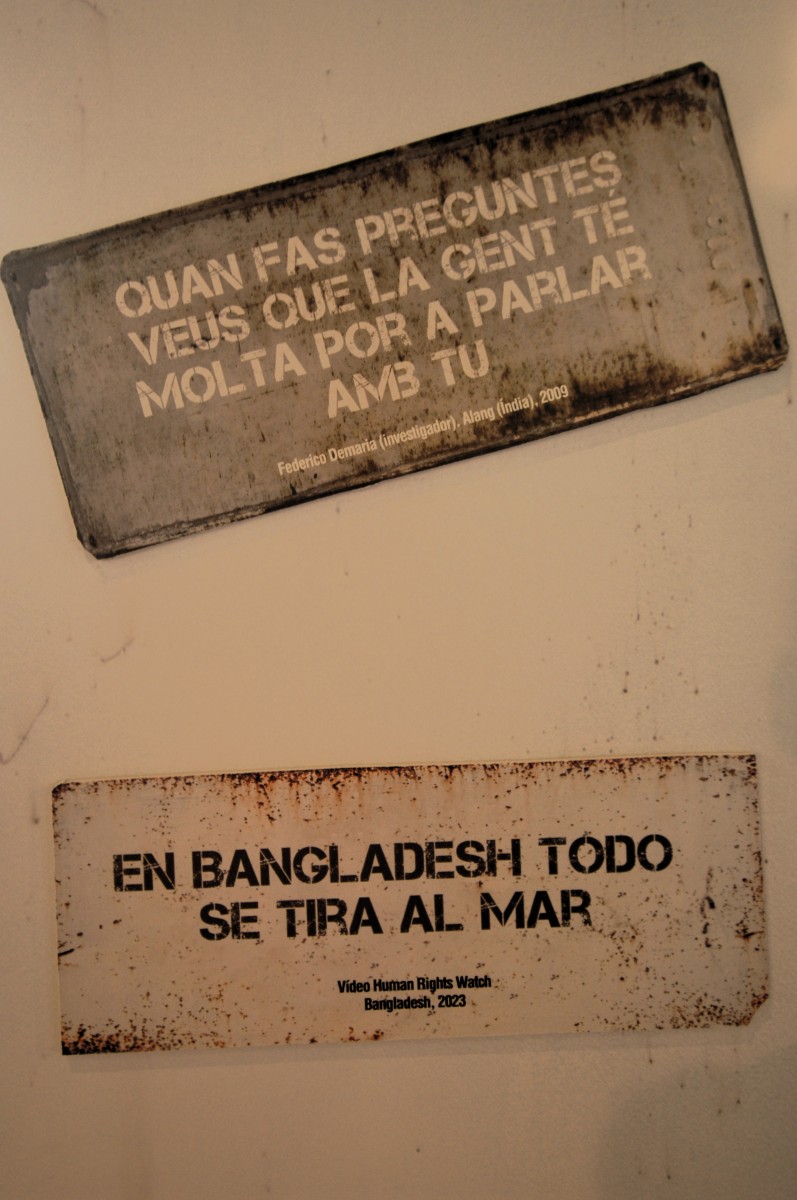
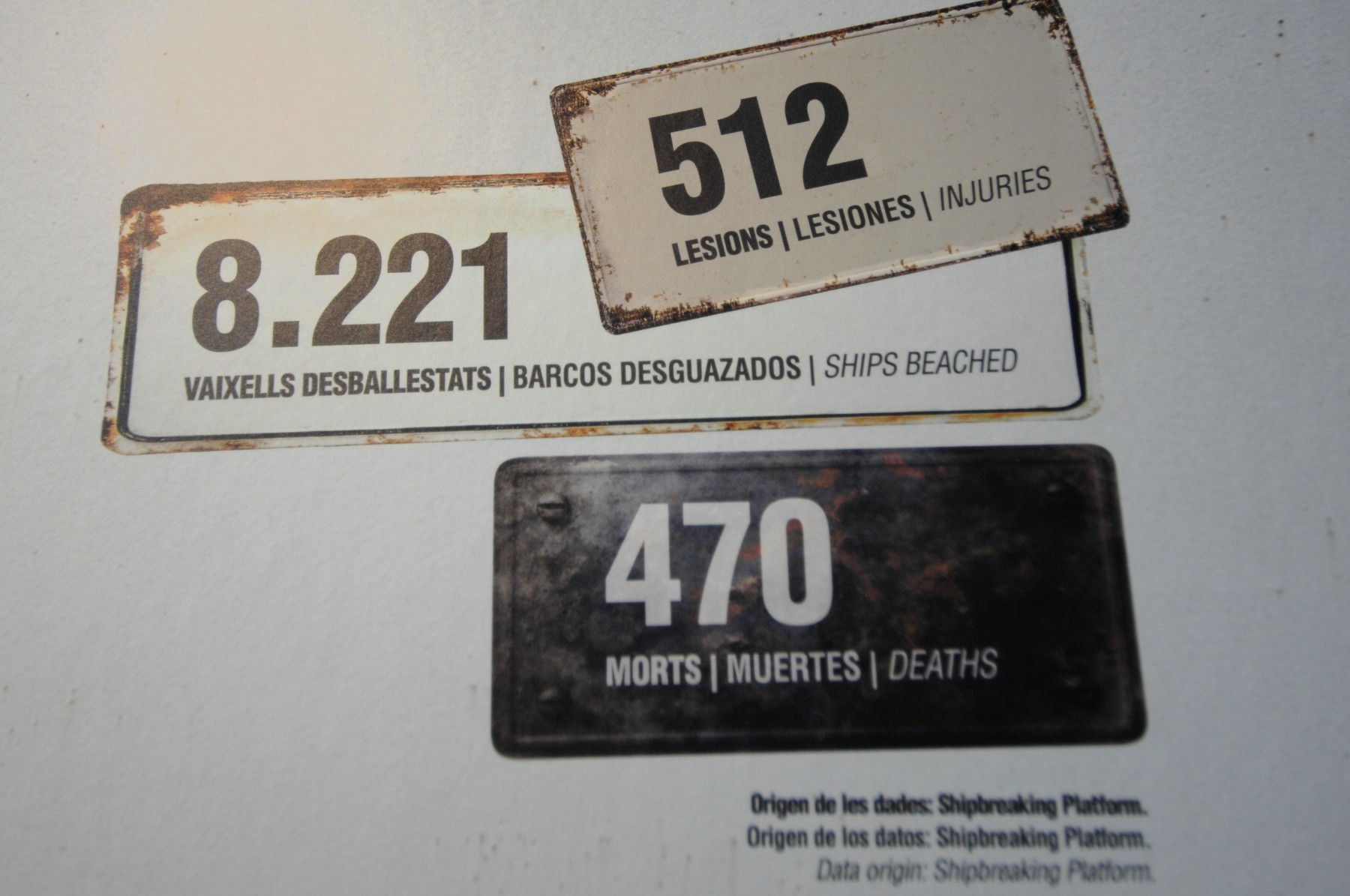
Even with the satellite photo, you can sense that the working conditions must be quite rudimentary and that environmental control must not be very strict. And yes, this is the reality: the human costs and environmental impacts are devastating. Workers, often exploited migrants, lose their lives and suffer injuries and illnesses due to unsafe working conditions and exposure to toxic substances. The risks include explosions, fires, collapses of large metal structures and handling toxic materials without adequate protective equipment and safety protocols. According to a 2019 study by the University of Chittagong, in Bangladesh, 13% of people engaged in this work are minors, who often work night shifts to avoid inspections. And according to the NGO Shipbreaking Platform , from 2009 to 2024 in Southeast Asia, 8,221 ships were scrapped and 470 deaths were recorded.
On the other hand, coastal ecosystems are devastated by toxic spills and other types of pollution, due to the lack of infrastructure to properly manage hazardous materials. Asbestos, heavy metals, mineral oil, tin, paints and electrical insulation are some of the common materials on ships that pose a serious risk to human health and the environment.
According to the International Labour Organization (ILO): “Ship dismantling has become a major occupational and environmental health problem in the world. It is one of the most dangerous professions, with unacceptably high levels of work-related deaths, injuries and illnesses.”
Flag of convenience
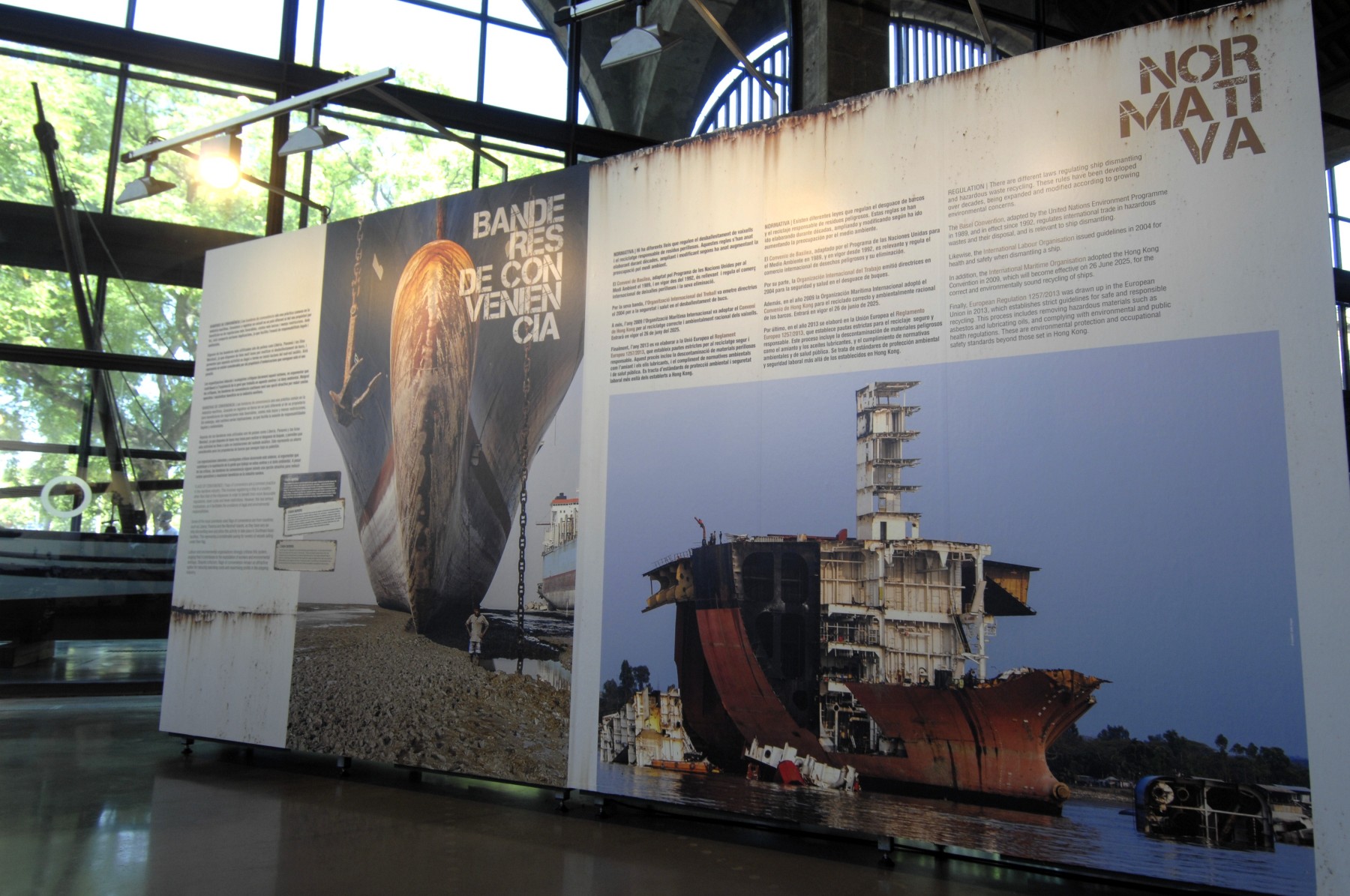
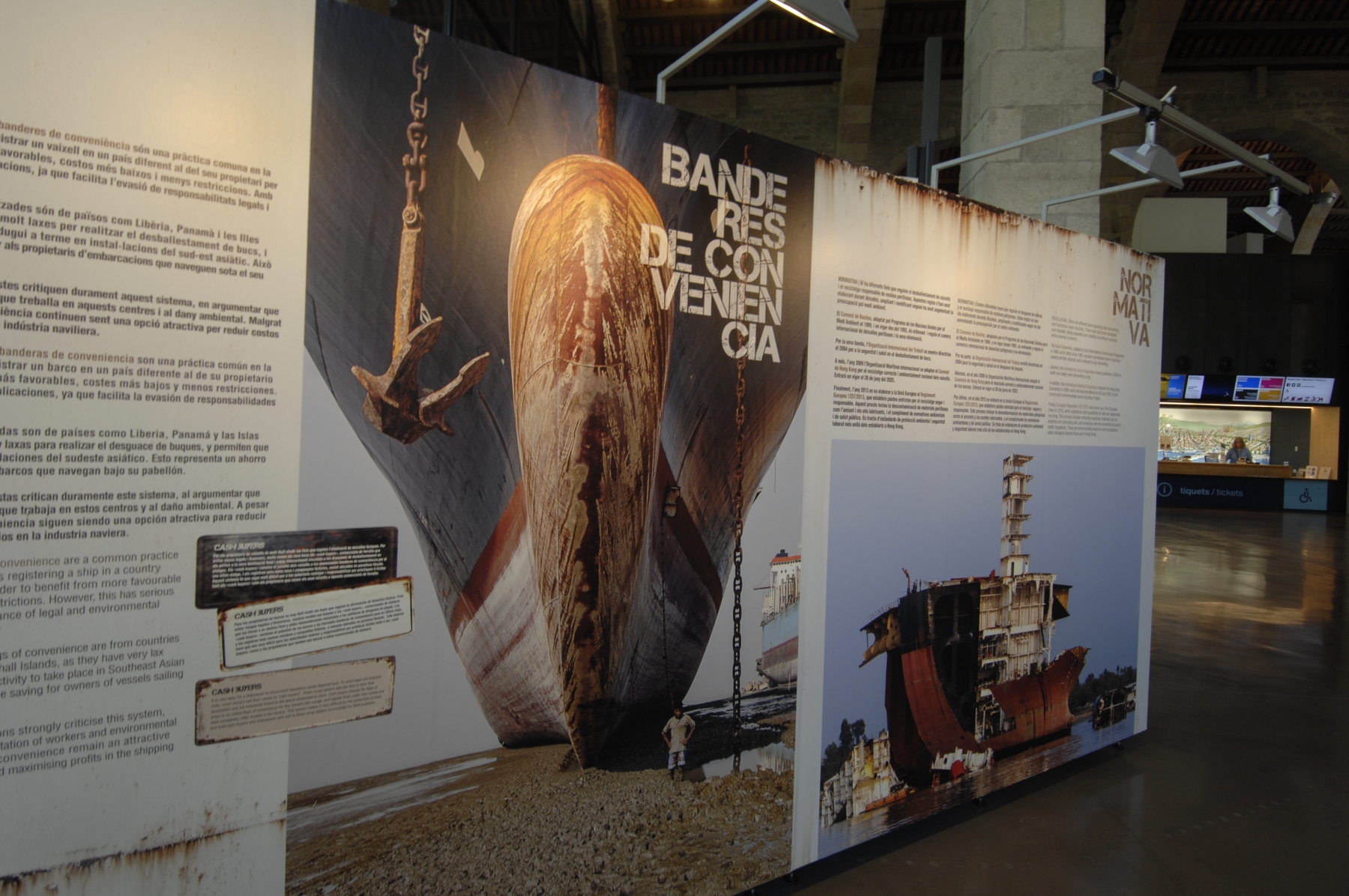
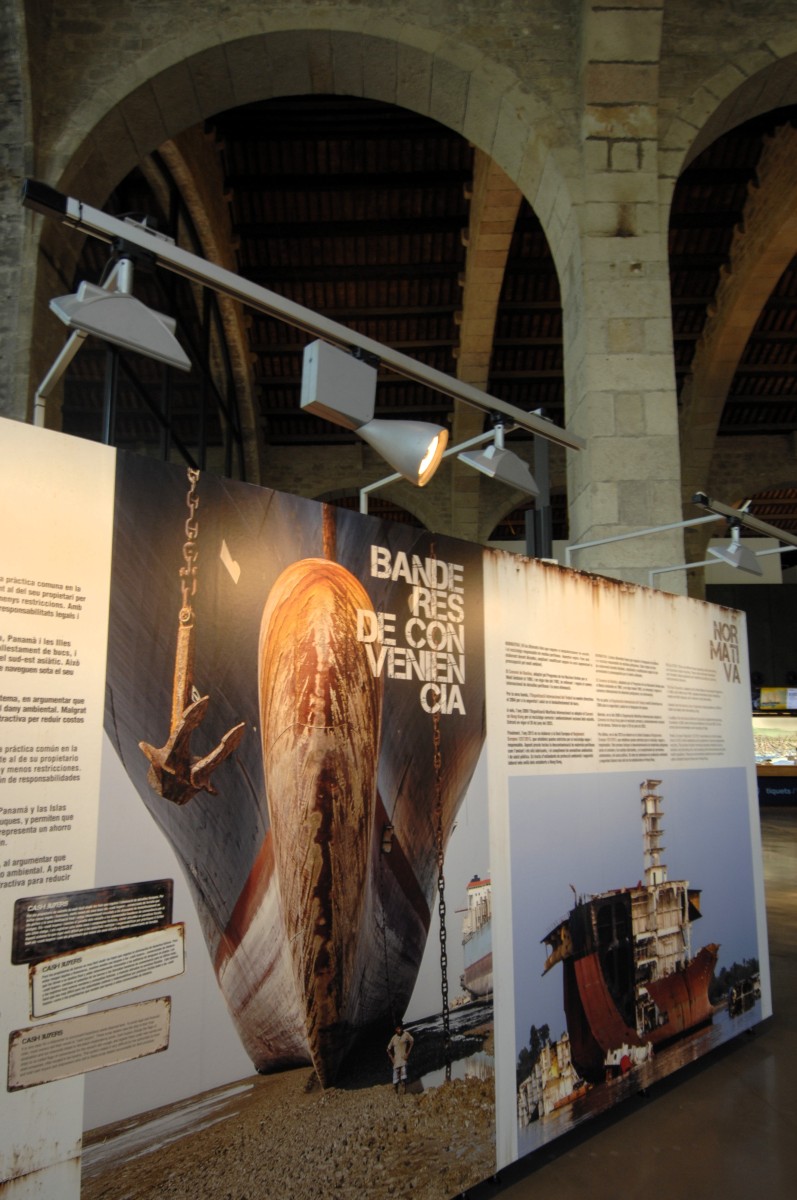
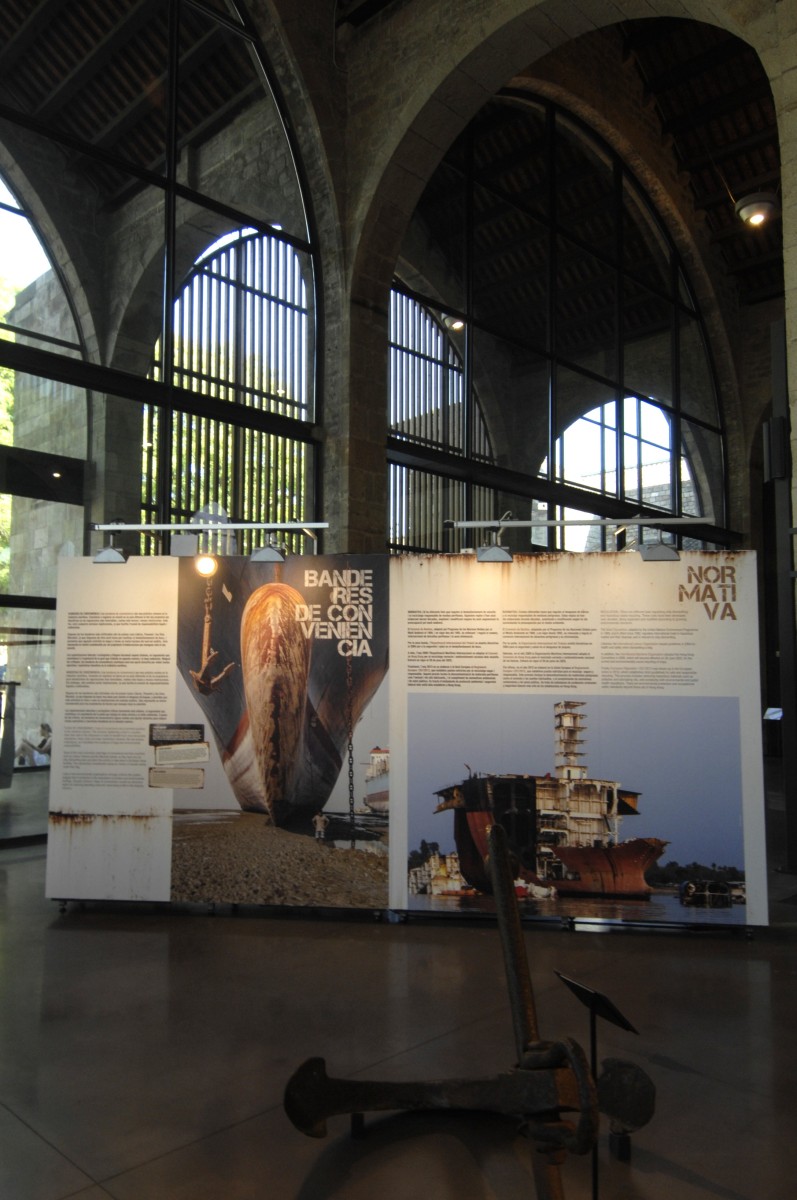
When a ship reaches the end of its useful life, the first step taken by shipping companies is usually to change the flag to one of convenience , for strategic, legal and, above all, economic reasons. The Comoros, Palau, Panama, Togo and Saint Kitts and Nevis are some of the small countries that are often chosen. In this way, they are no longer subject to the labor and environmental regulations of the countries of origin, which in the case of Europe, North America and Japan are particularly strict. The European Union regulations (Waste Shipment and Ship Recycling Regulations), for example, prohibit the export of toxic waste to countries outside the OECD and the sale of European ships to shipyards with dangerous conditions. These prohibitions cease to have effect when the ship changes flag.
The next step is to sell the ship, now free of the legal obligations of the country of origin, to shipyards in South Asia, often through an intermediary. These shipyards pay a much better price than European ones, as they can scrap it at a much lower cost and then sell the steel and other recoverable materials.
In many cases, together with the change of flag, the legal ownership of the ship is also changed to a fictitious company located in a country with lax regulations (Dubai, Panama…), thus avoiding liability in the event of any work accident or environmental damage during scrapping.
How to avoid it
The solution is seemingly simple: it requires shipowners to sell their ships to authorized shipyards that invest in safety and respect for the environment. Making ship scrapping a safe and sustainable activity starts with eliminating the practice of beaching and replacing it with dry docks with technology for clean and safe scrapping. It’s that simple and that complicated.
A first step in the right direction would be to strictly restrict the reflagging of ships. The design of new ships, minimizing the use of hazardous materials, is also important. The Ship Recycling Lab event, organized by the NGO Shipbreaking Platform , promotes the exchange of knowledge and technologies for proper scrapping.
The good news is that on June 26, the Hong Kong Convention to ensure the safe and environmentally sound recycling of ships entered into force, with the aim of regulating scrapping in order to protect the health of workers and the environment.
In any case, the Convention is in a phase of progressive implementation and in the short term it will not eliminate scrapping in Southeast Asia, although in principle it will be done under stricter controls.