The PortADa project (Port Arrivals Data. Automatic data collection for a large-scale comparative history of 19th century shipping: a digital humanities approach to maritime heritage) was launched in 2023 with funding from the European Union through the “Marie Skłodowska-Curie Actions” program of the European Research Executive Agency, which will run until 2027.
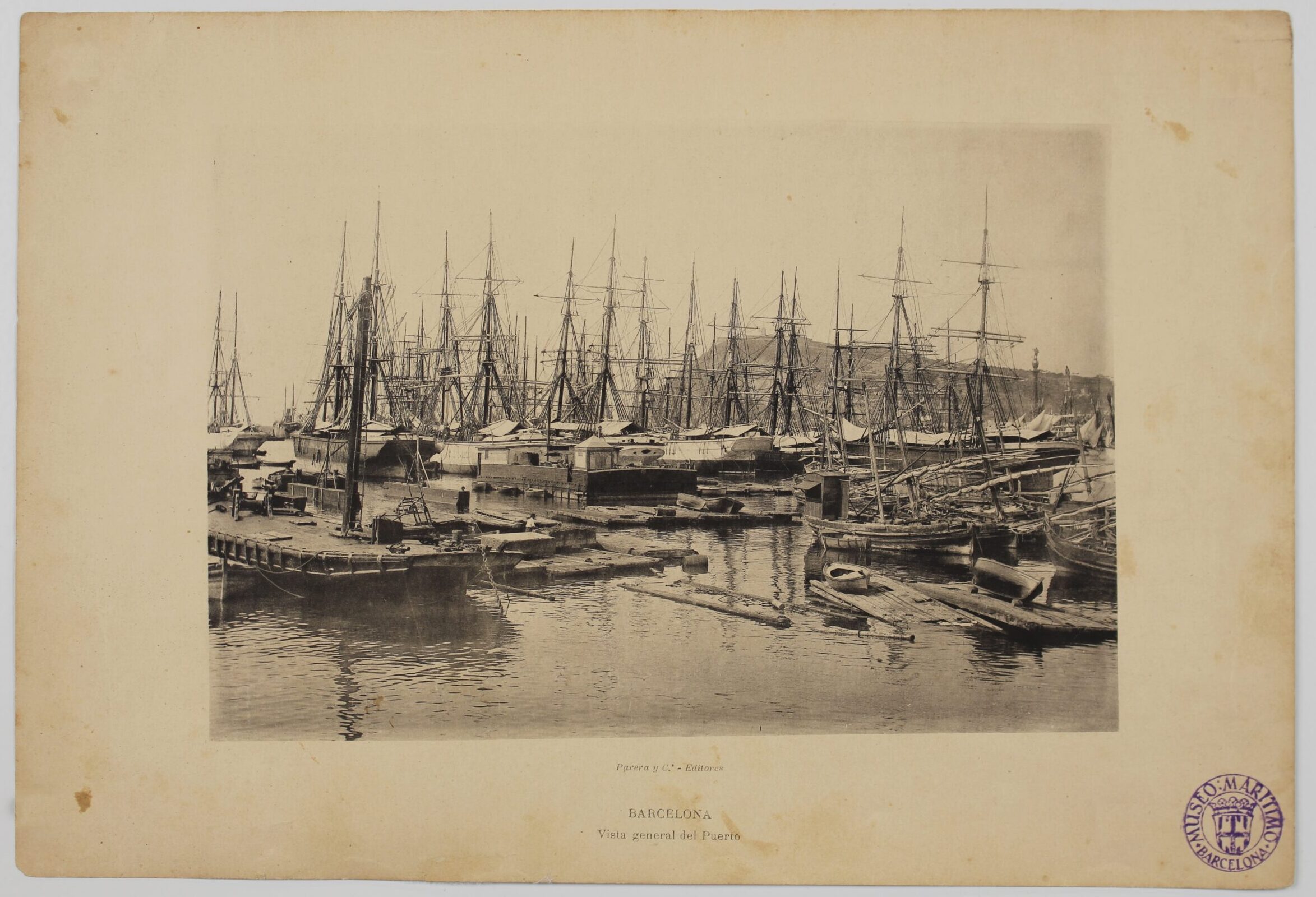
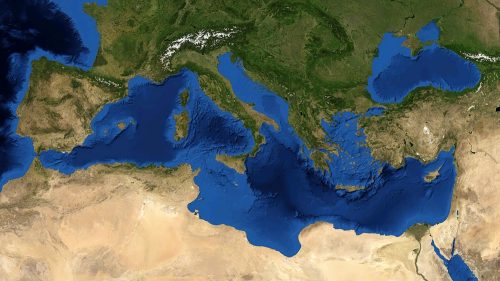
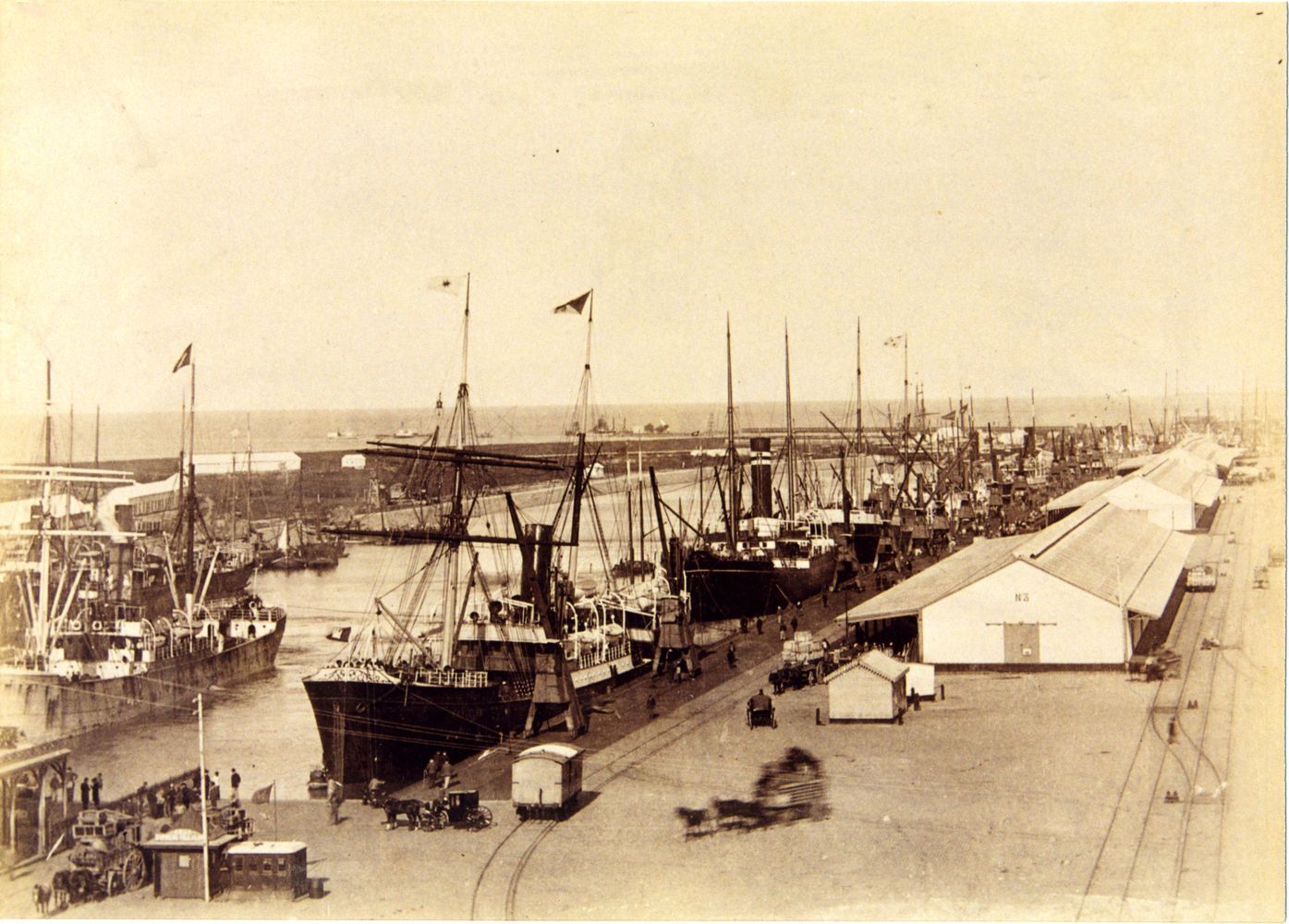
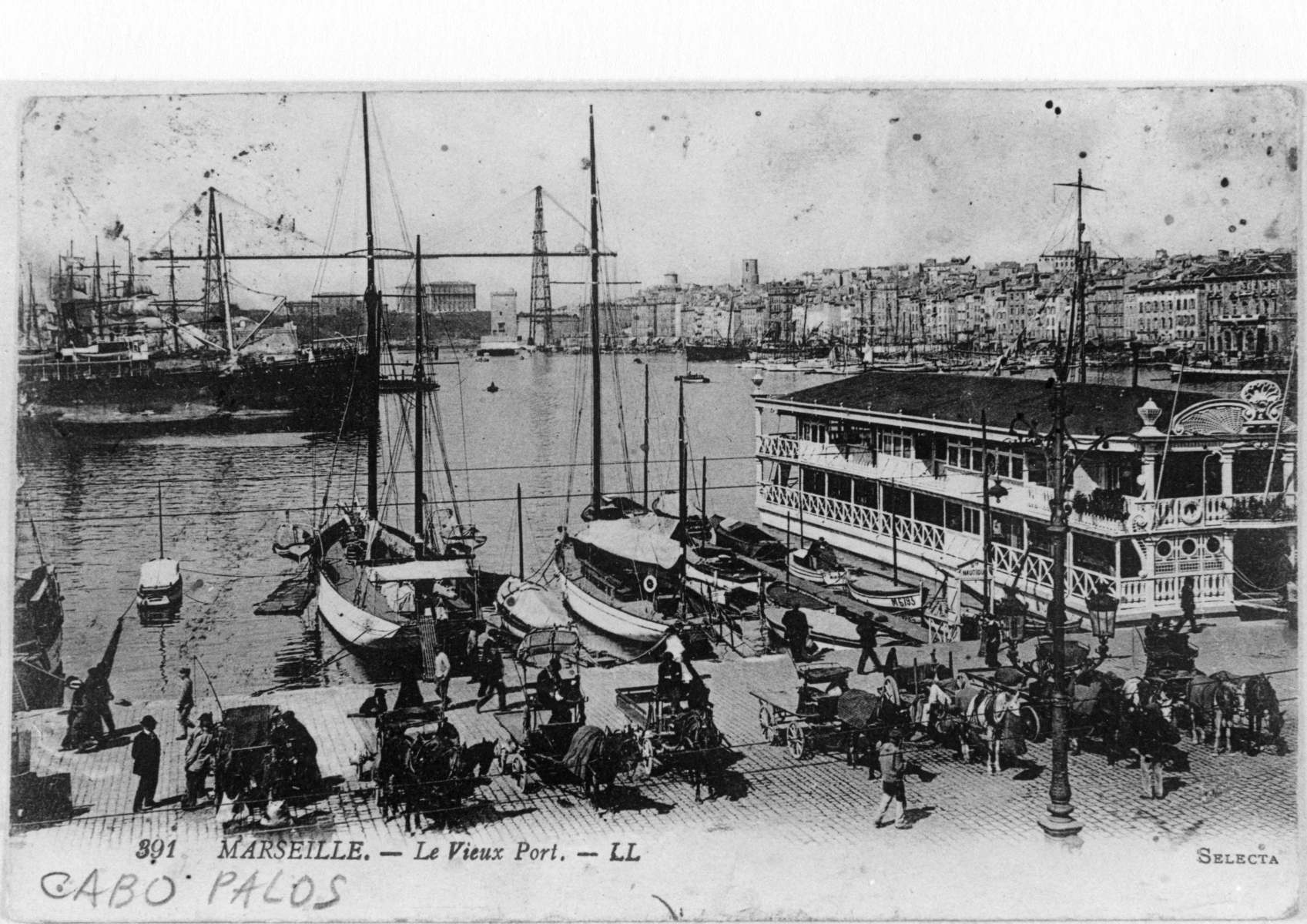
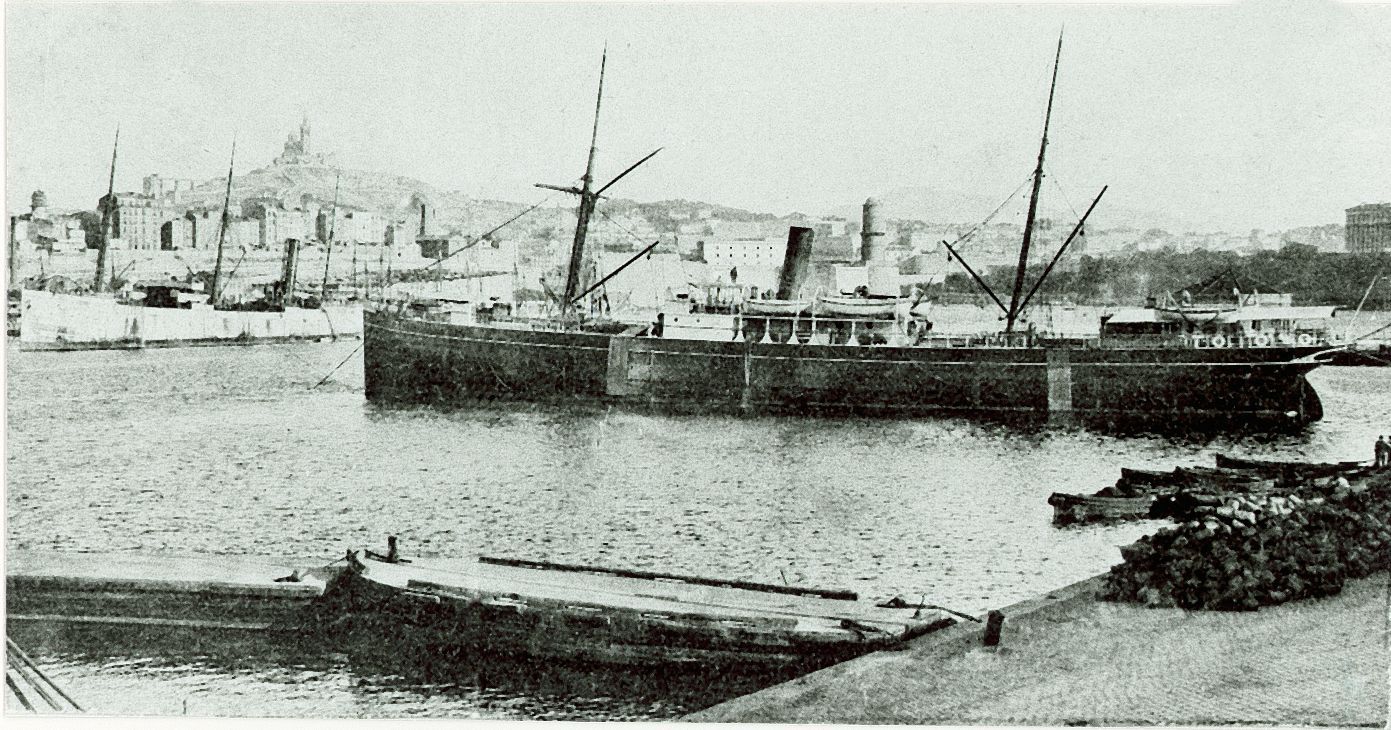
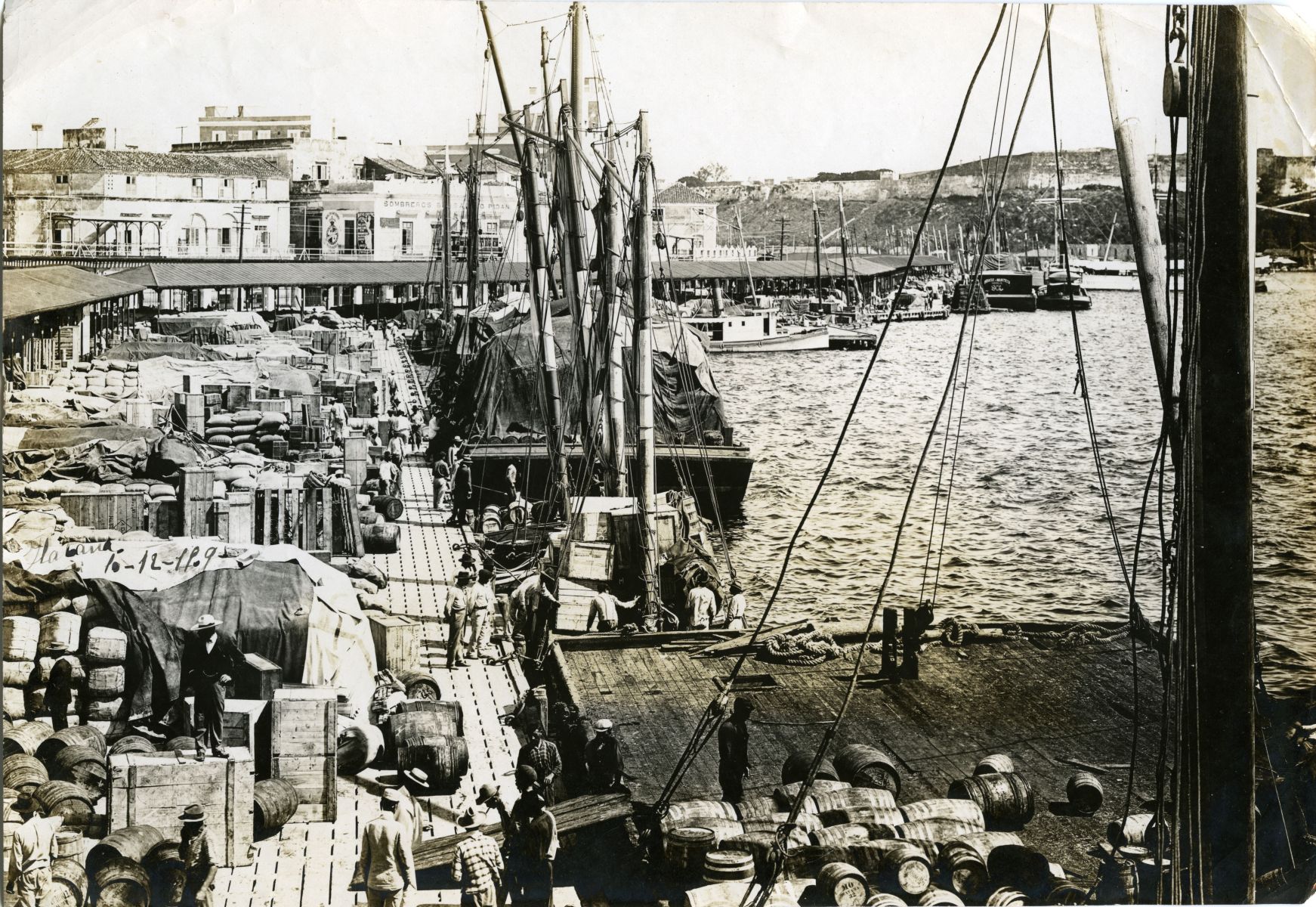
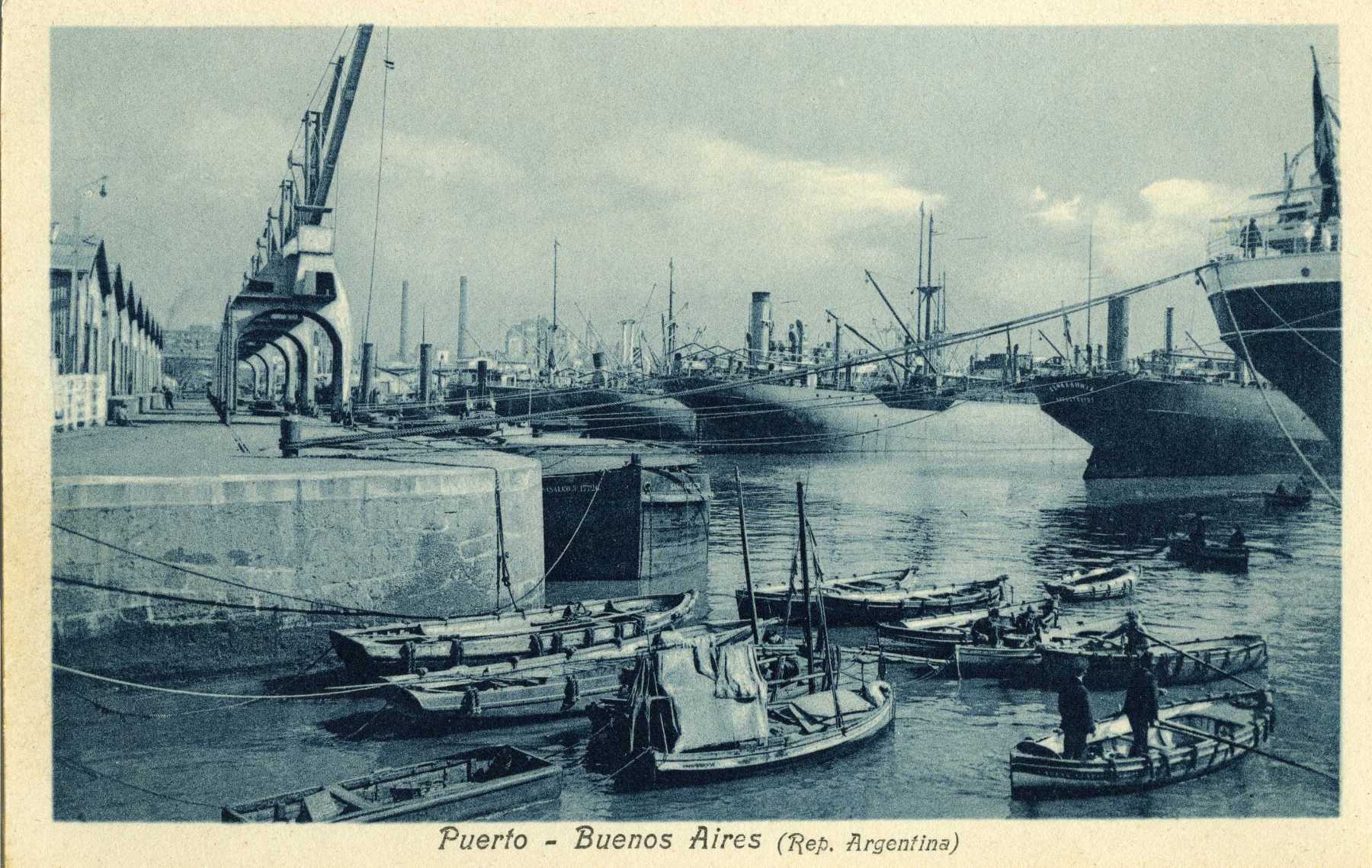
For the first time, four teams, made up of specialists in maritime history and computer science applied to the humanities, are working together to advance the knowledge of maritime traffic in the ports of Barcelona, Marseille, Buenos Aires and Havana between 1850 and 1914, a period that coincides with the transition from sailing to the widespread use of transport in mechanically propelled ships.
One project, two goals
During the transition from sailing to steam in the 19th century, port cities were the scene of flourishing maritime commercial activity and the creation of networks that extended across the planet. In these ports, the arrival of ships represented an economic, cultural and political event, engaging not only the city itself but also a network that extended to the hinterland through local and regional traffic.
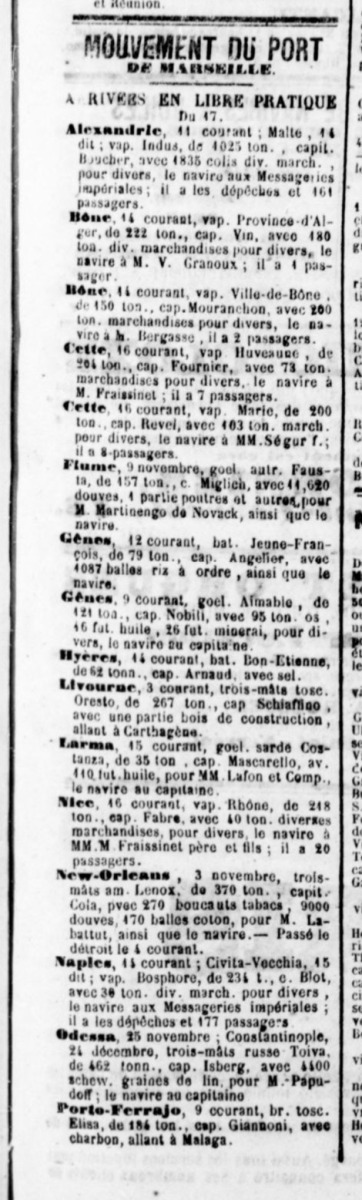
News about ship arrivals from distant ports and all the port movements that this entailed thus received preferential attention in the local press in each port.
The PortADa project focuses on four of the most important ports of the time (Barcelona, Marseille, Buenos Aires and Havana) with a two-fold objective. The first goal was to build a database that compiles the information provided by the news in the local press about the arrivals of ships at these ports which were published in the local newspapers of these cities. After clearing up and organizing the information, this will enable new studies on economic, social and cultural issues.
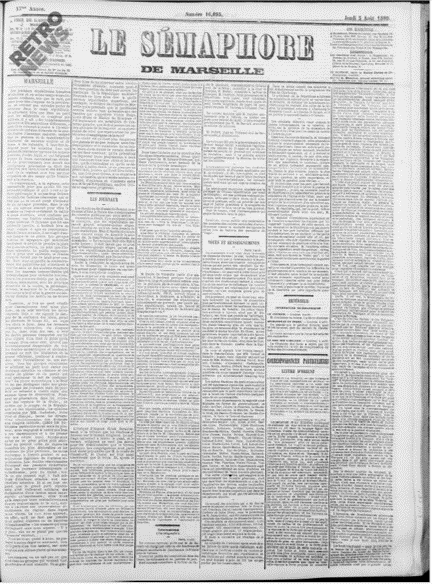
To achieve this, the project members work with several publications of the time (Diari de Barcelona, Le Sémaphore de Marseille, La Gaceta Mercantil, the weekly British Packet and Argentine News, and the newspapers El Nacional and La Prensa, the latter four all publications from Buenos Aires, and, finally, the Diario de la Marina, from Havana). From these sources, researchers extract the news published about the arrival of ships at these ports. This task, which had always been done manually, is handled automatically in this project, which makes it possible to process large amounts of data.
The second objective entails the creation of mixed work teams, formed by experts specialized in maritime history and digital humanities, who will jointly address the challenges and search for solutions to the problems that come up during the course of the work to jointly seek solutions to the problems that they have encountered when handling these sources of information. This “partnership” allows us to do away with old clichés (“historians and computer scientists will never understand each other”) and above all it opens the doors to establishing stable collaborations and making it possible for other institutions to follow PortADa’s example.
Innovative techniques
PortADa provides a fundamental tool to better understand the evolution of maritime traffic in each port as well as their role in the international division of labor. In this way, international trade between ports can be reconstructed with a nearly unprecedented level of detail. At the same time, researchers can also pay attention to cabotage traffic, an activity that has not received much attention from the academic world. This way, it will be possible to study the connection of local commercial networks and their role in the circulation of goods more easily.
The news about ship arrivals not only contains data that is relevant only for economic and commercial history. The details allow us to broaden our focus to other disciplines; through the types of ships we can trace technological changes and the transition from sailing to steam, while the analysis of the names of the ships’ captains and skippers allows us to reconstruct their lives and career paths and, on a large scale, study the social mobility of the group and how it was affected by technological change.
PortADa uses computer tools that are readily available and develops innovative technologies to make it possible to automatically transcribe the large amount of data that has been obtained from the documentary sources and to compile this information into the database that is being created.
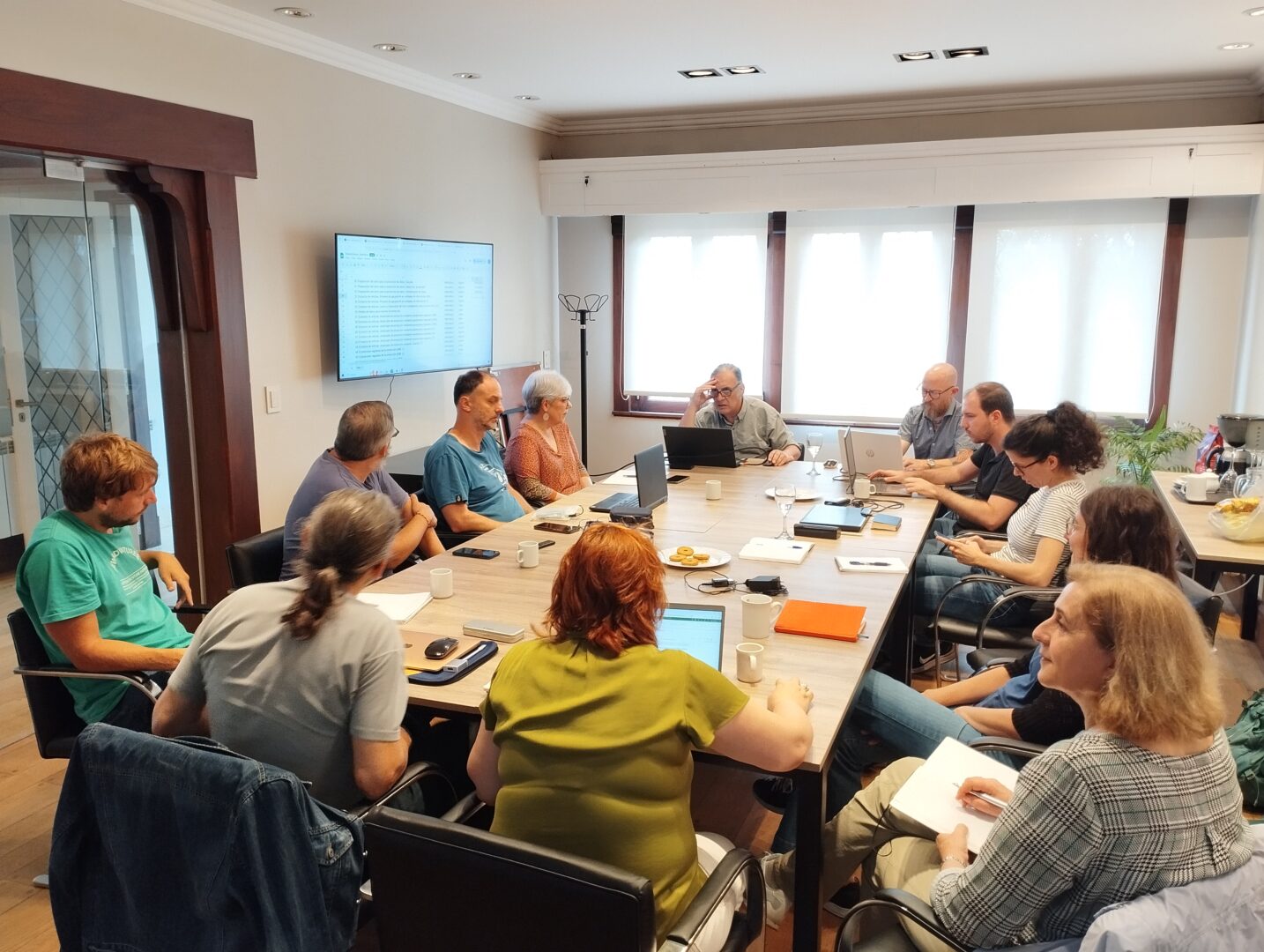
The great novelty of PortADa, however, does not lie in technological issues but in something more “prosaic”, the way of doing things. The project has adopted an approach that entails creating four mixed teams that work on the ports under study which meet once a year for two months in summer schools. These sessions represent the cornerstone of the project that makes it possible to share advances, resolve difficulties and transmit knowledge about the historical and computer aspects related to the research.
The project achieves each of its objectives through these summer schools: the formation of a team of digital humanists who are striving to work on a stable, long-term project and become a point of reference for similar initiatives.
In addition to adopting the typical practices of open science, the project methodology is based on the design of a modular system of software elements, seeking to make it possible to apply them at a later time to other documentary sources with similar characteristics and issues.
For data storage, the project will take advantage of the resources available at the University of Barcelona, which has an institutional repository accessible to anyone, with several collections, including the database, as well as the methodological procedure to generate it and also the first studies that will analyze this data.
The resulting database will be available under an open license so that other researchers, as well as anyone interested from outside academia, can explore its content. The plans are to create an open database that takes into account various profiles of potential users (from experts with extensive technological knowledge to non-experts), while ensuring compatibility with Europeana standards.
In technological terms, the project provides the automatic transcription of existing and newly digitized digital resources, using procedures and software that can be replicated for other ports, and which can be expanded chronologically, with the aim of contributing to the overall scientific goal of reconstructing global maritime traffic for the longest possible period of time. In some cases, digitalization will not only make the operations envisaged in this project possible, but may also act as a means of preserving the digitalized material and ensuring that it is accessible.
PortADa proposes the use of existing IT tools and the development of new ones that enable the processing of the large amount of data collected. Transcription is done through automated information extraction, both by applying processes based on common expressions —when the data always appears in the news in the same order— and by using natural language processing tools and machine learning techniques for less structured texts.