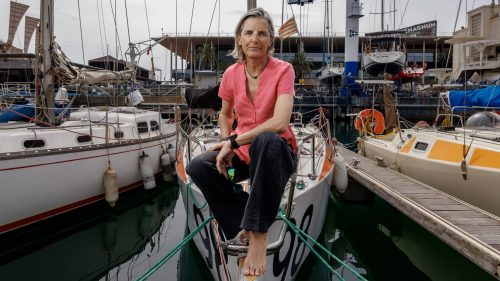
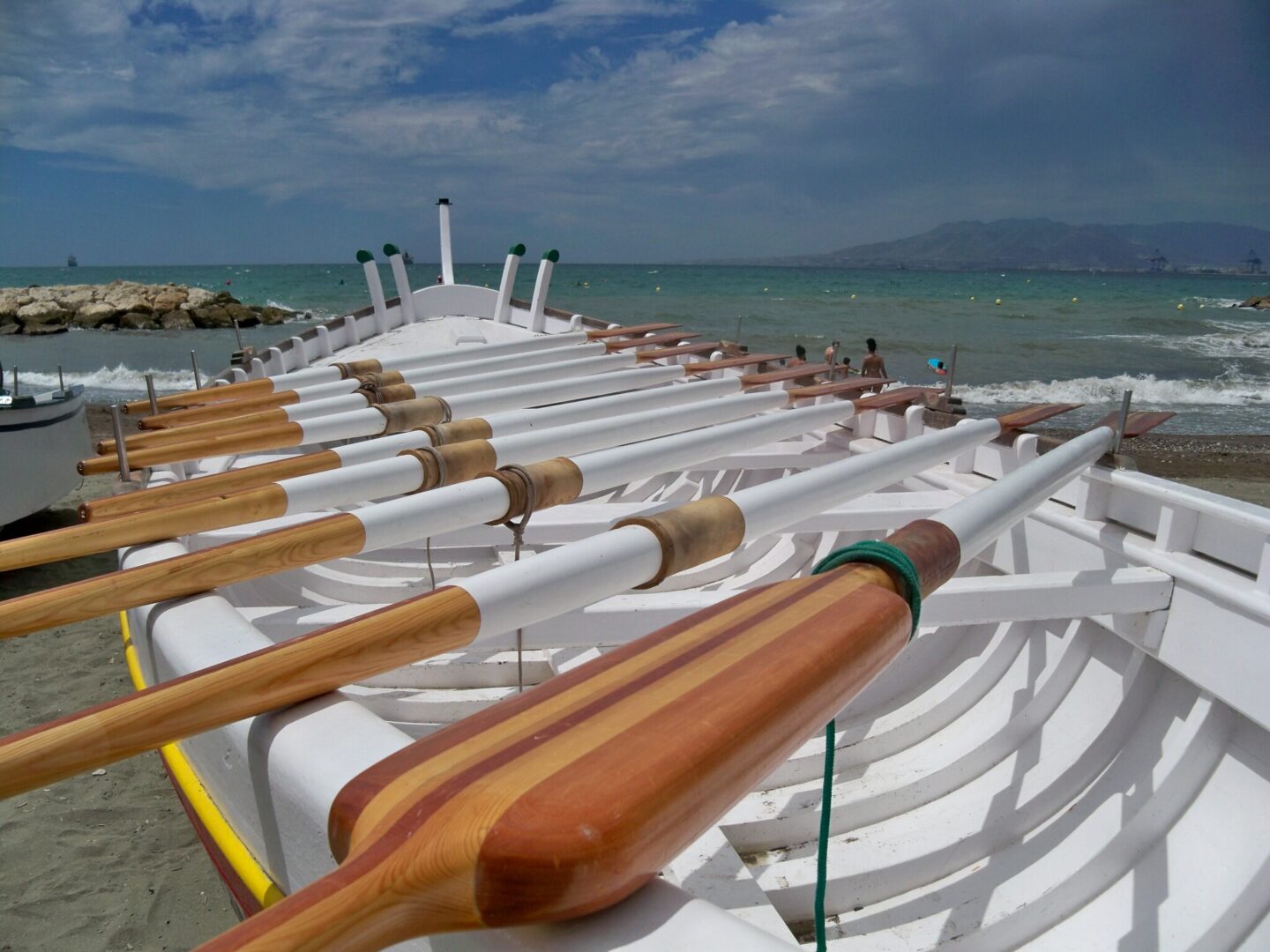
The María del Carmen, the traditional jábega fishing boat from Malaga, from El Palo, is not just a boat; it’s not just wooden logs joined together by the savvy hands of master boatmen that has been tossed around by the sea. It is history; it represents the souls who rowed, fished and suffered the sea waves crashing against the ship. It was home to the songs of the jabegotes, or fishermen, while the oars plunged into the water, men of the sea, marengos, or sailors, belonging to a family that spawned the nickname: the Rosillas.
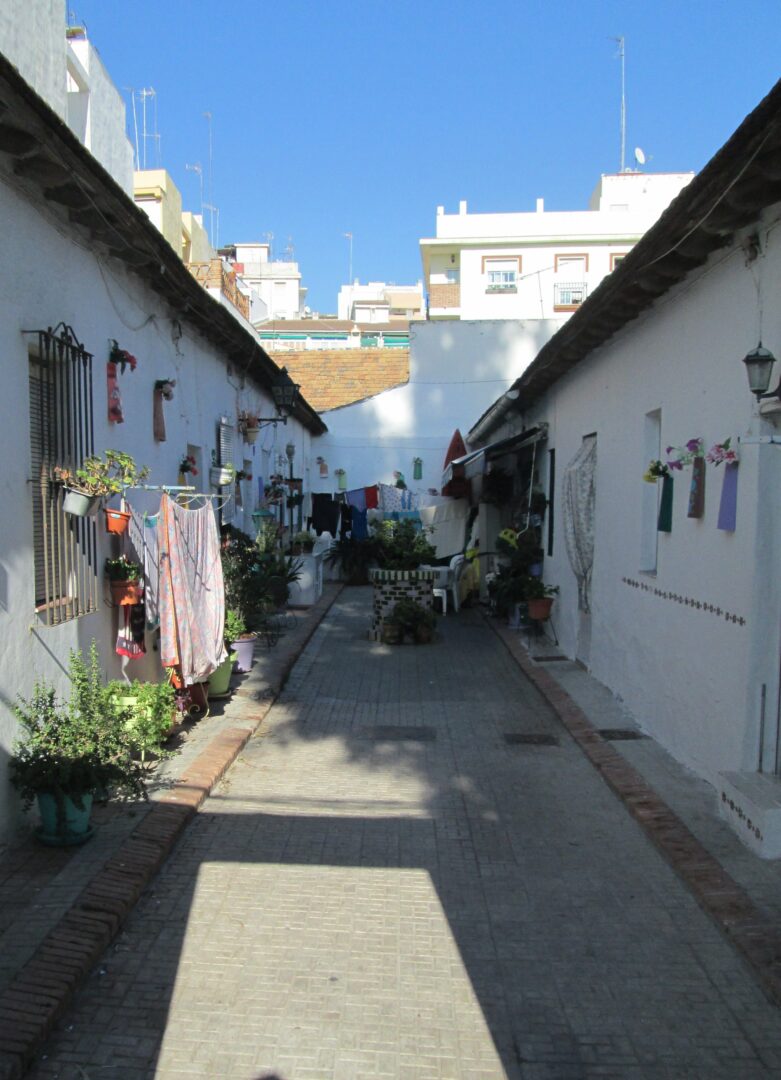
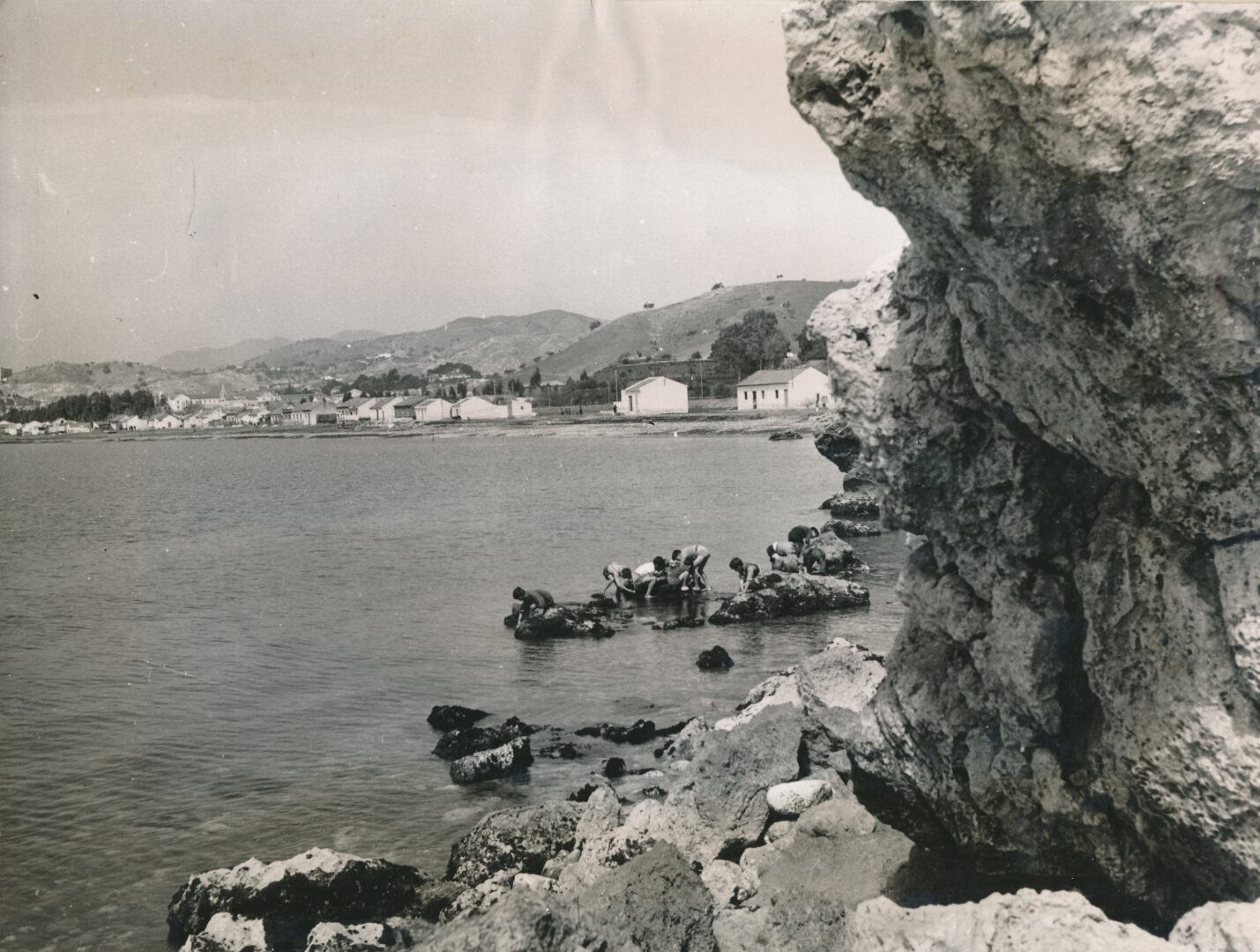
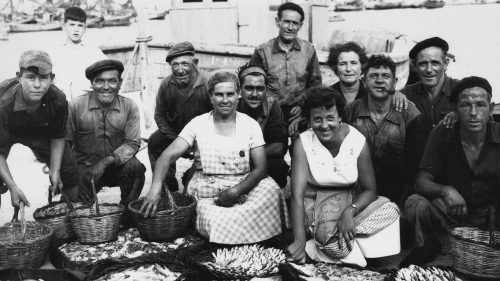
The rebalaje (swash) was the home of the men and women of the beach, where their lives revolved around the sea, fishing, and canned fish; clinging to the saltpeter, to the breeze, to the waves, to their boats. They were known by many names: marengos: jabegotes, sotarraeces, gardones, malleras, cenacheros, caulfateadores; and they lived right there on the shore, just like the boats, jábegas and sardinals. There, on the beaches of El Palo, my ancestors are still anchored to the rebalaje of my memory.
My great-grandfather José Rosa, the Rosilla
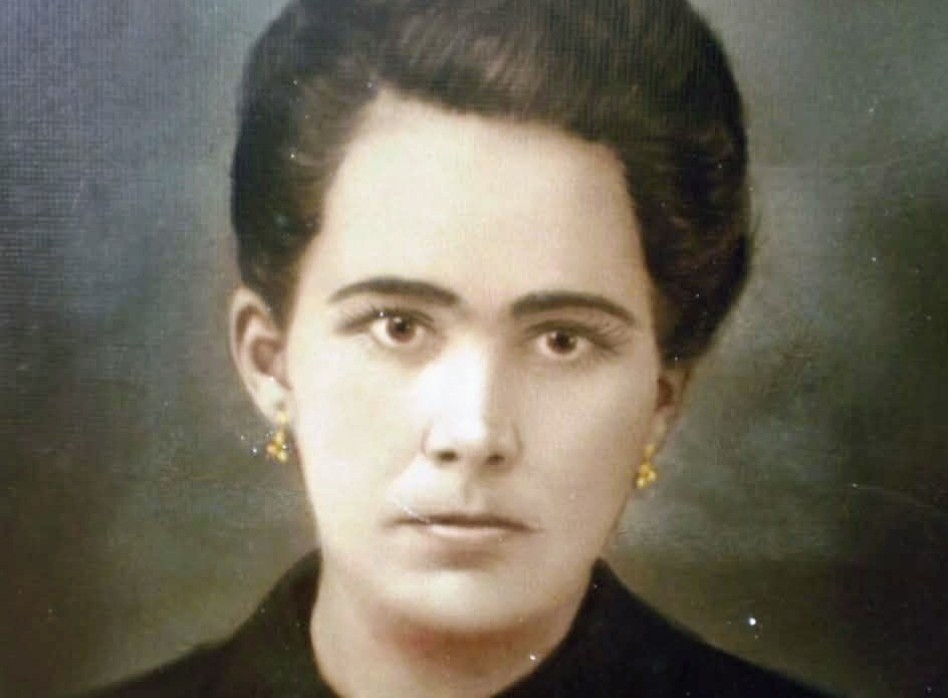
My maternal great-grandfather, José Rosa, was a fisherman and boat skipper, known as El Rosilla, a nickname derived from his surname. He was famous for being an excellent fisherman and knowing all there was to know about fishing. His sons Cristóbal (El Tobalo) and Luis inherited the nickname, as did his daughters, including my grandmother María del Carmen Rosa, La Rosilla, who gave her name to the great jábega. My great-grandfather ended up owning three boats: La Rosilla Grande, La Rosilla Mediana and La Rosilla Chica; in addition to sardinals, a sweep net fishing boat and even a small trawler. On the María del Carmen, the skipper was my grandmother’s husband, Juan Antonio Rodríguez, El Bichucho, and he was also known as the seven of gold —the rare card in the tarot deck assigned to the Rosillas— which was a symbol of prosperity and teamwork.
The boats didn’t go out to sea without first assigning their turn in the fishing grounds. The draw was made when the skipper who last went out to sea placed the morrón, a jacket hanging on an oar stuck in the sand. Everyone came there, the cards were shuffled and the order in which they were drawn assigned the turn. They met at the Lonja, the market where the fish was sold and which eventually became a tavern, which was always in the hands of Manuel Rosa, the owner of the Lonja, my great-grandfather’s grandson. He died at the age of 94, still waiting on those boats. My ancestors, the Rosillas, were all born, lived and died in that rebalaje.
Those boats were pampered and built by the Calafates family from El Palo. Miguel García and his six sons built more than fifty jábegas before the Spanish Civil War. Nobody caulks boats anymore; our marengo roots and customs remained in memory, dreaming of sailing the waves again, just like the María del Carmen, the boat of Rosilla from El Palo, which today lies in eternal rest at the Museu Marítim de Barcelona.
El Palo as a culinary ecosystem
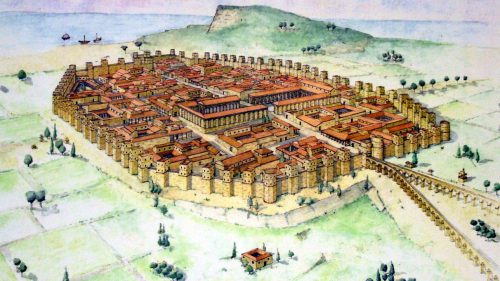
The history of El Palo is marked by two elements: a strong popular fishing identity and a life forged since ancient times in poverty and precarious situations. This led to a lively cuisine, handed down from generation to generation, full of flavours and aromas that preserve Phoenician, Roman and Arab influences: adobos, marinades, salted foods, preserves and stews. A flourishing industry of vineyards, olive trees and salted food has developed there ever since Roman times. The Phoenician colonies that settled in the valley painted the eyes of the Egyptian god Horus on their ships, the same eyes that the inhabitants of El Palo would continue to draw on their own jábegas for centuries.
Despite the great abundance of fish, seafarers faced hard lives that involved great sacrifices. Men and women, burnt by the sun and saltpeter, went out to work every day at dawn, known locally as alarboreá. They handed these old recipes down to me. Wtih the Cuadernos del Rebalaje, I am trying to ensure that the culinary memory of El Palo endures and is not lost to history. At the beginning of the 20th century, El Palo established itself as an important fishing industrial centre: canning factories (the fridó), fish markets, the shipyards, and more. Then came the rise of the xiringuitos (beach bars) that made Malaga famous for their fried fish and sardine espetos (skewers).
Cuisine linked with jábega boats
Mintz said that our food, our gastronomy, our cuisine itself, is related to history, to who we are and where we belong, that is, to our identity. El Palo’s cuisine is linked to the fresh seafood we catch —sardines, anchovies, mackerels, blue whitings, gobies, mullet, squid, hake— all of which are eaten freshly caught. The sardine espeto is the greatest example of this: the sardines are stuck on large reed needles fixed in the sand, roasted by expert hands using the heat of the olive wood embers right on the beach itself.
This marenga dish is closely linked to the xiringuitos that were founded based on the fishermen’s fare. A sign of identity were the cenacheros, the fishermen who, with their esparto baskets (called cenachos in Spanish), waited for the food to be filled and then walked through the streets of Malaga shouting: “Fresh sardines, girls, look, I have anchovies from Vitoria, still alive… freshly caught…! “.
Fried foods, marinades, preserves, roasts and stews
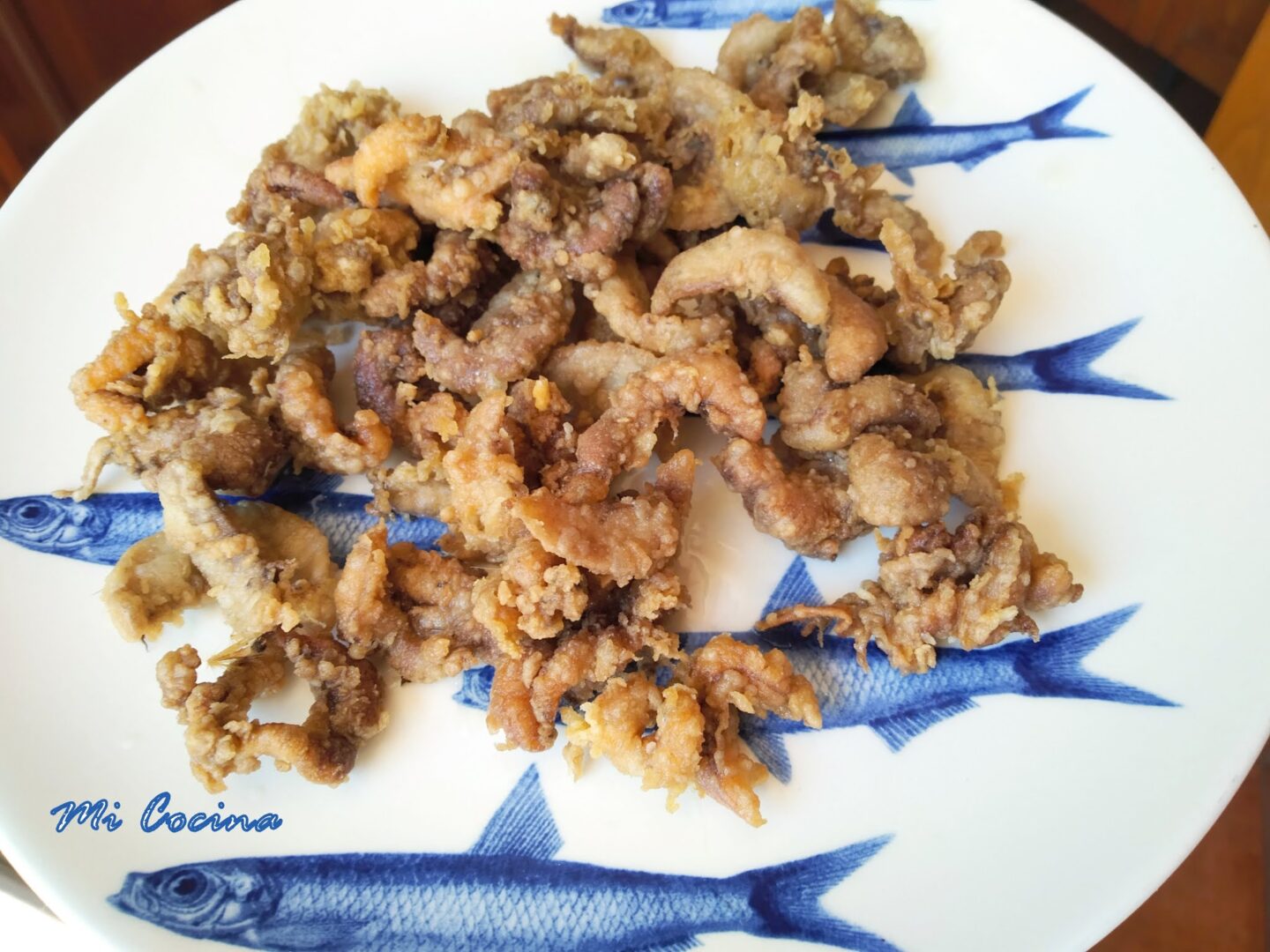
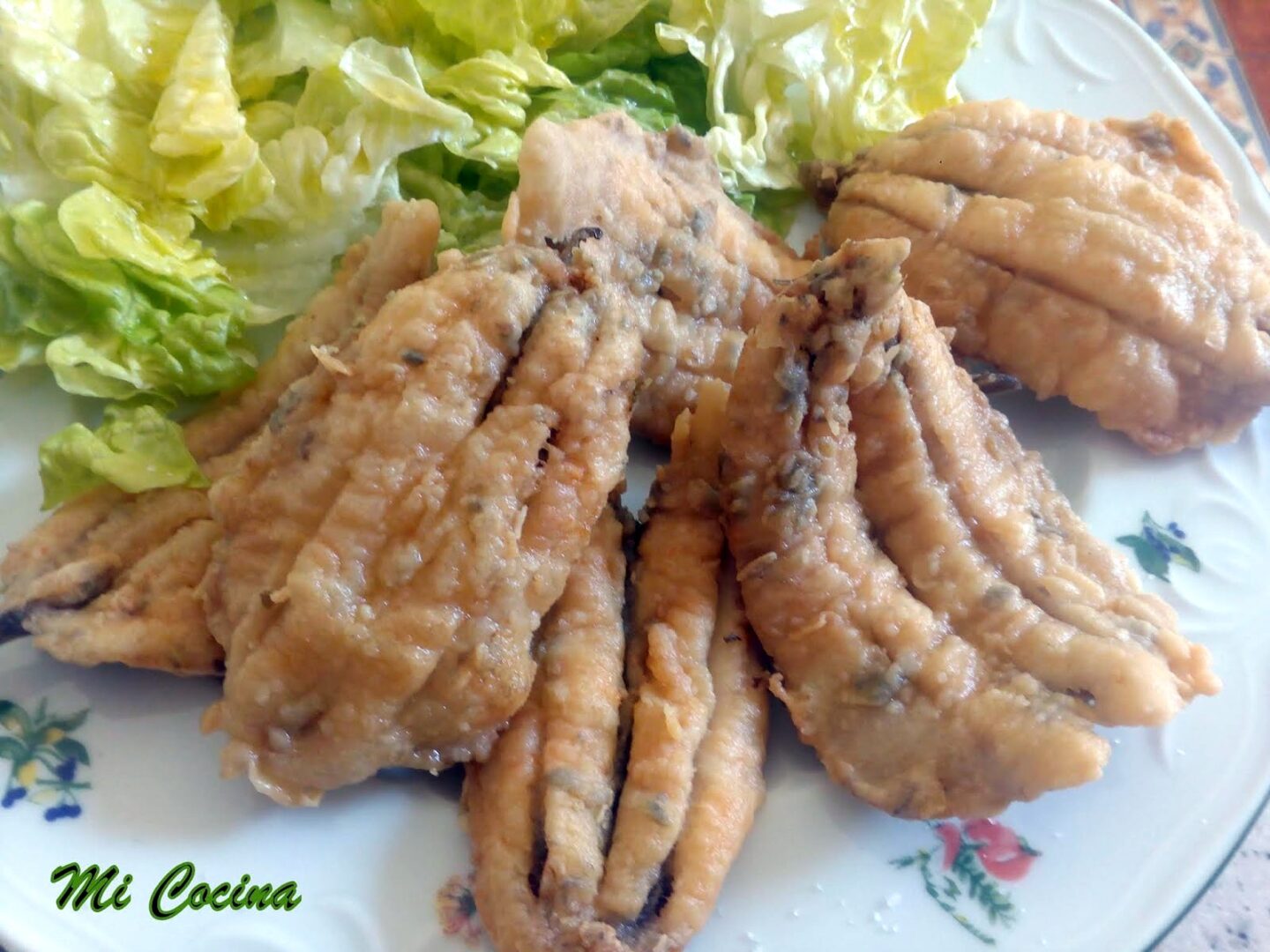
Until the mid-20th century, El Palo had canning factories —known as the fridó— where fish floured with wheat flour and fried in olive oil were fried. The best were the transparent gobies, which are banned today. The fish were covered in a marinade made of red pepper, oregano, salt, garlic and vinegar, a technique originally meant for preservation that today is a gift for the palate. Catfish, monkfish, sea bass and anchovies were marinated in lemon. Sardines were preserved in pickles. Meanwhile anchovies, cured in vinegar and preserved in extra virgin olive oil, were called anchovies al natural.
Anchovies —specifically salted anchovies— are an example of an ancestral technique. The women of El Palo were experts at it, even from a very young age: they headed and gutted the anchovies, kept them in salt water for two or three days and then sealed them barrels in layers that alternated salt and anchovies for months, even a year. The anchovies from the Bay of Malaga were already famous in the time of the Phoenicians and the Romans: they were the main ingredient in garum, the prized Roman sauce.
As for the roasts, I can still hear my grandmother María del Carmen explaining how her mother, Clementa, in the blackness of the night, at the rebalaje, lit a bonfire with logs dragged from the streams to warm the bodies numb with cold. The fire served as a shining light to bring the boats back to shore. The women stuck that silvery fish, the sardines, caught in nets that they had made and mended with their own hands onto reeds which were then cooked over the embers of the fire.
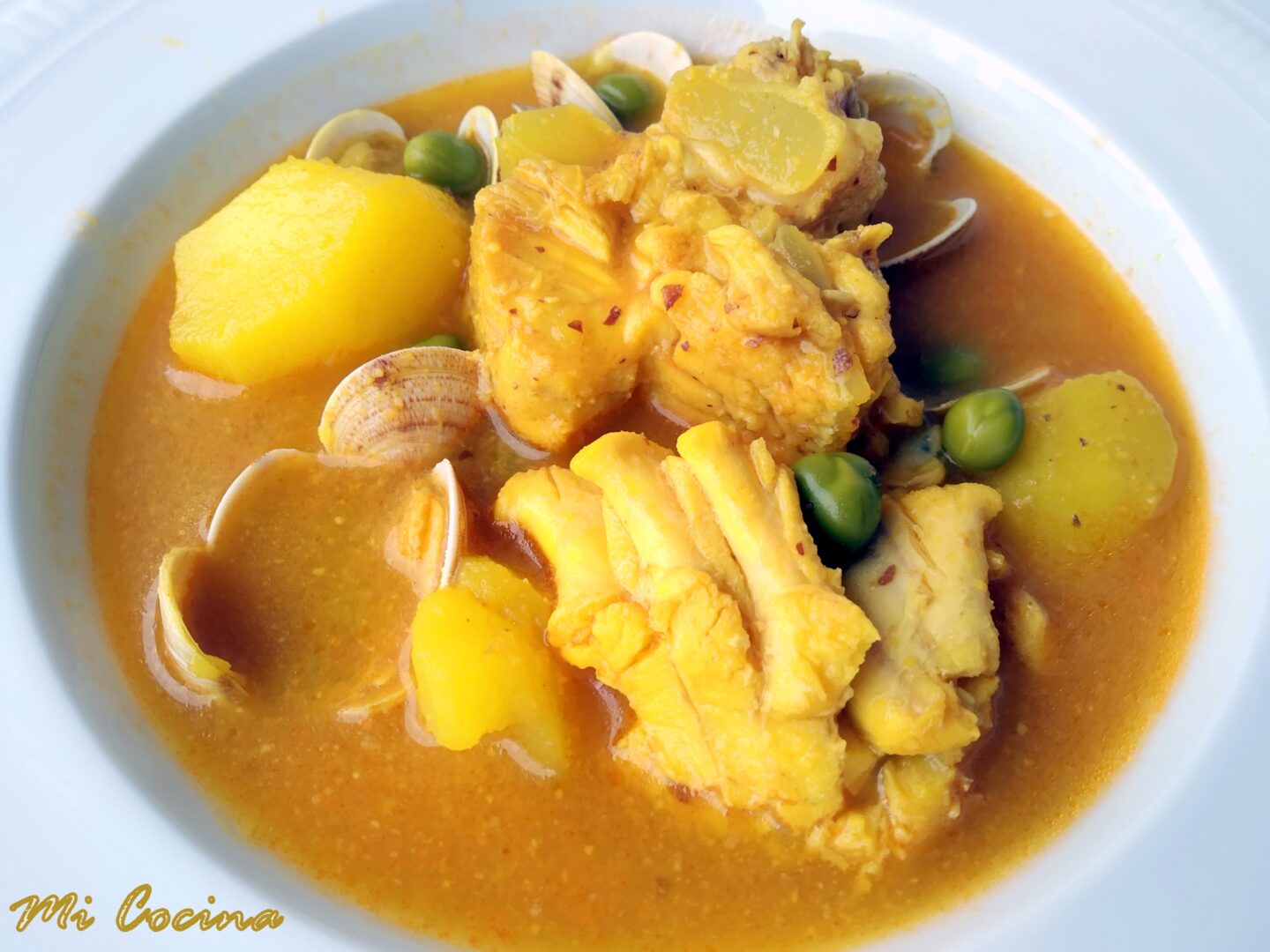
The iconic dishes: pimentón de chanquetes (today made with anchovies), emblanco de jureles o pescadilla, cazuela de papas con raya jabegota y almejas, caldillo de pintarroja, gazpachuelo marengo,, fideos a banda, caldoso rice casserole with prawns and clams, rice with anchovies a la malagueña, moraga de sardines. And, of course, the iconic symbol of Malaga, the sardine espetos.
Relationship with the fishing aboard the jábegas
The secret of the quality of Malaga fish is in the Alboran Sea. The fact that it constitutes a transit zone between the Mediterranean and the Atlantic gives it unique characteristics: the exchange of waters, the differences in temperature and salinity favour the formation of biomass and the emergence of nutrients to the surface. Plankton production leads to high biomass values, which creates favourable spawning areas for sardines and hake. In particular, the Bay of Malaga is vitally important for the complete life cycle of hake throughout the year.
In the spring, when the adult anchovies arrive to spawn in this sea, we find that delicious food that is not thrown away in my kitchen: the anchovy eggs and milk. Only for two or four weeks a year, the Mediterranean provides this delicacy that barely anyone knows about. The eggs are from the females while the milk comes from the testes of the male, with a much smoother texture. Covered in bags of pink and whitish tones, they are a simple but delicious food, with a fine and inimitable taste.
Continuity, identity and current projection
The marengos of El Palo used to say that pescao, the local name for fishing, has its days. Mackerels are caught in April, anchovies in June, and sardines from May to August, while Easter offers the big anchovy with its eggs. This is how the days passed for parents and children, generation after generation, fighting with the sea. At the end of the 1940s, the jábegas began their decline: the exhaustion of the fishing grounds, legal restrictions and the advance of motor boats led sailors to embark on deep-sea fishing.
The marenga recipes continued to be handed down, a pillar of the living cultural heritage, from house to house, from mothers to daughters. The cuisine of the rebalaje is made up of techniques born of necessity, of products from the soil, the mountains and the sea. Today this heritage is experiencing a rebirth: culinary bloggers, La Carta Malacitana, cooking schools and institutions such as the Regional Government of Málaga with Sabor a Málaga seek to prevent them from disappearing. High-end restaurants in Malaga are also engaged in this task, which elevate dishes from almost forgotten era to haute cuisine.
My family no longer has any marengos. Now only María del Carmen remains, asleep, dreaming of her distant past, in the Museu Marítim de Barcelona. In El Palo I look at the same sea, I see them fishing, pulling the line and the seine. And in Mi Cocina is where I honour their memory, cooking just like my mother did; it is my mother’s cooking, the food of the sea, marenga just like her, from El Palo. Recipes crafted by the women of the sea, out of necessity and humility; marengo dishes, from El Palo, jewels and treasures of Malagan cuisine that remain in our memory.