A strategic place
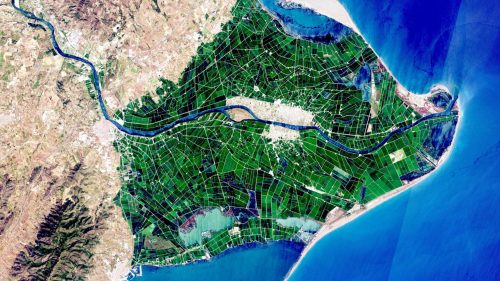
The Ebro River rises in Fontibre, in Cantabria, and flows through much of the Peninsula until it flows into the Mediterranean, in the Terres de l’Ebre. It enters Catalonia through the Ribera d’Ebre, crosses the Baix Ebre through Tortosa and reaches Montsià, where it flows into the sea between Deltebre and Sant Jaume d’Enveja. This unique wetland has always been a strategic route of communication between the coast and the peninsular interior, to which must be added the bays formed by the river sediments, which have offered natural shelter for navigation. Port Fangós (now disappeared), els Alfacs and el Fangar, formed in different stages of the deltaic dynamics, are still considered some of the best natural ports in the Mediterranean.
The Ebro coast has been the scene of great historical events. In 217 BC, the Carthaginian and Roman fleets faced each other in the Battle of the Ebro Gorges, one of the first episodes of the Second Punic War.
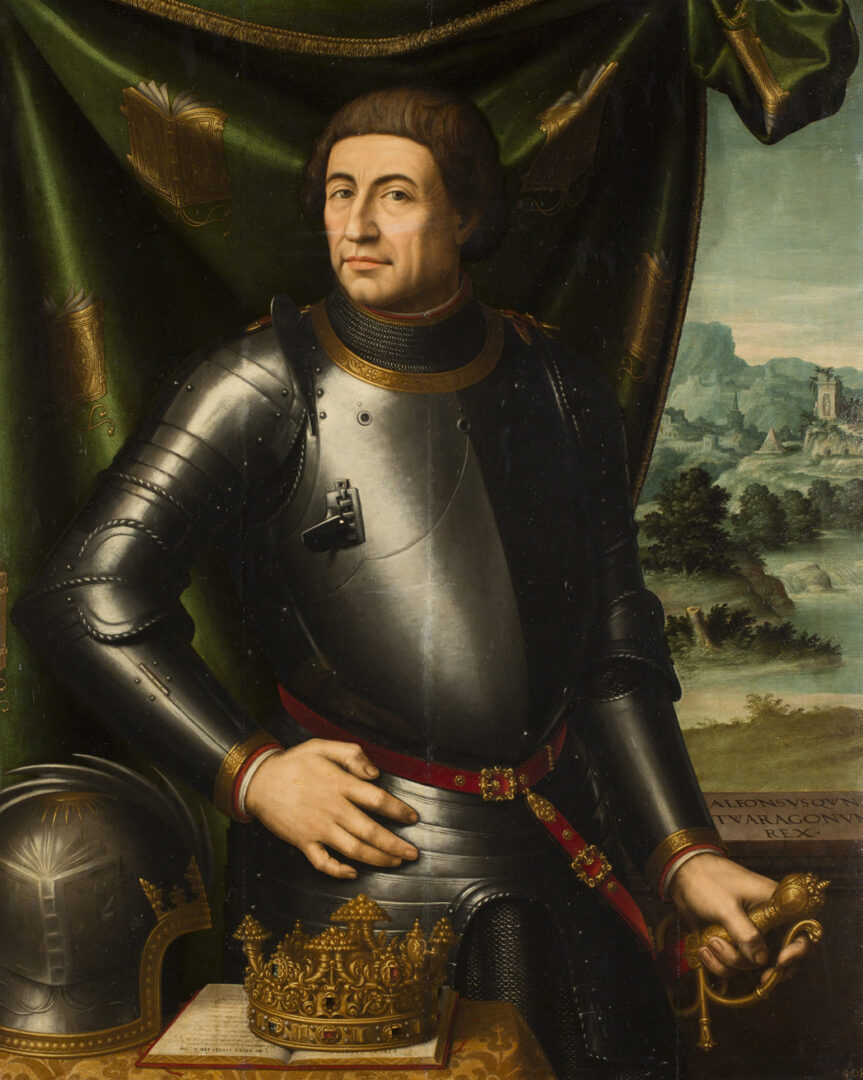
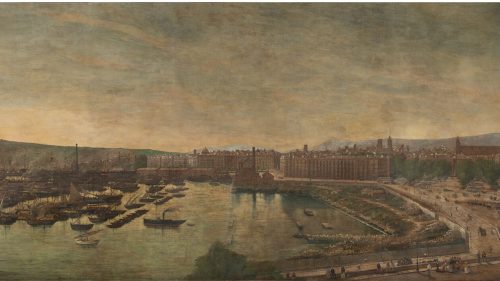
During the splendor of the Crown of Aragon, the Ebro coast became a fundamental naval axis. Tortosa, the second most populous Catalan city after Barcelona, acted as a logistics center. Its natural ports served as a starting point for military expeditions to the Mediterranean. Kings such as Alfonso the Magnanimous or Martin the Human used the Ebro as a base of operations.
In the modern era, piracy favored the depopulation of the coast and motivated the construction of fortifications. In 1610, more than 42,000 Moors were embarked in the Alfacs in one of the most notable mass expulsions of the period.
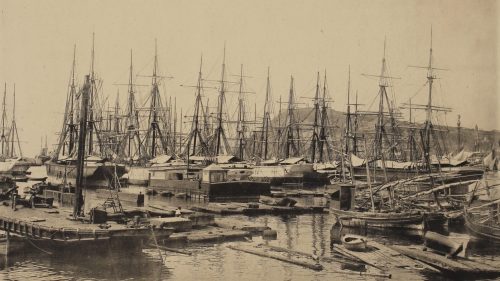
In contemporary times, the coast was repopulated and coastal shipping was recovered, while river navigation was abandoned. The coast experienced Carlist episodes such as the Ortegada (1860), German submarine attacks during World War I, the shortages of the Civil War or air combat and forced landings during World War II.
Footprints of the past
The Ebro coast preserves a rich material heritage that bears witness to centuries of occupation, navigation and relationship with the sea. The origin of this footprint dates back to the 7th century BC, with the Phoenician site of Sant Jaume, in Alcanar, the northernmost in the Peninsula and the only one known in Catalonia. Later, the Iberian site of La Moleta del Remei, in Alcanar, and the Roman villa of La Carrova, in Amposta, reveal the continuity of settlement and the exploitation of fluvial and maritime resources.
Also noteworthy are the underwater sites such as that of the ship Deltebre I , sunk during the French War and recovered with a model intervention by the Center for Underwater Archaeology of Catalonia.
In the military field, the medieval castle of Amposta, custodian of the river gate, stands out; the tower of Sant Joan in Poblenou del Delta, defender of pirate attacks on the coast; the cannon battery of La Ràpita, witness to the enlightened project of Charles III, and the various machine gun nests from the Civil War on the beaches of l’Ampolla and Les Cases.
Also noteworthy is the religious heritage linked to the sea, such as the hermitage of Remei (Alcanar), the church of Sant Pere (les Cases) and that of Sant Joan Baptista (l’Ampolla), without forgetting the remains of the convent of Santa Maria de la Ràpita, the only female monastery in the territory linked to the control of the coast. All of them are examples of spaces of spiritual protection for fishing communities.
Finally, civil works such as the Buda, Fangar and Banya lighthouses (the latter currently preserved in the port of Tarragona) dating from the 19th century, as well as the sailors’ quarters, shipyards and fishing and commercial ports of the different towns show the connection between engineering, territory and navigation in the area.
A living heritage
As a result of their humble, communal and resilient past, the people of the Ebro coast have developed their own unique character which, linked to the very late arrival of tourism, has allowed them to preserve an immense intangible heritage that is transmitted through gestures, words, flavours and rituals. This legacy shapes a popular maritime culture rooted in the environment, which continues to be present in daily life and collective practices.
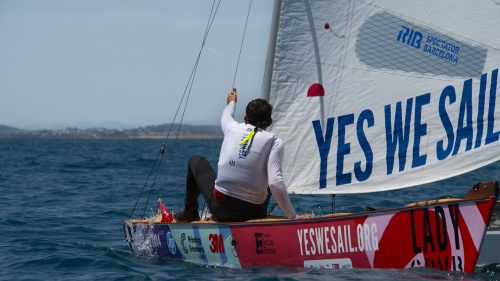
Traditional trades are a prominent example. Despite modernization, tanners, caulkers and boat masters, salt workers and fishermen still survive, maintaining ancestral fishing techniques and styles. The art of sailing with a lateen sail —a candidate to be declared an intangible heritage of UNESCO— is in good health in Ametlla de Mar and is already expanding towards the port of Alfacs.
Seafaring speech is also part of it. Words like sársia , vogar, palaia, xorrar, canyut, trabucar, viandes, aponentat, servar or carís name actions, places and emotions that are only understood from an intimate relationship with the sea. This lexical wealth, transmitted from generation to generation, preserves a vision of the world linked to collective work and natural cycles.
Popular music and dance are kept alive through the jota ebrenca and the rhymes of the fables, which recreate the oral memory of the territory. Traditional games also stand out, such as morra, with strong roots in Ràpita and practiced in different parts of the Mediterranean such as Corsica, Sardinia or Istria.
The recipes of the rancho abord are another living testament to this heritage. Preparations such as suquet, caldo or all i pebre are good examples. We must not forget the rice dishes of the Delta, whether paella, campanero or rossejat which speak of a direct relationship with the resources of the land and the sea.
Finally, religious festivals, such as those of the Virgin of Mount Carmel and Saint Peter, patron saints of sailors, still bring together entire communities around ritual, devotion and shared memory. And on a symbolic level, the fishing communities of the Ebro present a wide variety of tales and legends – such as the marfantas or the mermaid of Sòl de Riu -, words and actions of bad luck, and superstitions that keep a collective imagination alive along the coast.
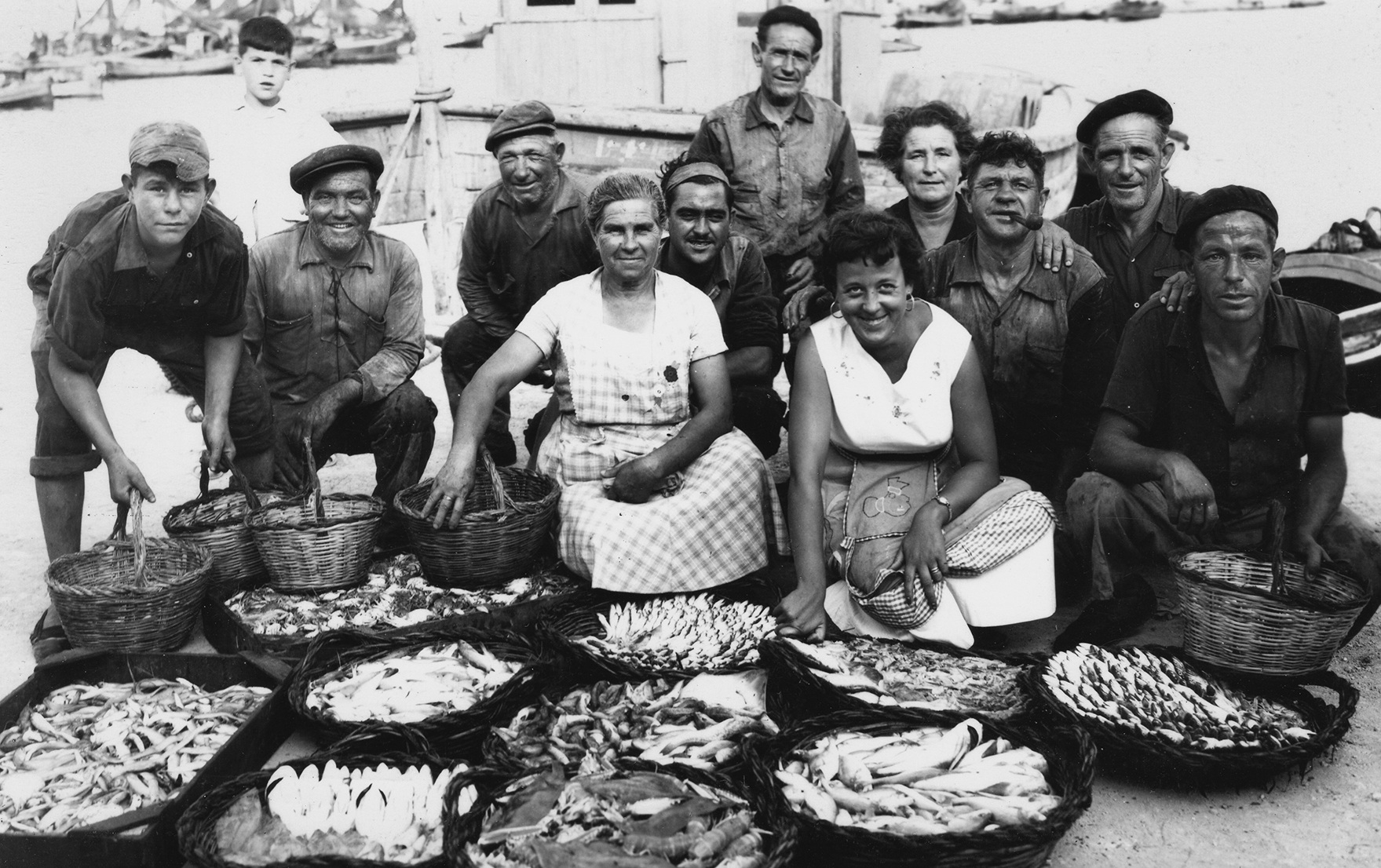 Crew and family of the boat Rosita y Juan with the catch of the day (1962). Photo: Museu de la Mar de l'Ebre.
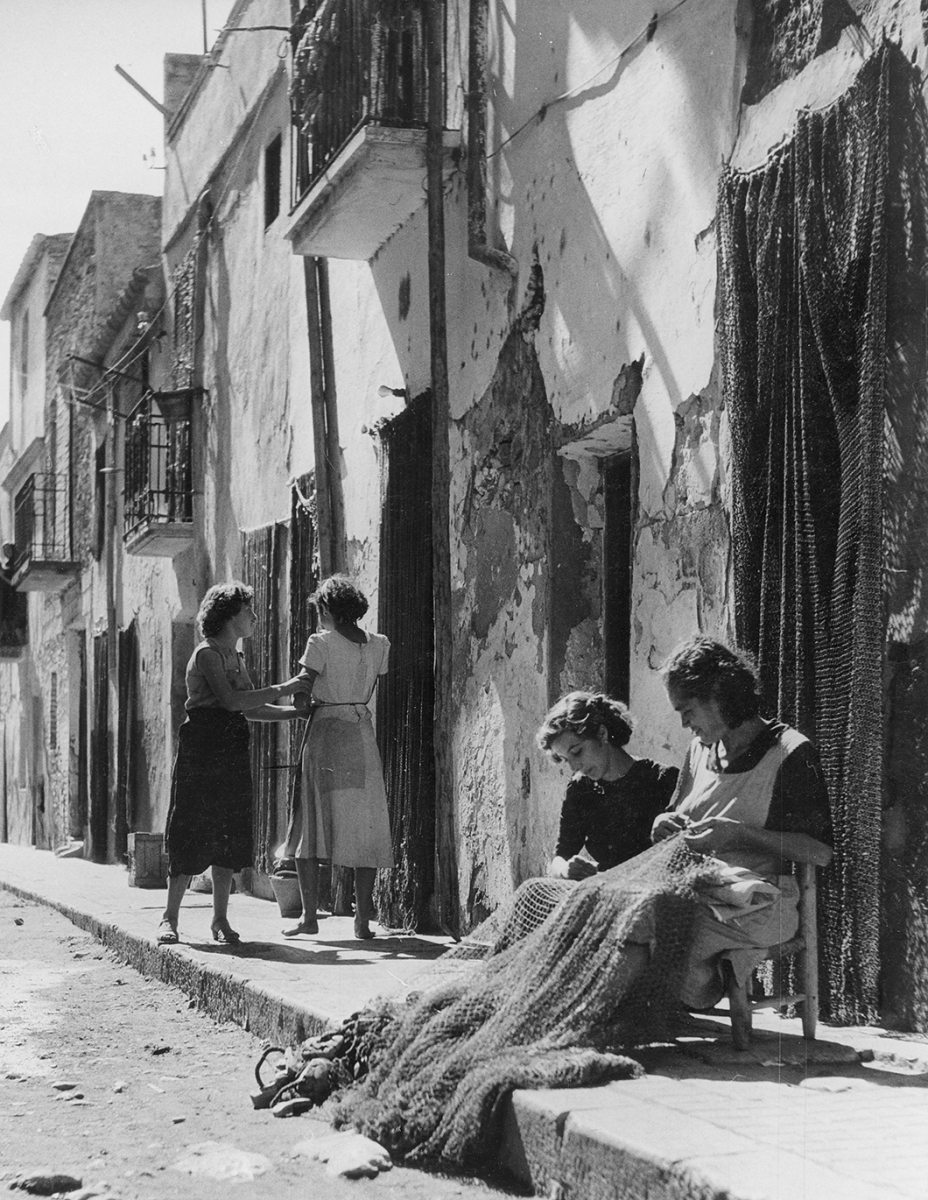 Menders in the Xicago (or mariner) neighborhood of La Ràpita (1940s). Photo: Museu de la Mar de l'Ebre.
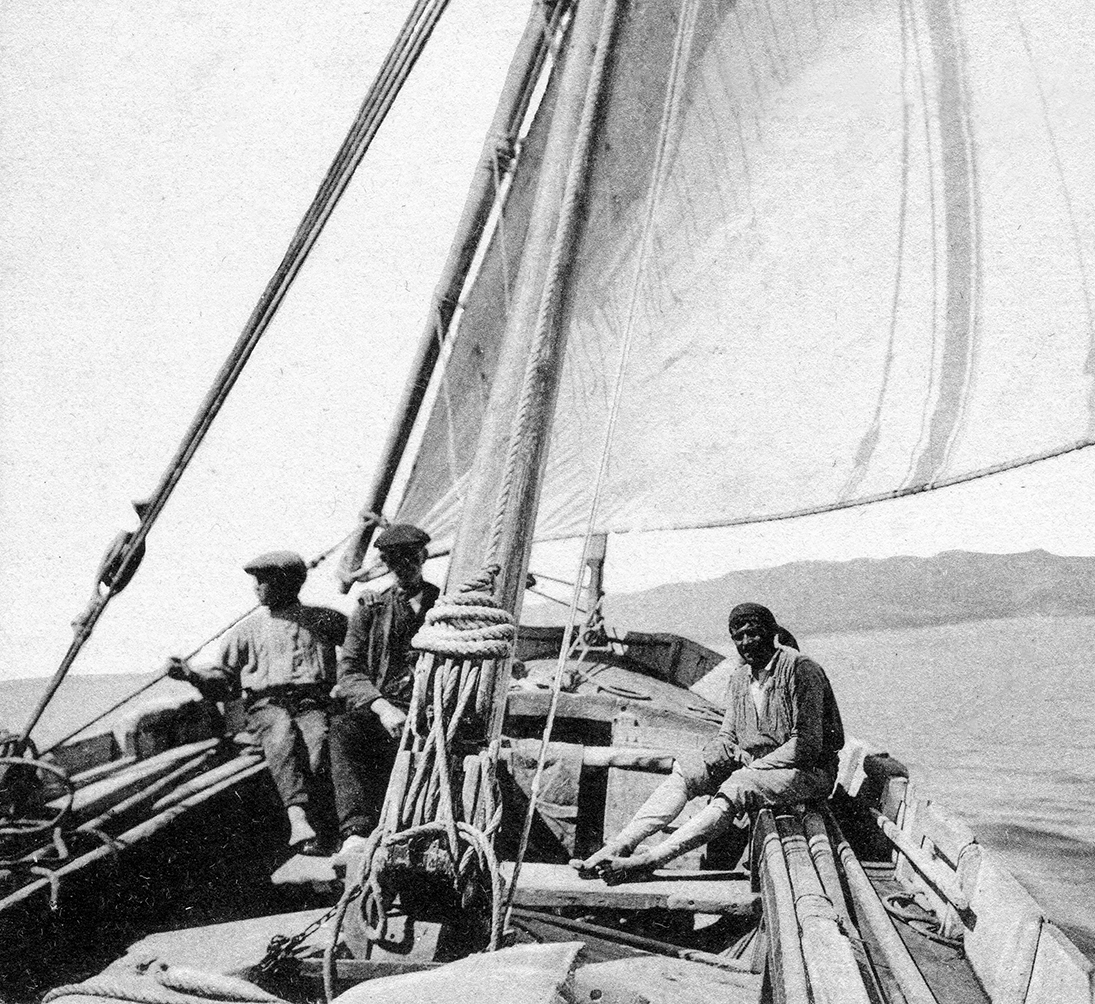 Mail boat from the Salines de la Trinitat (Early 20th century). Photo: Terres de l'Ebre Museum.
Humans and nature in balance
The term “Mar de l’Ebre” was coined by the Rapita chronicler Lluís Millan to designate the maritime stretch influenced by the mouth of the Ebro, between Ametlla de Mar and Les Cases d’Alcanar. It is a unique space, shaped by the mixing of the river’s fresh waters with the salty waters of the Mediterranean, and by the constant contribution of fluvial sediments. These conditions have generated an environment of great geological, biological and human richness.
In this territory of liquid borders, human activity—such as rice cultivation, fishing, and salt exploitation—has historically contributed to maintaining a fragile but valuable balance with the environment. This is evidenced by the biodiversity and ecological complexity that define this stretch of coastline.
Thus, the Ebro coast forms a mosaic of ecosystems: the large deltaic bays, the rocky bottoms of the north and the underwater seagrass meadows of the south, among the best preserved in Catalonia. The relatively shallow depth of the pelagic environments favors one of the highest marine biodiversity of the entire Iberian coast.
The contribution of freshwater from the Ebro River favors the upwelling of nutrients, which generates a highly productive coastal zone that extends to the continental shelf of Castellón. This abundance of food and the moderate temperature of the waters favor spawning and growth areas for many species of fish, crustaceans and molluscs, with a high fishery richness, especially in commercial species such as prawns.
This productivity is also reflected in the presence of seabirds. The Ebro Delta is one of the main Mediterranean enclaves for the reproduction and feeding of these birds, where the high salinity of the Trinitat salt pans area plays a fundamental role. This fact is the reason why a large part of the Ebro Sea has been included in the Natura 2000 Network as an area of special interest for birds.
A look from the Museum: culture, community and future
In La Ràpita, the Museu de la Mar de l’Ebre has established itself as a leading space in the dissemination of the natural and human heritage of the Ebre coast. Beyond conservation, the Museum creates links between past and present, working with positive values, to create a better society through culture and knowledge.
Its permanent rooms offer a comprehensive look at the ecosystems, ways of life and traditional activities of the coast. Added to this is a temporary programme that, throughout the year, connects art, history, biology and society, and which has turned the Museum into an active cultural agent in Terres de l’Ebre.
Its educational role is key: through agreements with institutes and university centers, it becomes a training space in heritage, tourism and trades linked to the sea. This pedagogical vocation also includes a social program and new accessibility projects, such as inclusive audio guides or workshops for blind people.
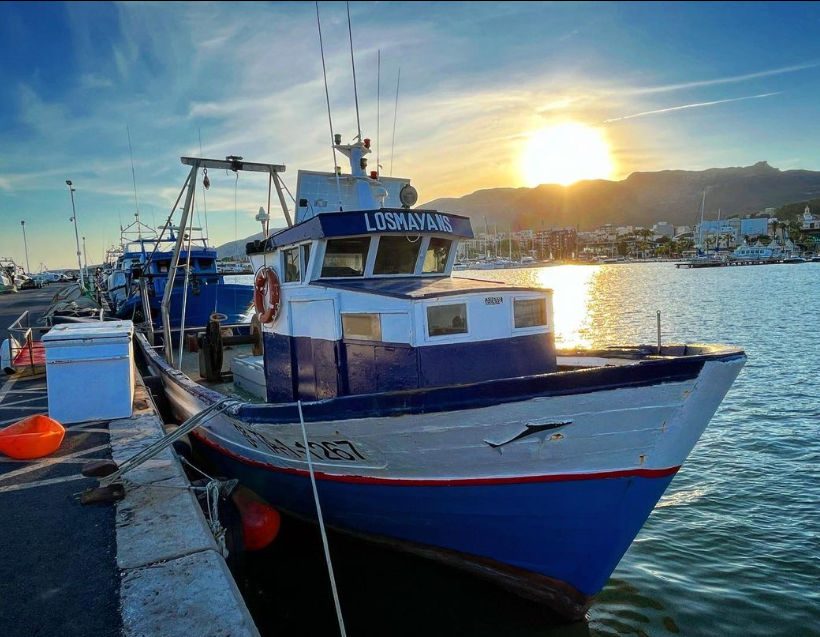
The Museum’s work extends beyond its walls. It has reinterpreted urban spaces as open heritage areas, collaborates with the Orígens festival to bring historical recreation closer to the public, and promotes unique projects such as the restoration of the traditional boat Los Mayans , a living example of networking with boat masters, schools, and local entities.
With an active presence on social networks, blogs, podcasts and local media, the Museum is projected as a center of thought and dissemination at the service of the population. All of this makes it a gateway to quality cultural tourism and, above all, a local proposal for preservation and adaptation to the future from a maritime culture perspective.
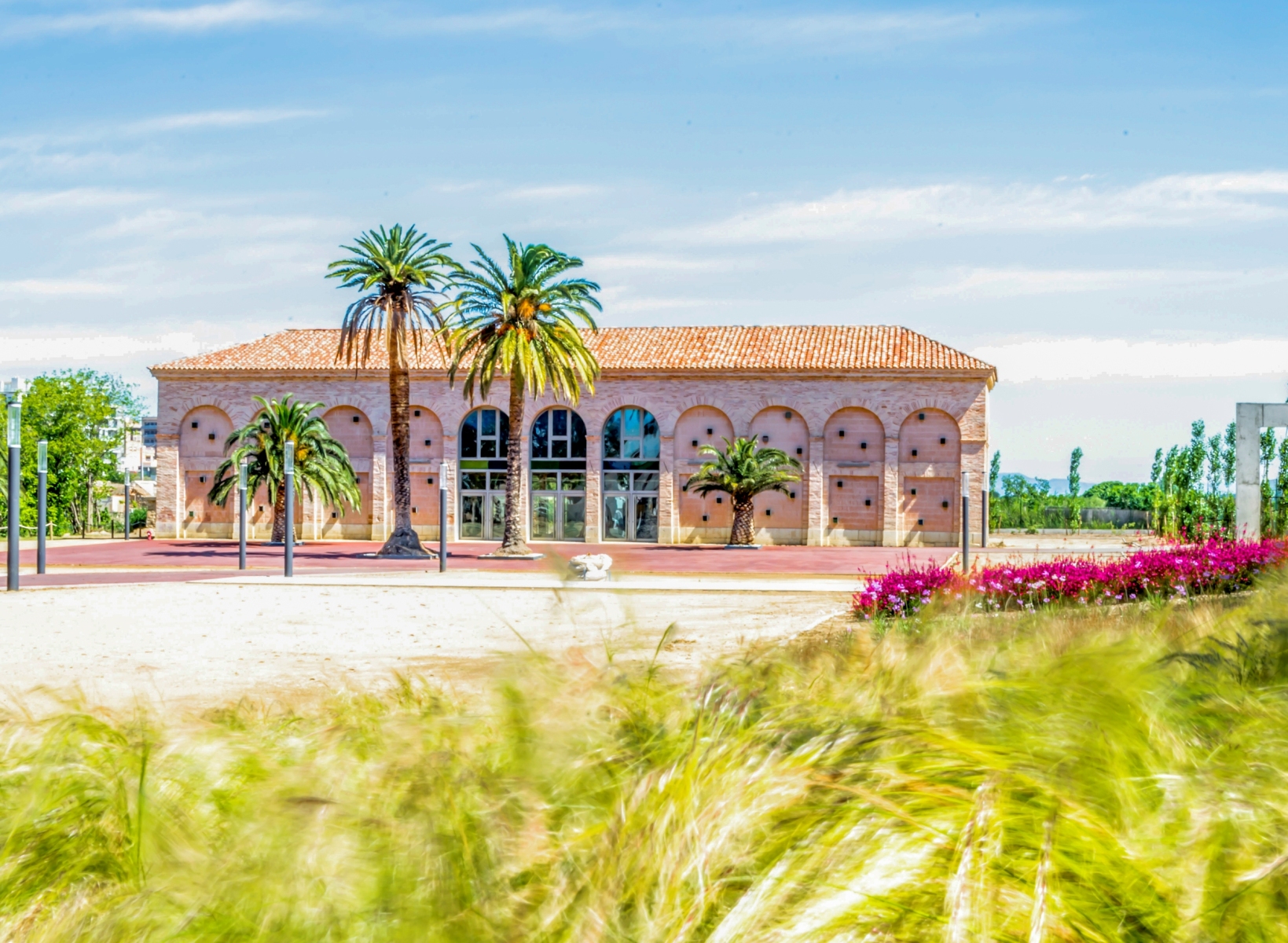 Square of the Ebro Sea Museum. Photo: Ebro Sea Museum.
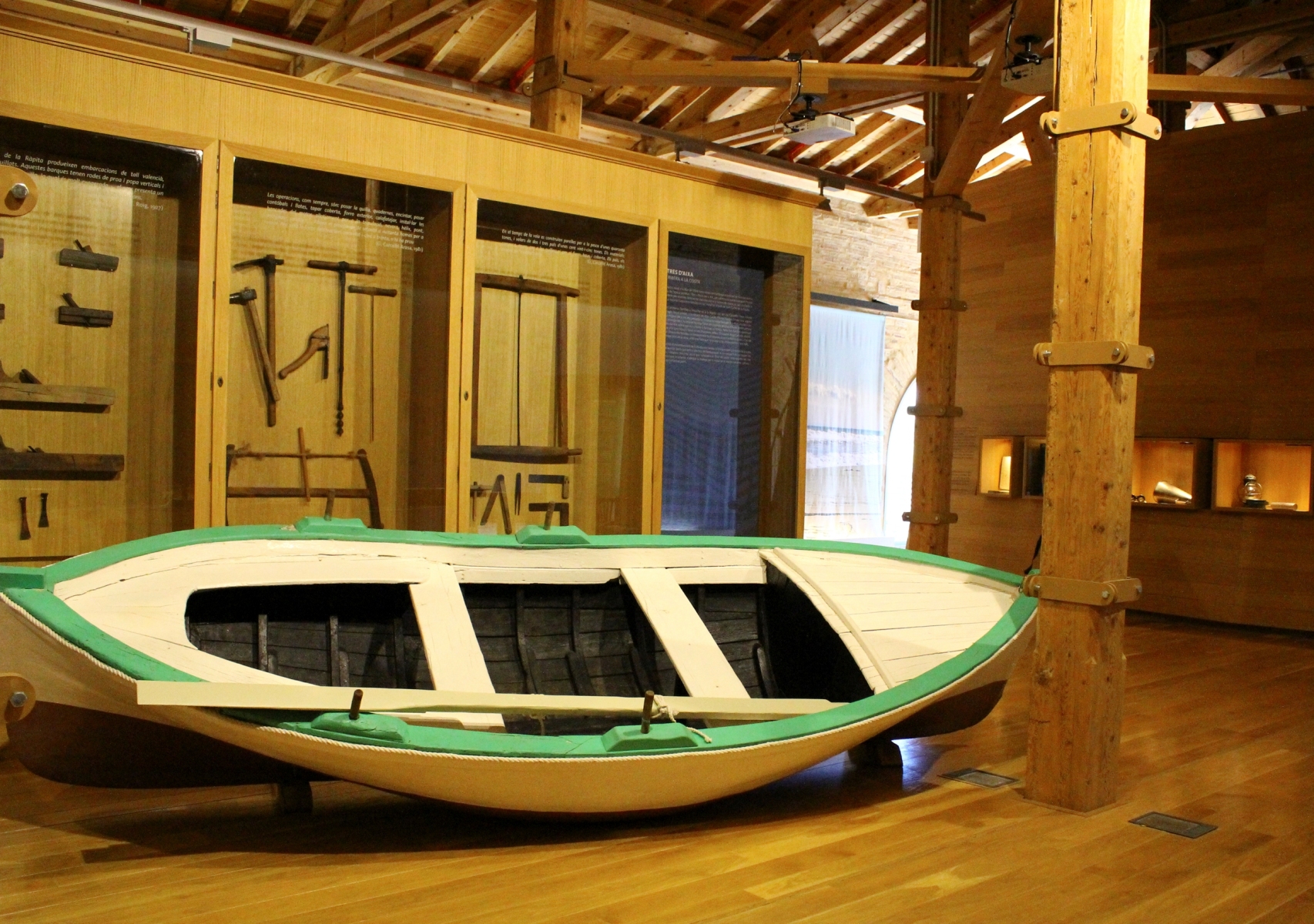 View of the room 'The Ebro: cradle of fishermen and sailors'. Photo: Ebro Sea Museum.