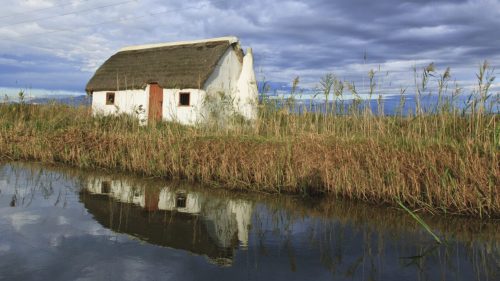
Three kilometers from the last sandbar, now in the middle of the sea, lies the sunken Buda Lighthouse. Built in 1864 in Birmingham, it was over 53 meters high. It was the tallest metal lighthouse in the world, 10 meters taller than the previous record holder (located in Florida, United States). Almost 100 years later, in 1961, a storm knocked it down. Apart from being a memorable story, this tells us about a very worrying fact. The Delta has lost more than 3,000 meters of width since then. And the situation does not seem to be improving in the short term.
A year on the island of Buda
The fourth letter of the Greek alphabet, D , is known as delta . “Herodotus thought of it when he contemplated the arched triangle that formed the mouth of the Nile. In addition to thinking it, he wrote it, D ; and, without knowing it, he bequeathed its image and name to posterity.” These lines belong to the first pages of Delta (Ara Llibres, 2023), a book that is the result of, probably, the most exhaustive research that has been done on the ground so far. The author, Gabi Martínez, lived for an entire year on the island of Buda. The conclusion that the reader reaches is that there is still a glimmer of hope in the conservation of natural spaces in the short term, but that nature’s response to human action will ultimately be impossible to combat.
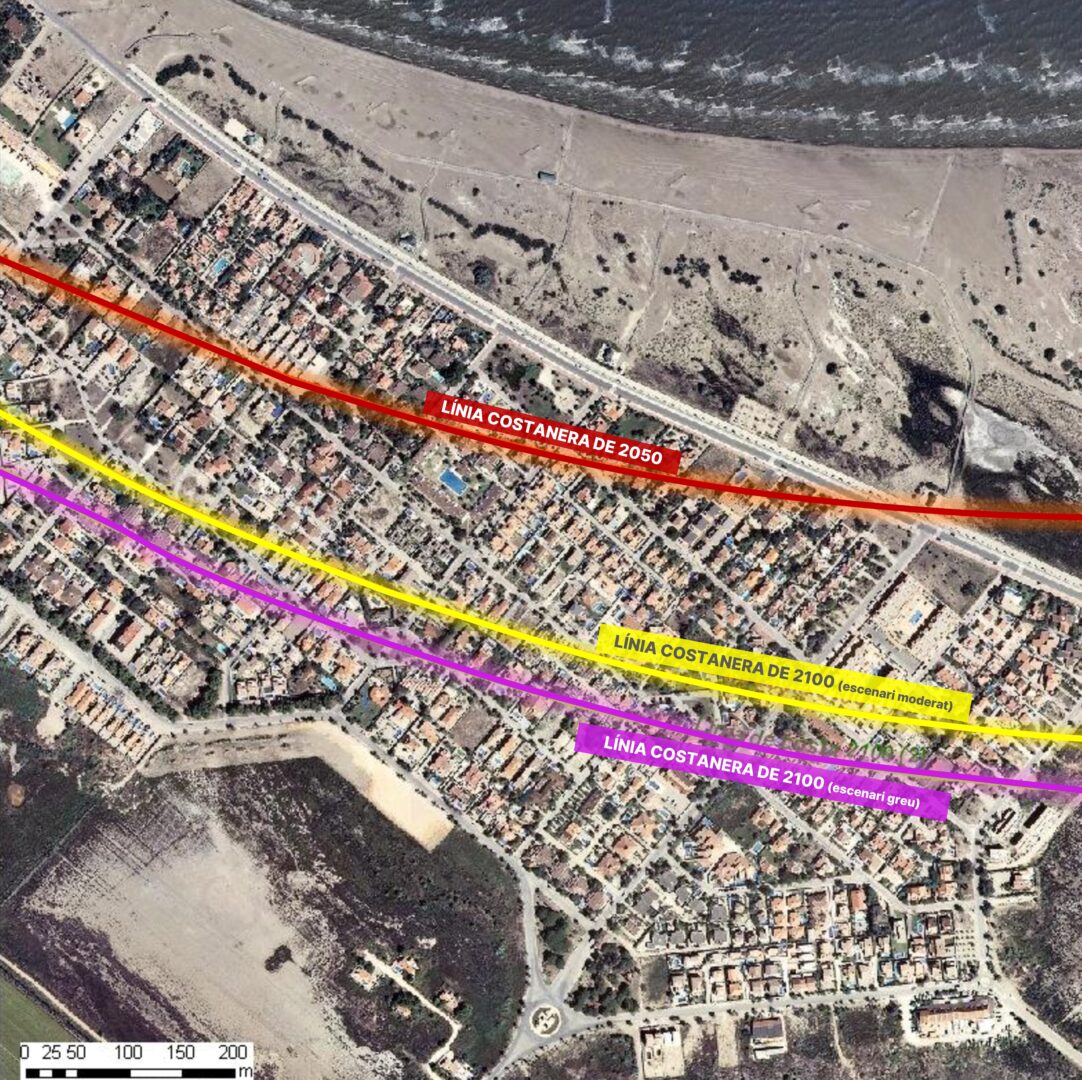
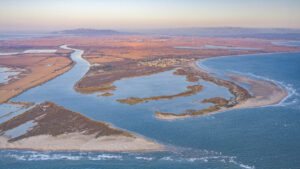
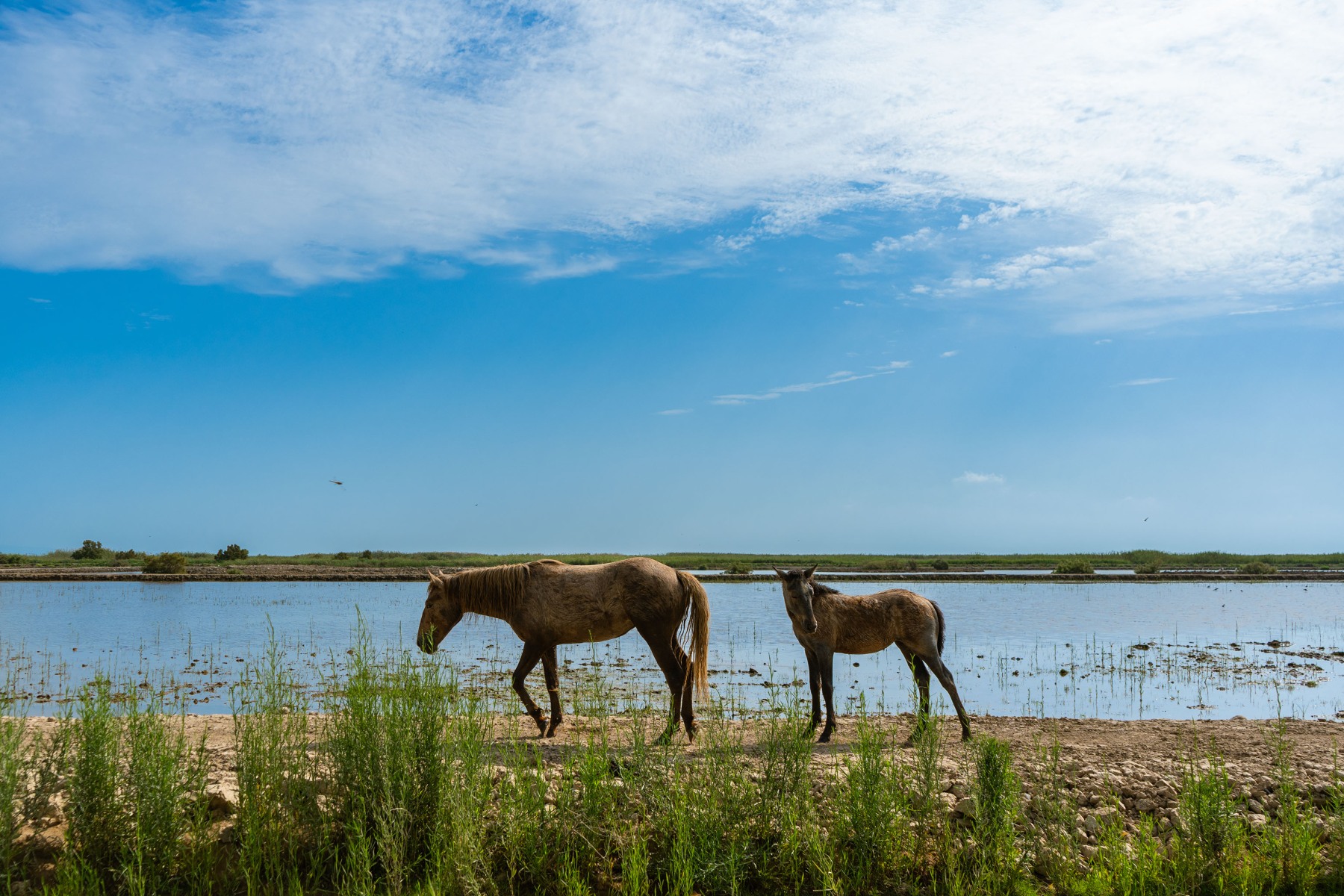
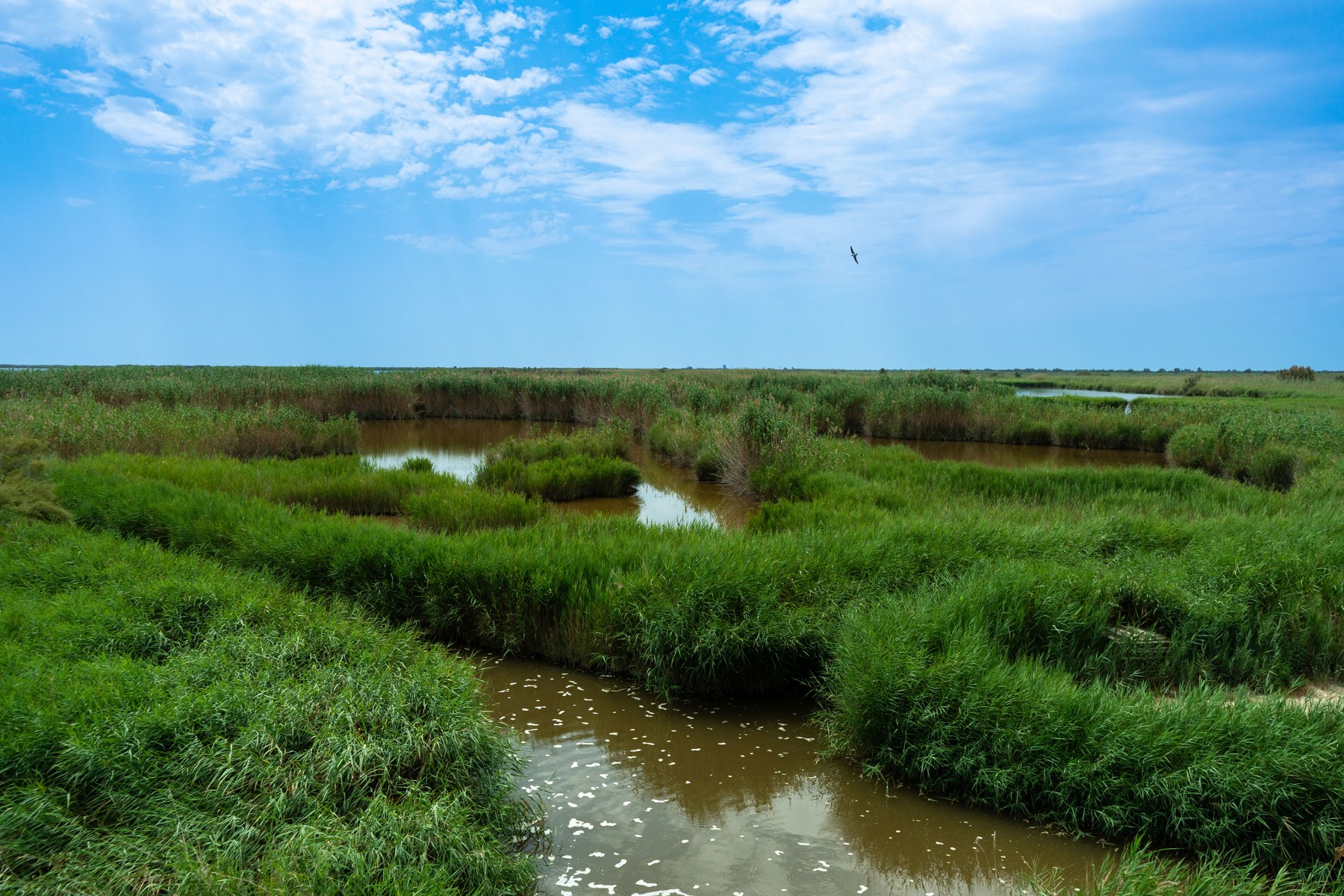
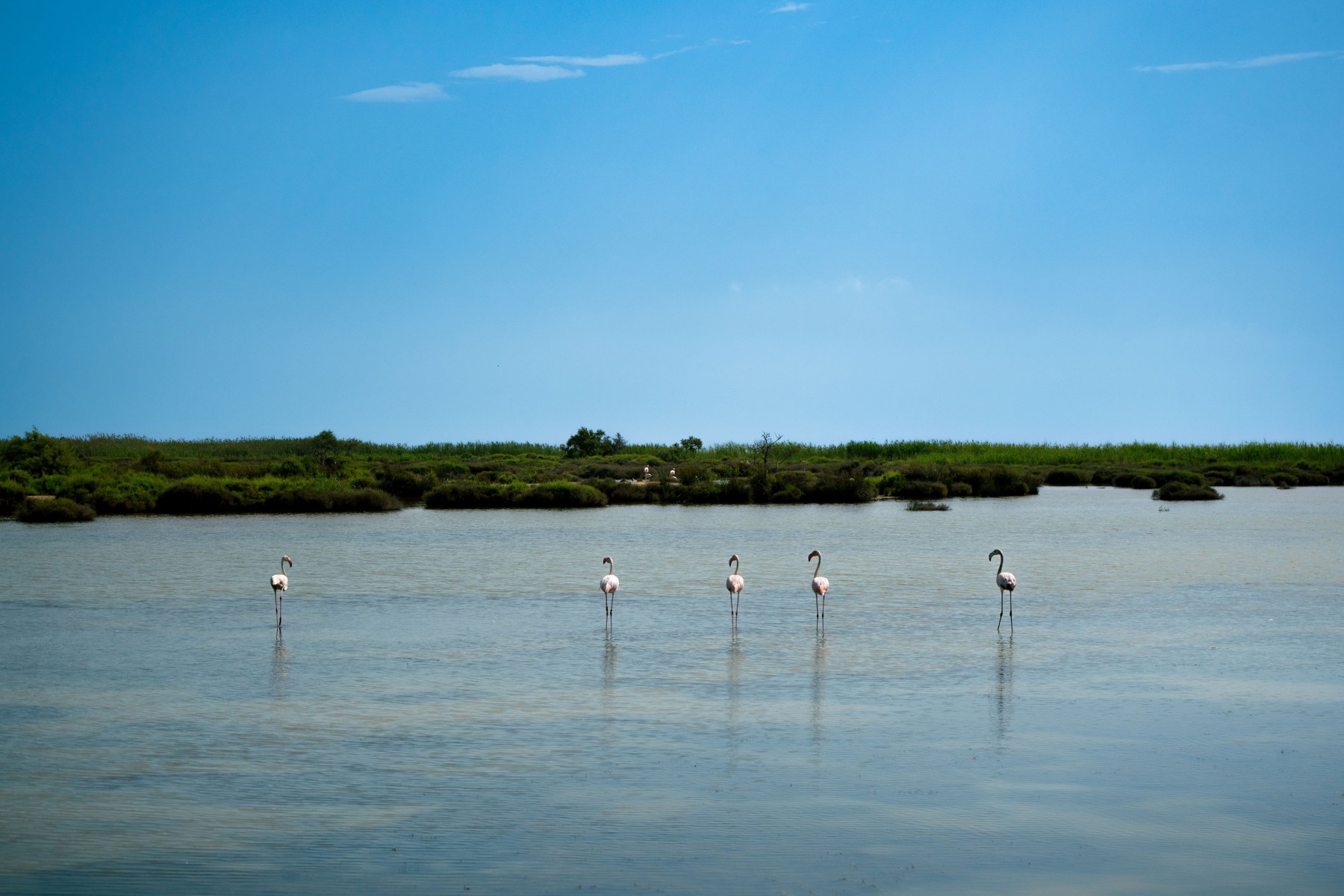
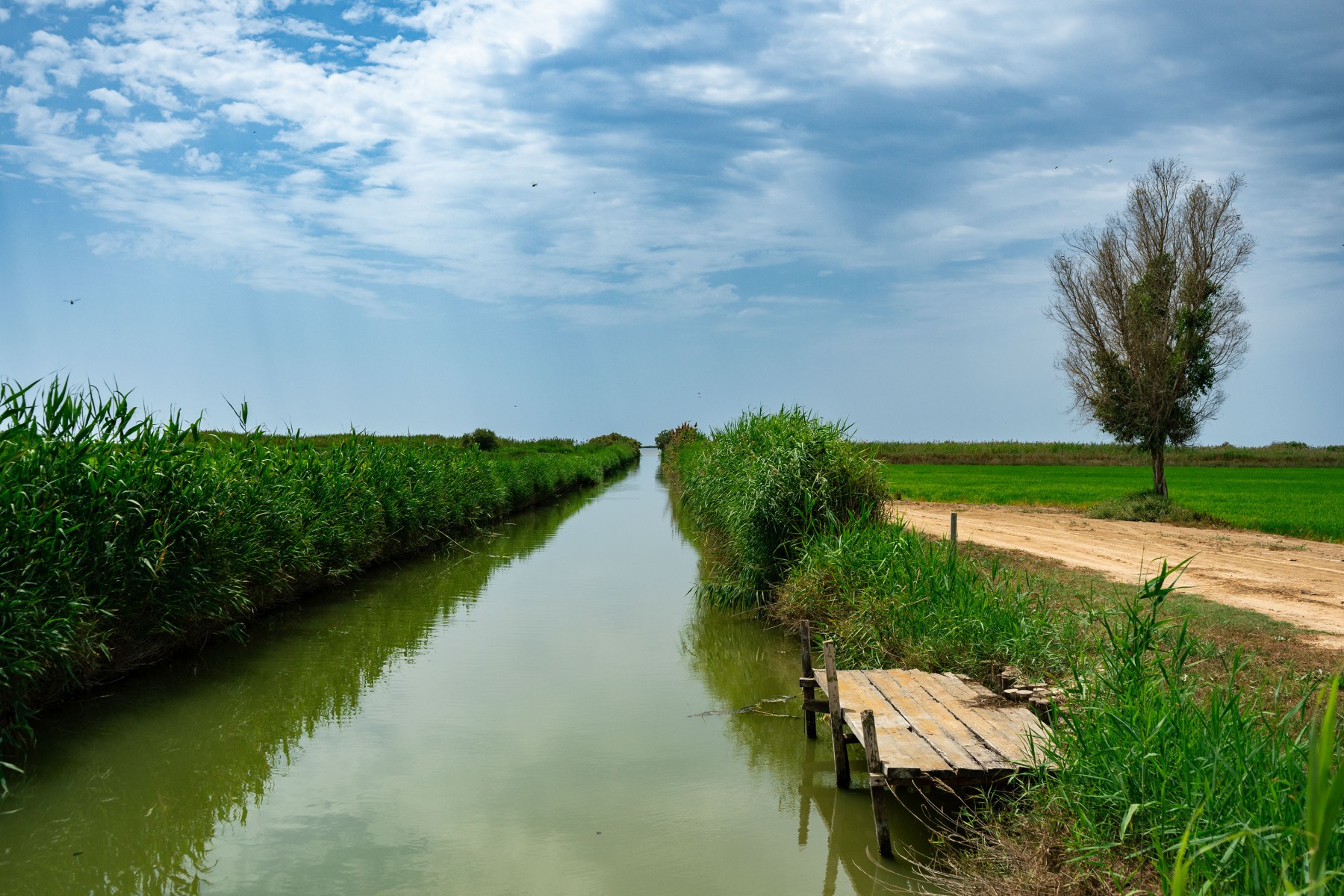
A clear example of this change is, precisely, the island of Buda. Just a few years ago, five and a half to be precise, the beach extended 150 meters further than what we see today. Storm Gloria made it retreat in just a few hours. 3,200 hectares of rice fields devastated by the violence of the sea. It will be, as Gabi Martínez explains, “the first island with climate refugees in all of Europe”. But it is not only about the island, but also about a good part of the Delta. In the meantime, its future remains unknown. The Generalitat de Catalunya and the Spanish Government continue to ponder what would be the most urgent way to save it without, so far, any large-scale action plan with tangible results having been deployed.
Guillermo Borés is one of the owners of the island of Buda. His great-grandfather bought it over a century ago, and he now manages it together with other brothers and relatives. His main businesses in Buda are rice farming and rural tourism. “If we don’t act quickly, we will be left without an island, without a Delta and without anything.” His temperament, sometimes irascible, is a reflection of the stress that the second largest delta in Europe is being subjected to. “Before, the Trabucador beach was 800 meters wide; now it’s not even 75.”
Borés is a firm supporter of the Dutch solution, which consists of using marine dredgers (ships capable of moving large quantities of sand, a kind of aquatic excavators) that take sand from the seabed and place it back on the beach. “It’s what they’ve been doing for many years in the Netherlands. It’s the fastest, most viable and cheapest solution.” When asked why it’s not being implemented, the answers always go in the same direction. “There are very strong political interests behind it. What they want is to pocket the public money that would fall to them if the transfer of sediments from the reservoirs is finally approved.”
Lack of sediment
The sedimentary route is the solution that most scientific sources that have conducted studies on the preservation of the area agree on. The Delta has stopped gaining ground in the sea, they argue, because it has stopped dragging a large amount of sediment in recent years. Of the thirty million cubic meters it originally transported, only 159,000 now remain. Just as it sounds. The reason, they explain, lies in the construction of artificial reservoirs, which attract a large part of these sediments. In this way, the material that previously reached the Mediterranean and served to widen the land surface in the water is no longer there. The solution, then, would be to make everything go back to how it was before.
The main problem is that it is not easy at all. “We are looking, through many studies, at how it could be done. It is not just a matter of opening the floodgates. You need a certain flow, that is, a sufficient force to drag them to the sea”, emphasizes Carles Alcaraz, researcher of marine and continental waters at the Institute of Food Research and Technologies. As he explains during the interview for the report, it is a solution that is not simple, but it would be the only reliable one in the long term. “We can build retaining walls on the coast, if we want. This will certainly take a few years. But the definitive solution must be to make the river drag everything that has been used to build the Delta up to now back.”
Humanity has exploited the world’s river deltas for thousands of years. Until recently, this coexistence had not presented serious problems. Today, however, the scenario is completely different: from the subsidence of the soil due to the construction of buildings (with the case of Venice as the greatest exponent) to the disappearance due to dams that cause sediment retention (this also happens in the Nile, in this case due to the effects of the Aswan Dam), through to the rise in sea levels caused by the climate crisis.
The big hidden interests
“The reason why the floodgates of the reservoirs are not opened during the river floods to be able to expand the Ebro delta is in the interests of large hydroelectric companies like Endesa.” Josep Juan Segarra is the president of the Sediment Association. For years they have been denouncing the abuses of these companies and demanding that the sediment solution be applied urgently to combat the situation.
Sediment diversions, he explains, would also be another possible solution. This has already been done in the Llobregat, with the bypasses of mining brines, using pipes to move these sediments downstream. The price, according to Segarra, would be much cheaper than using marine dredgers or the Dutch solution. “According to a study by the Polytechnic University of Catalonia, the cost of emptying reservoirs would be only 0.50 euros per cubic meter of sediment. Using dredgers, on the other hand, could skyrocket to 4 euros. Transporting sand by truck, one of the few actions that are being taken right now, is even more expensive.”