Historical context and origin
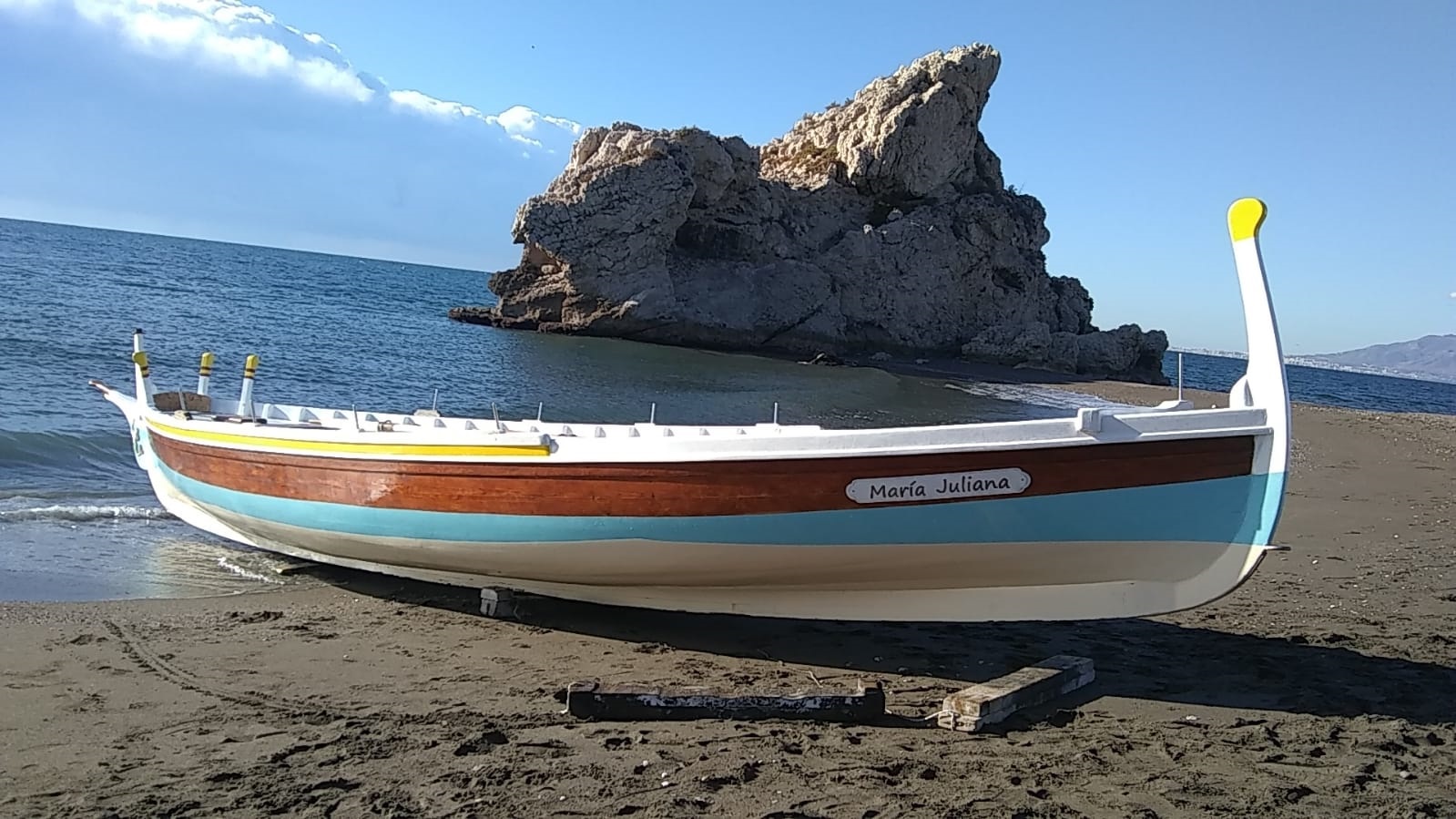
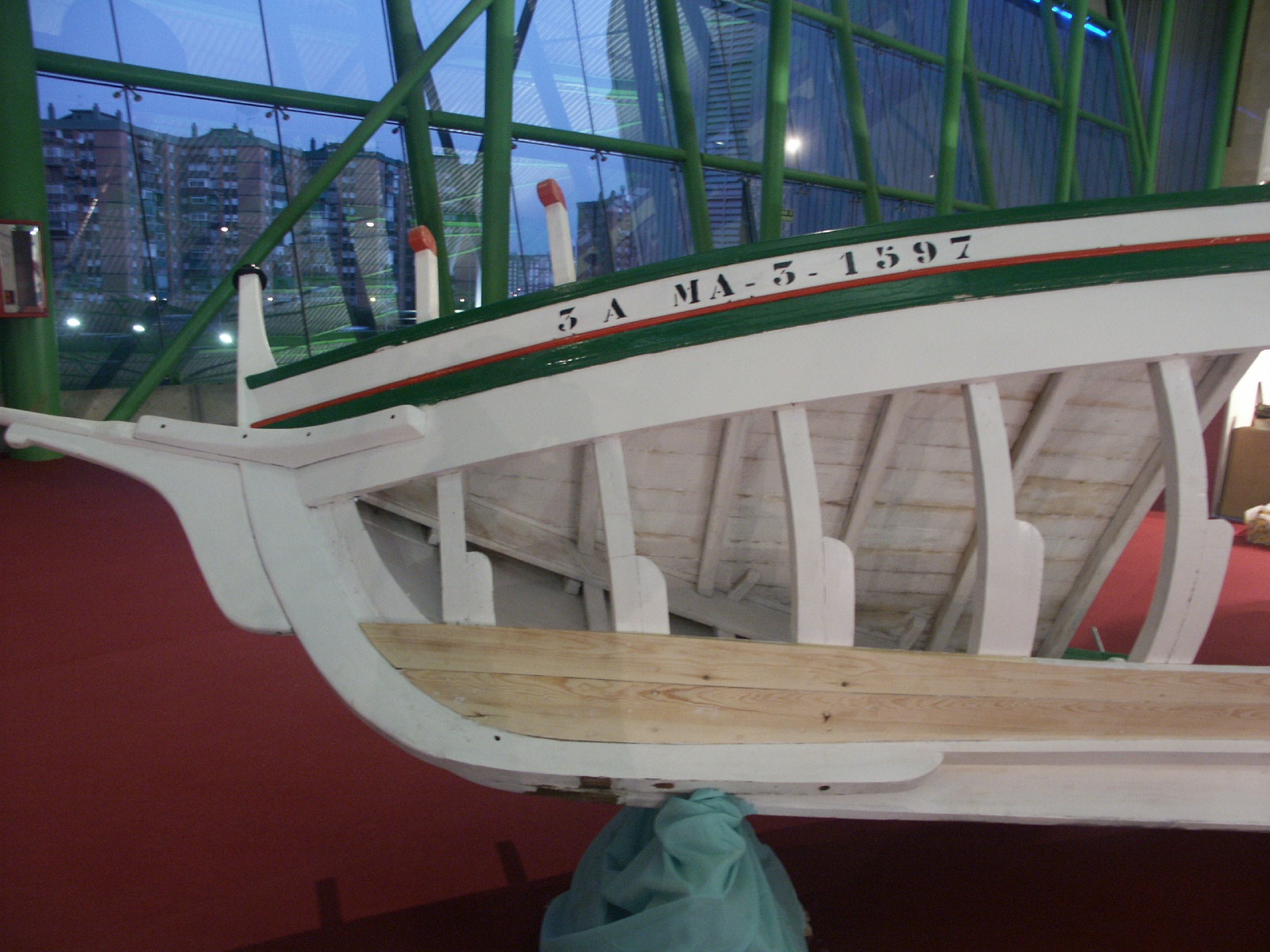
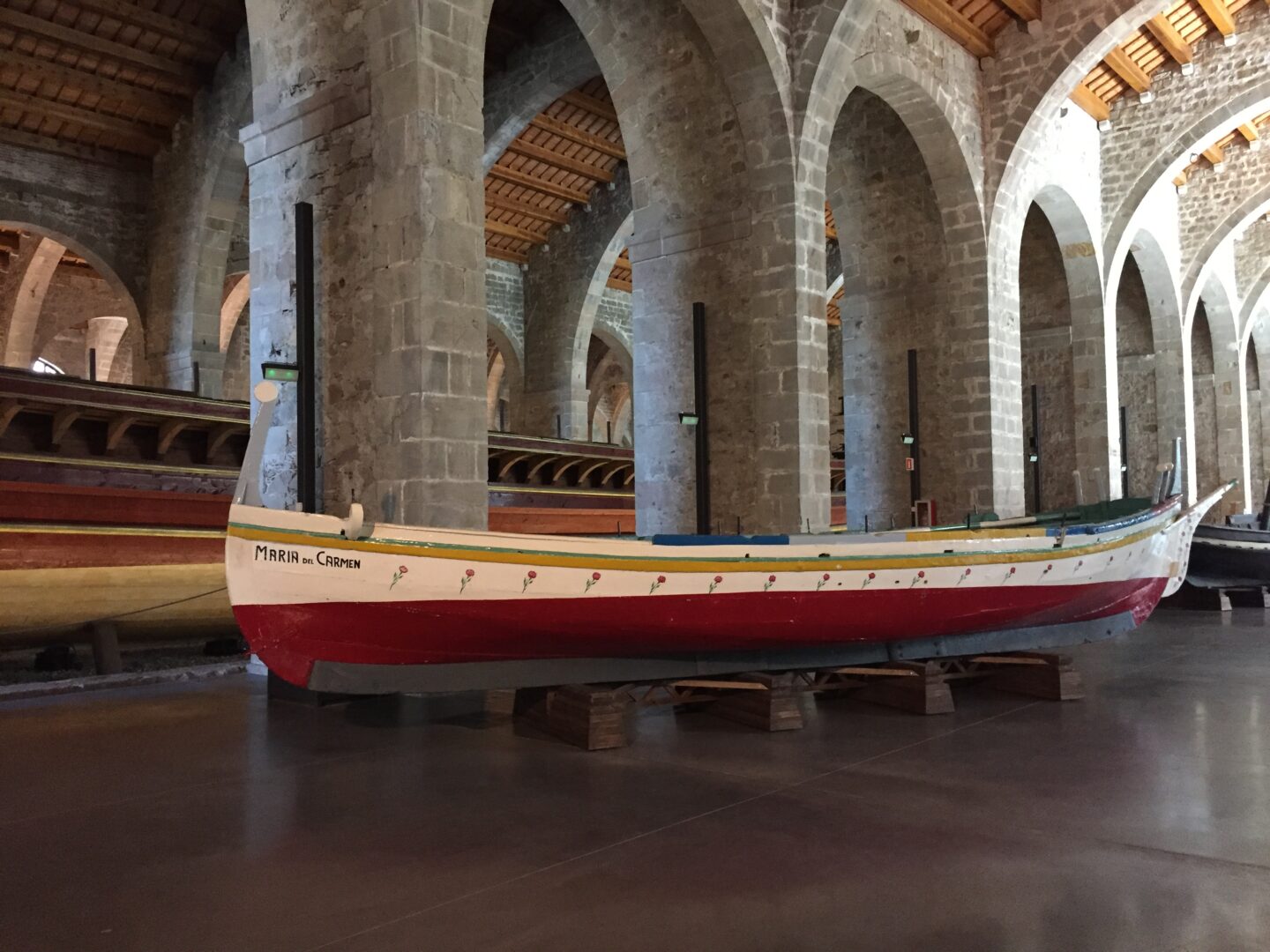
Registered on 25 February 1926 under folio 1869 of list 3a in the Maritime Captaincy of Malaga, this vessel is a reference model of the classic boat from the first third of the 20th century. Its airy and elegant lines, combined with a morphology featuring curved shapes, faithfully follow the aesthetic canon of the time; a silhouette that rigorously observes all the traditional requirements of the old jábega traditional fishing boat.
During the decline of artisanal fishing, boats like the María del Carmen were forced to compete for their space on the open sea at a clear disadvantage with the incipient industrial trawling. In addition to patiently fighting against the tide, they witnessed the emergence of the large steamships, which were part of the then powerful fishing companies. The saturation of the market through overflowing seafood hauls left the jábegas with no room for manoeuvre. Up against the law of supply and demand, the jábegas, limited as they were to the power of the people rowing them, were never on equal footing.
We don’t know who built this hundred-year-old boat, but oral tradition suggests that it was originally launched at the beach of El Palo, a neighbourhood about 5 kilometres east of the capital of Malaga, where it remained almost unrepentantly until the mid-seventies.
The María del Carmen has 25 ribs, one fewer than usual, which breaks the unwritten rule of 26 ribs for seven-oar boats. This structural difference suggests that at some point in her fishing life the boat was made a bit longer. Since this modification is not recorded in the Captaincy, this fact can either be attributed to the frequent administrative corruption of those years or to a later refurbishment that was not officially registered, which left a permanent discrepancy between reality and the registry sheet.
The 85-centimetre depth at maximum width makes it a fishing boat that, together with the length of 8.67 metres between perpendiculars and 85 centimetres of depth at the end, can be classified as a seven-oared vessel, at a time when it was already evident that the competition from intensive fishing techniques didn’t bode well for the survival of the jábega.
This piece from the collection is contemporary with the Isabel, another iconic jábega from Malaga built in 1925. While the María del Carmen landed in Barcelona in the last third of the 20th century, the Isabel crossed the Atlantic to join the collection of the Mariner’s Museum in Newport News in Virginia in 1934. This connection between the pieces from Barcelona and Virginia highlights how jábega boats have earned recognition as a unique example of maritime heritage and a jewel of Mediterranean naval architecture.
For devotees of this tradition, both boats transcend their value as museum pieces to continue being the lighthouse lantern and guide of the rebalaje (the swash). They are, in essence, a mirror where the present day of jábega boat can be gazed at so as not to forget its most profound roots.
The jábega, as a prototype of a way of life in the southern Mediterranean, did not sail alone: it existed alongside other vessels such as sardinals (traditional sailboats from Malaga) and bucetas (traditional sailboats from Galicia). Unfortunately, these types have disappeared from our beaches, an irreparable loss for seafaring heritage; the jábega thus has remained as the last witness of that now extinct maritime ecosystem.
Technical characteristics
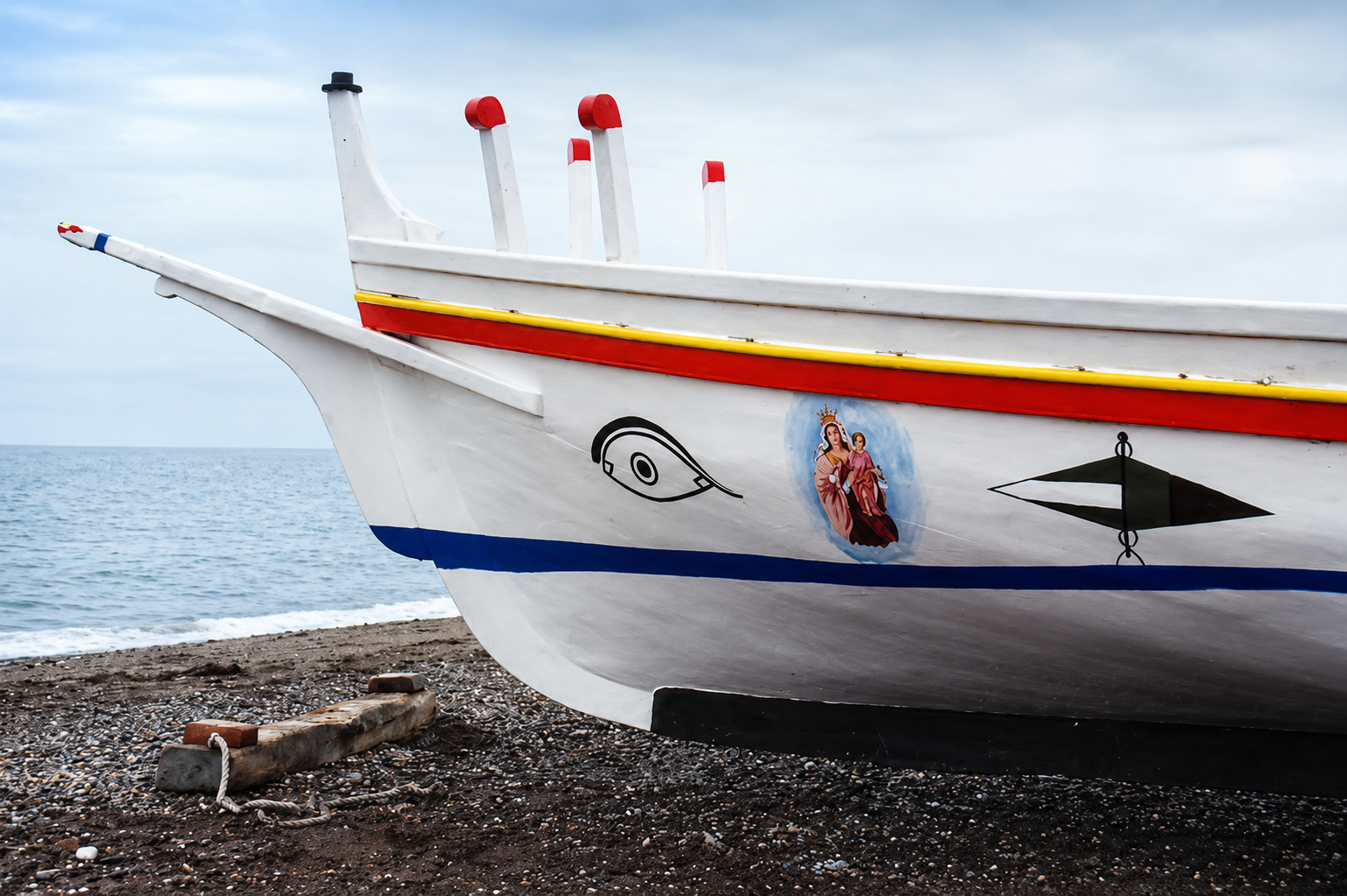
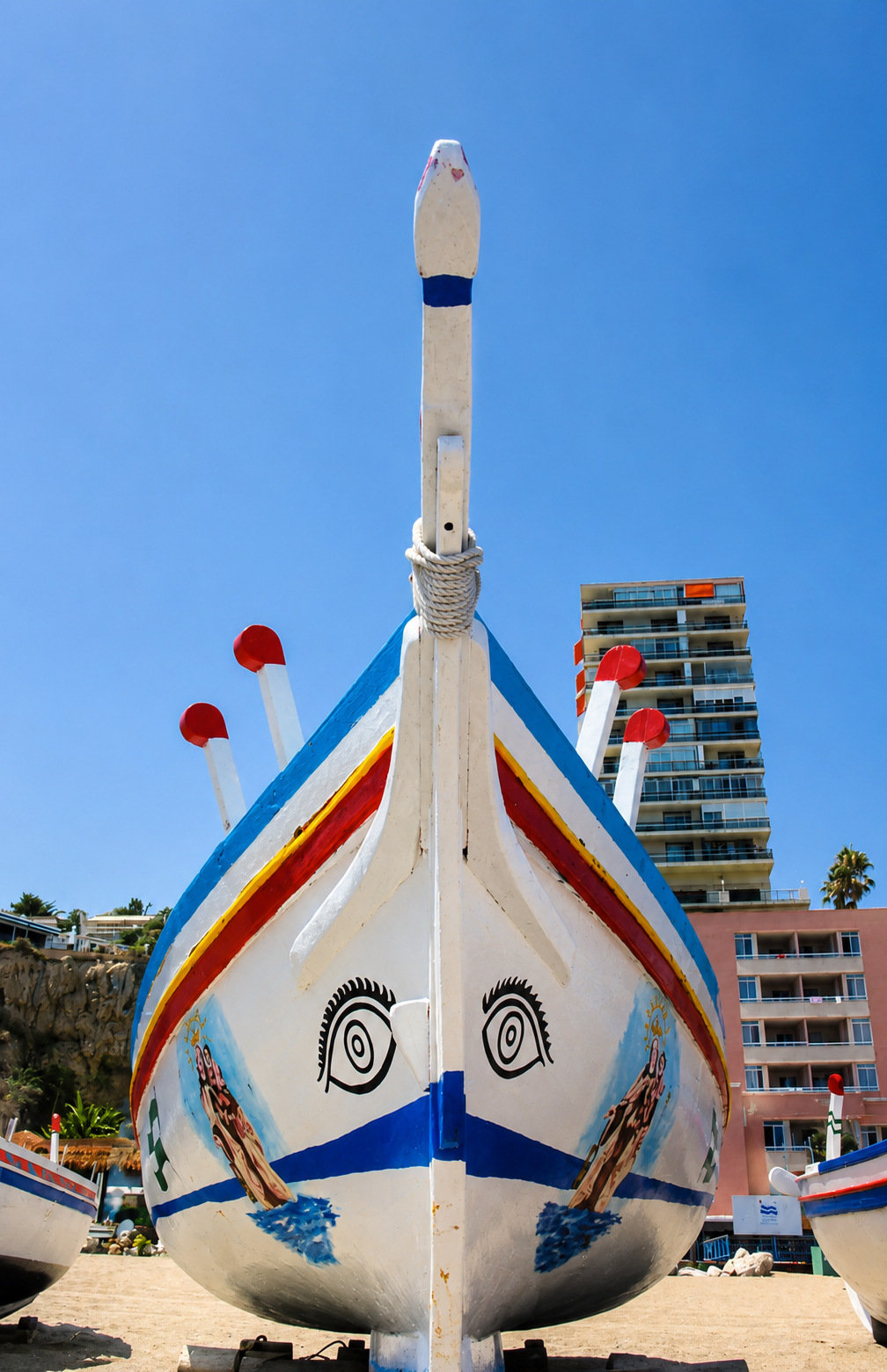
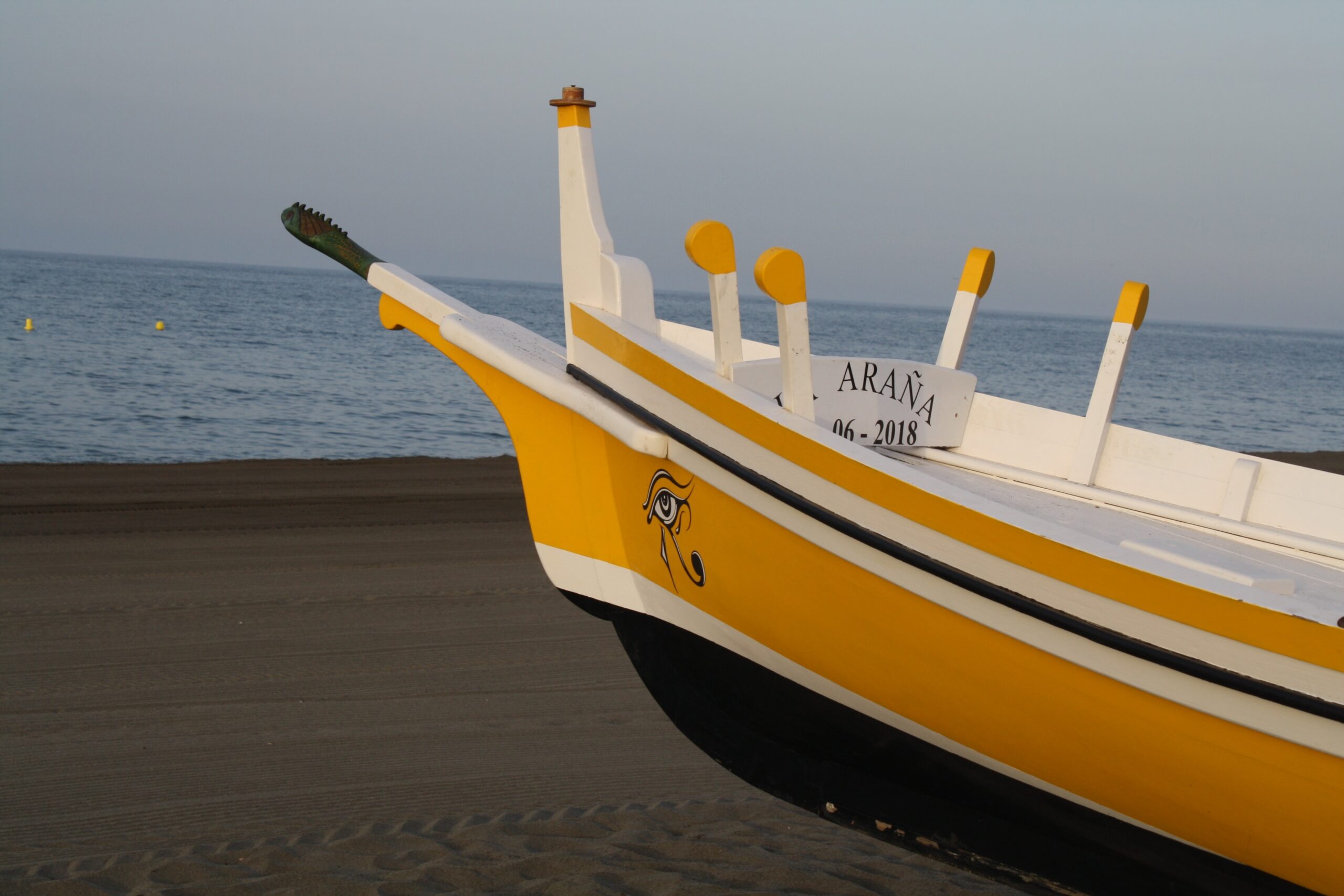
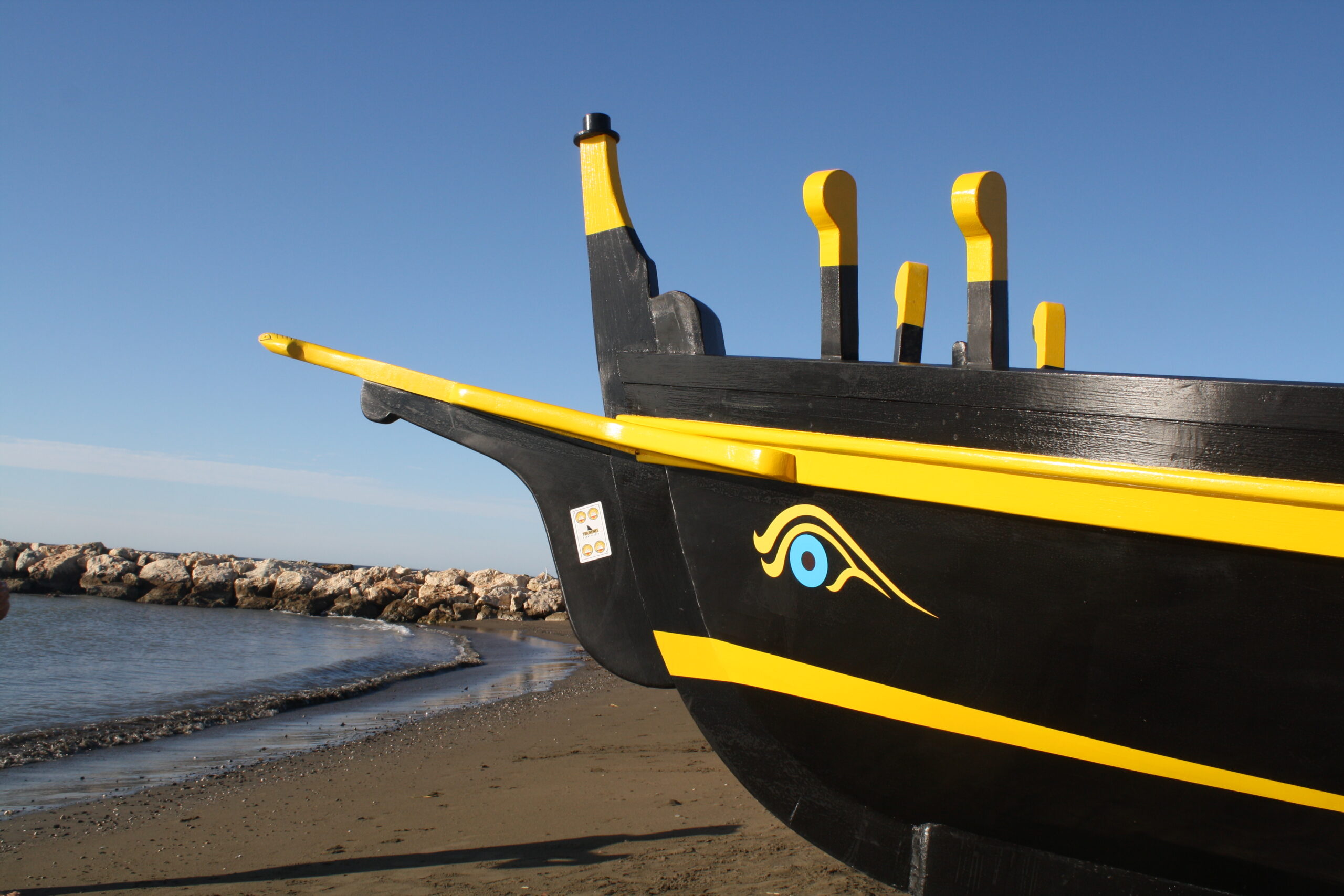
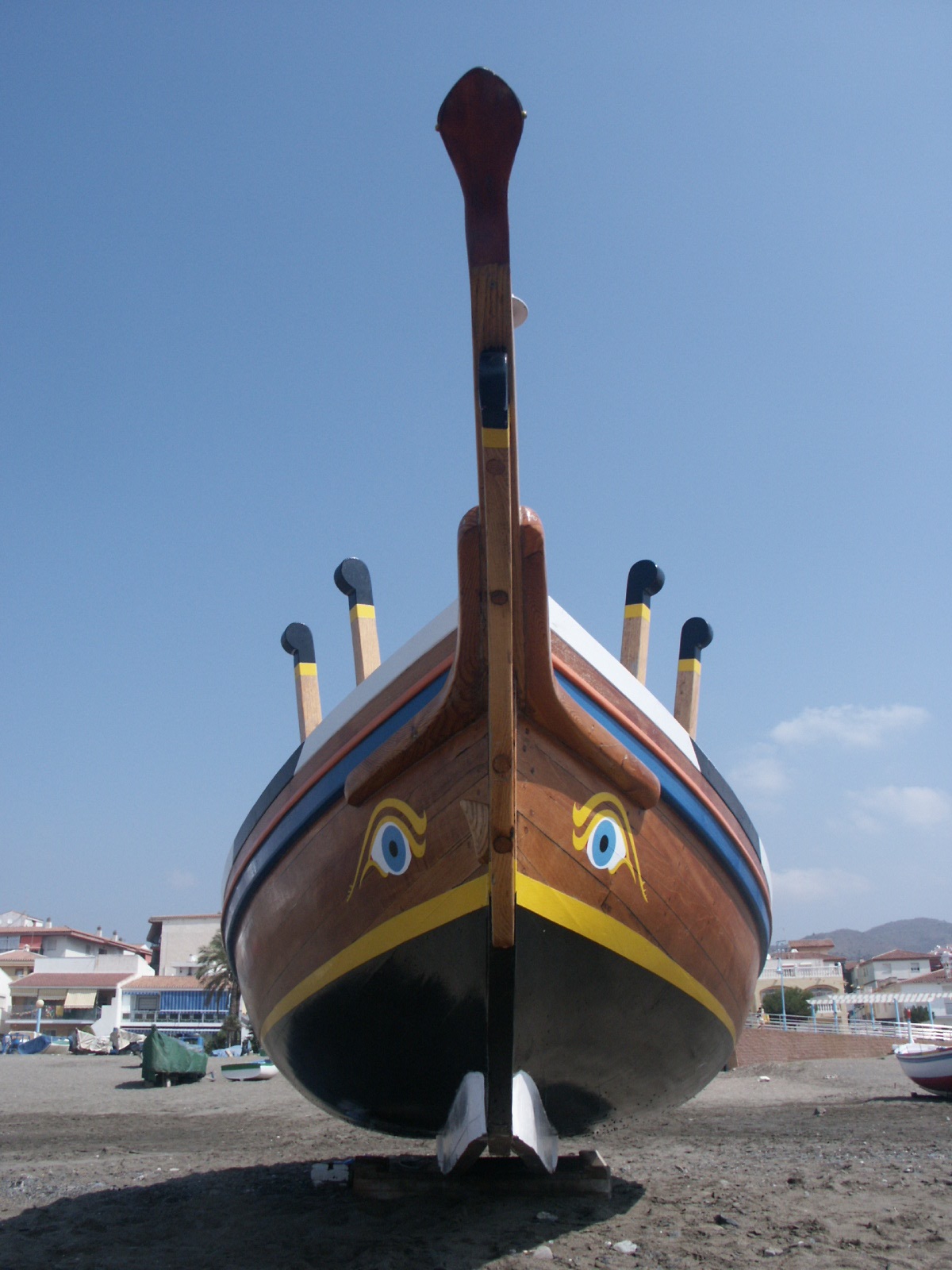
At its, the singular clipper bow, crowned by the stemhead and crossed by the ram, sports a defiant sphinx, with the head of a serpeant, that acts as a protective totem against the mythological dangers of the sea. The spar rests on the cutwater, coupled to the stern; this space has historically served as a space for representing religious iconography or traditional scenes, although today it has evolved into the corporate image of regatta clubs.
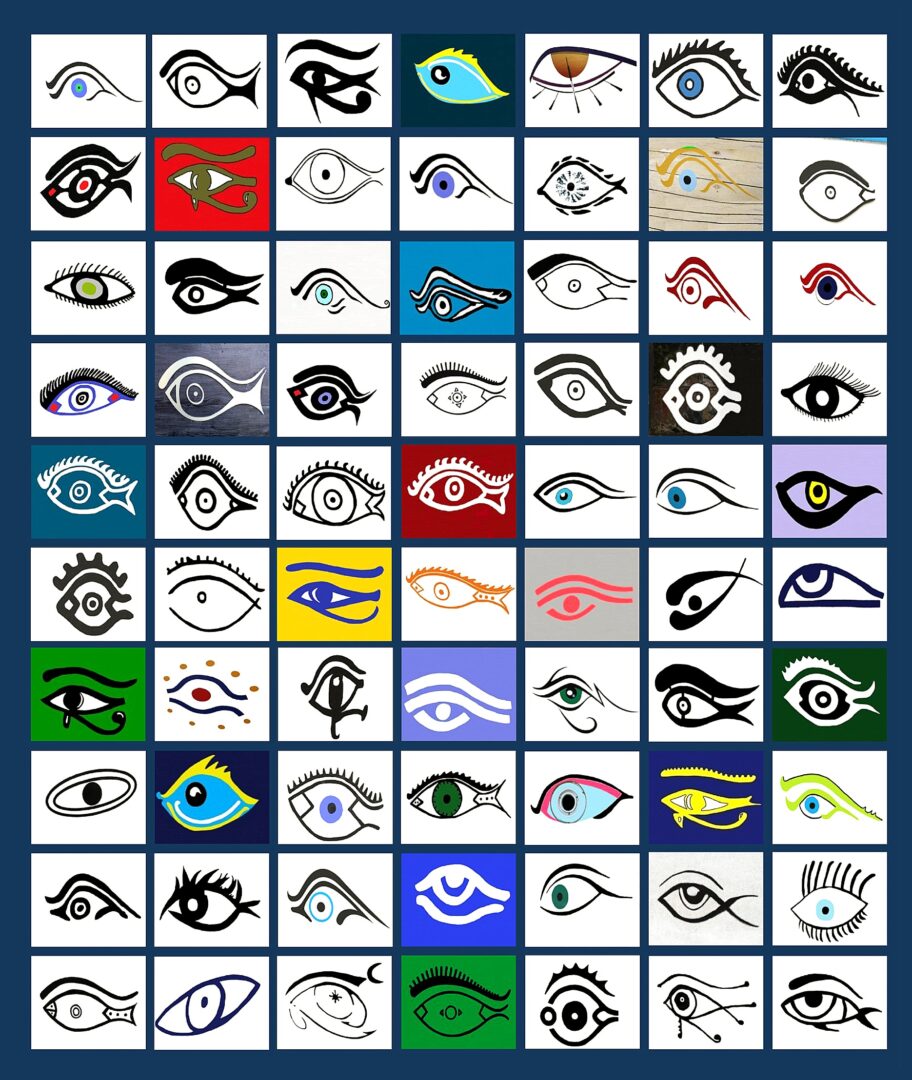
Above all, the eyes located on the fore-and-aft sides, under the bow spur, stand out. Considered a sacred symbol of life, the most recent research suggests a Mesopotamian origin for this ornament. Through the exchange between civilisations, this element would have evolved to be integrated into the primitive merchant and colonising ships that brought their ancient culture to the Mediterranean, until it became the identifying feature of our boats.
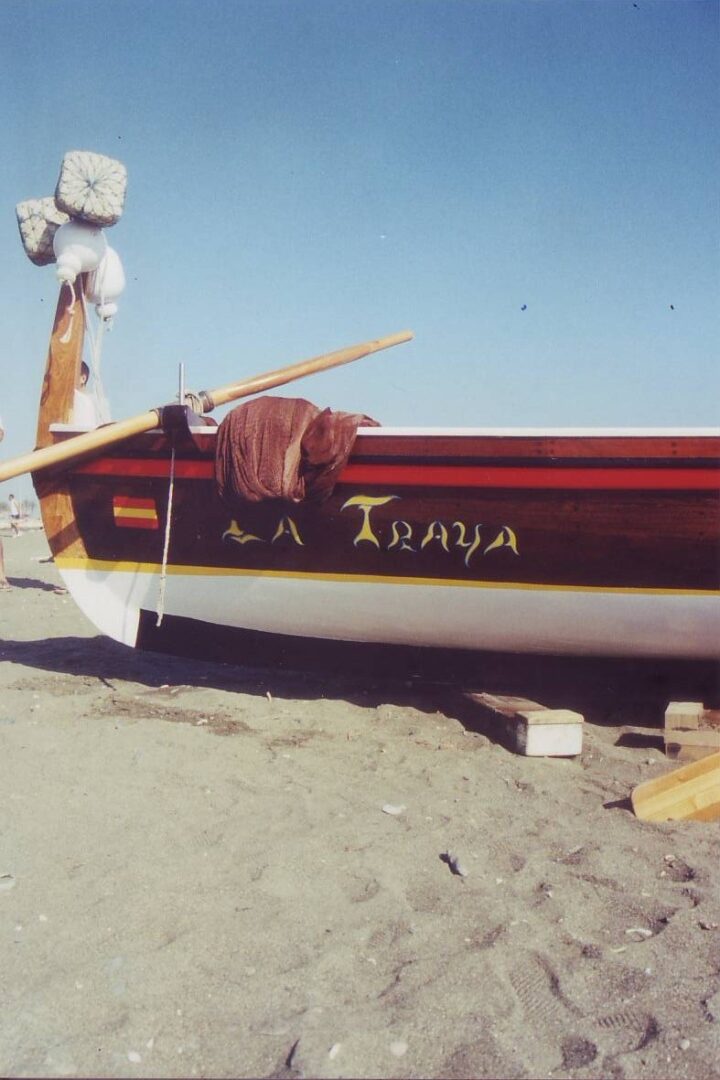
This singular arrangement of the eyes, a source of iconographic inspiration and a favourite target for photographers, constitutes one of the great distinguishing features of the jábega. Alongside it, the steering oar located on the proba side (starboard according to Xavier Pastor Quijada), together with a striking polychromy, serve as the core elements that keep the essence of this vessel intact.
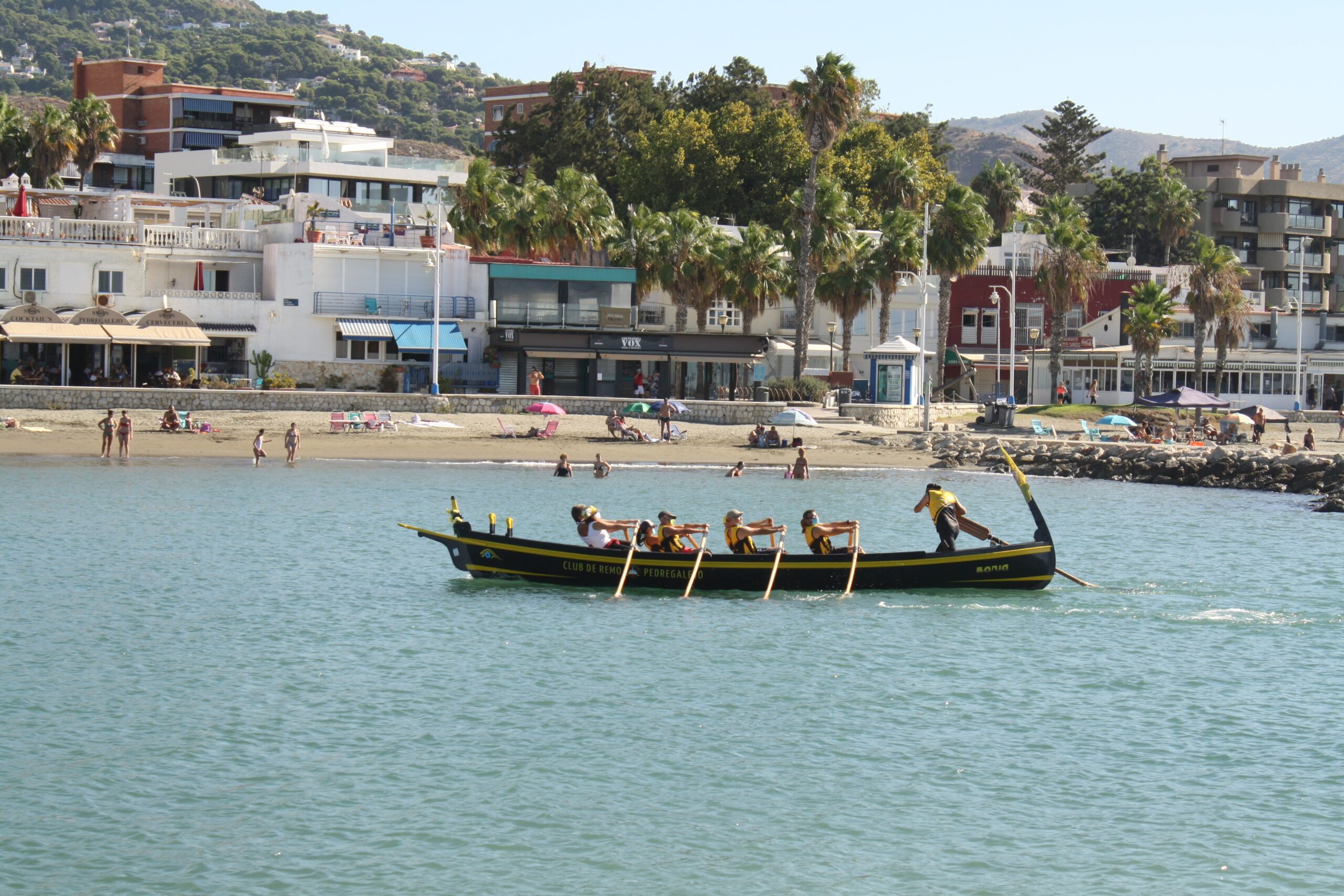
Designed for artisanal fishing, the jábega is a self-propelled beach boat by manual power that always uses an odd number of oars: seven, nine, eleven or thirteen. Historically it has no mast or sail. The singular rowing nature of this boat defines its sides as the port or corulla (following X. Pastor), also known as the banda de cuatro (four-person side) and the starboard or banda de tres (three-person side). From the stern, the mandaor steers right by handling the rudder and directs the course, evoking the Venetian style. An eighth member is also on board.
Over time, the scarce hauls and the increasing difficulty in recruiting jabegotes (fishermen) led to a change in construction. Carpenters and caulkers began to shorten the lengths; thus, the evolution from the large thirteen-oar boats to the current seven-oar ones, which were more manageable and adapted to the new reality.
This layout varies when moving from fishing to competition. In regattas, an additional participant is added, the ninth, affectionately known as metebríos. Strategically positioned right between the mandaor and the rowers, he acts as a boatswain for the sport, who spurs the rowers on and sets the pace of the oars with his shouts.
The longitudinal ridges or double lateral keels are the parts that suffer the most wear and tear from daily work. As they support the entire weight of the boat, they require rigorous maintenance by the carpenters. The contact between the ridges and the spars ―thick square wooden beams that were once slatted and are now greased to make sliding easier― is one of the most notable aspects during manoeuvres. This system allows seafarers to push the boat manually, which prevents it from sinking into the sand. This ancestral method has remained unchanged after centuries of use and has not been replaced by any other type of technology.
The forecastle has double handles on each side, which act like cleats. Their primary function is to secure the rope of the grapnel when the order is given to anchor.
Navigation and manoeuvres
The ultimate raison d’être for the jábega boat was fishing and, every day, after the fishing turns were drawn, the vessel went to her fishing spot to set the nets in daytime or nighttime spears, except when there was bad weather, it was off season or due to other reasons.
The fishing grounds were located near the beaching area. Although it was not considered a restricted fishing areas, foreign jábega boats from distant beaches, attracted by the abundance of catches, would travel to seek their fortune in distant waters, which led to friction, tensions and problems with the local boats. The fishing regulations that the skippers of jábega boats had to follow in the province of Malaga, which were compiled by Benigno Rodríguez Santamaría in his Diccionario de artes de pesca (1923), are an example of the serious controversies and disputes arising from the manoeuvres and navigation of these boats.
The dimensions of the mesh and, especially, of the yoke of the net, which was sometimes highly selective, was another of the common conflicts in the sector, especially during off seasons, in addition to the coexistence with other proximity types of boats that were rarely monitored and at the same time prohibited at certain times, such as the sweep net and the birorta.
The mandaor, in addition to the functions entrusted to him such as keeping order and watching over the boat, launching, fighting the waves in rough weather, setting sail and, ultimately, piloting the boat, guided by the alignment of the marks on the ground to avoid the agarraeros or underwater rocks, managed the boat in all its aspects. The jábega worked in medium waters, around 40 metres deep and less than half a mile from the coast, in what was called the restinga, or shallows.
Hauling in the net while directing the operations, ensuring it didn’t break or burst, without resorting, to the extent possible, to the sotorráez (the boat’s second in command who also was in charge of mending the nets) was another of the usual concerns in incidents.
Family members, porrinos de tierra (day labourers on the beach) and all kinds of onlookers approached, seeking some reward by trying to take advantage of the leftover scraps.
Finally, the skipper had to personally direct the auction, keeping fraudsters at bay and settling debts to ensure the business was running properly before distributing the haul.
The Technique of Fishing
The professor and philologist Ramón Crespo Ruano maintains that, for some etymologists, such as Barcelona’s Joan Coromines, the term jábega as a net arises from the Arabic šábaka, from the root šábak (to entangle, to intertwine). However, Manuel Alvar maintains that the same word jábega / šábaka over time diachronically acquired two meanings: first the net and then the ship.
Sáñez Reguart, another Barcelona native, already at the end of the 18th century, recorded that the jábega as a fishing technique was “the most common and profitable for those on our coasts of the Ocean and the Mediterranean, from the Gulf of Roses to the mouth of the Guadiana River”.
Jábega has always been considered a poor man’s technique. It operated under the share-based system, where the high number of workers contrasted with the meager yields and scarce profits to share.
Trawling or shooting fishing, using an ancient technique, was done directly from the shore, in shallow waters, flat bottoms and without rocks. The gear is made up of two lateral bands or legs that end in a truncated conical bag where the fishing product, especially sardines and saithe, was housed. Once the gear and the moorings were placed in the boat, the tide was tested to determine the current. Once the tip of the fishing line was left on the ground, the boat rowed in a direction perpendicular to the coastline, moving away from the rebalaje, and the gear was lowered. Having formed a semicircle, they returned to the starting line, letting the cabo arribaero ashore on the other side. The jabegotes, plus those who remained on land by means of the tralla (rope held on the shoulder in a sling) and attached to the drag beta, proceeded to pull the craft, leaving in the collective subconscious those incomparable traces of those men bent forward due to the hardness of the effort and always with their backs to the sea, until the yoke of the net touched land, initiating the bidding of the buyers.
Later, the famous figure of the cenachero, a sort of public crier, appeared on the scene. This word, not included in the Spanish Royal Academy, represents the person who, proclaiming the excellence of his fresh merchandise, sold fish with individual baskets (cenachos in Spanish) hanging from his arms as handles, always roaming from place to place. This figure has been a source of inspiration for painters, sculptors and poets.
The abundance of anchovy and sardine hauls laid the foundations of the culinary identity of the rebalaje (swash). For now, this tradition survives in the espetos (skewers) and moragas (night time festivals) that define the landscape of our xiringuito beach bars.