The history of Licor 43 begins with Joaquim Coello, one of the pioneers of ocean sailing in Spain. This Empordà native, who became passionate about sailing in Sant Feliu de Guíxols sailing a snipe along the Costa Brava, marked his first great success with the Gudrun IV , a boat that he designed and built himself, and with which he completed the Ruta del Rom, the Atlantic crossing between Saint-Malo (France) and Pointe-à-Pitre (Guadeloupe), in 1978. He was the first Spaniard to do so.
That achievement projected him as the best nautical sportsman of 1978, which was the springboard towards a long-dreamed-of project: building the first Spanish sailboat to participate in the Whitbread Round the World Race, the four-leg round-the-world regatta. The start of the third edition of the regatta was scheduled for September 1981, and Coello set to work to be there, although it was not easy, given the limited popularity of ocean sailing in Spain at that time.
He obtained a scholarship from the College of Naval Engineers (one million pesetas), carried out hydrodynamic tests in Madrid and achieved a pioneering milestone in Spain: the financial support of Licor 43 to build the boat and participate in the regatta. Coello commissioned the construction to the shipyards of the Empresa Nacional Bazán, in Cartagena, which he knew well from having worked there.
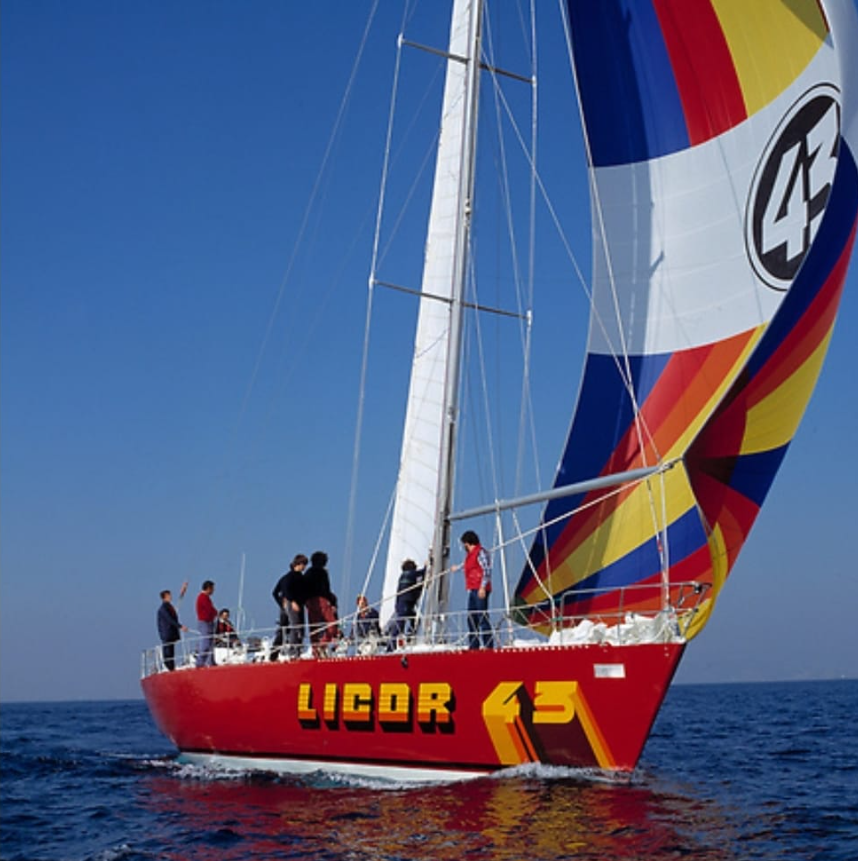
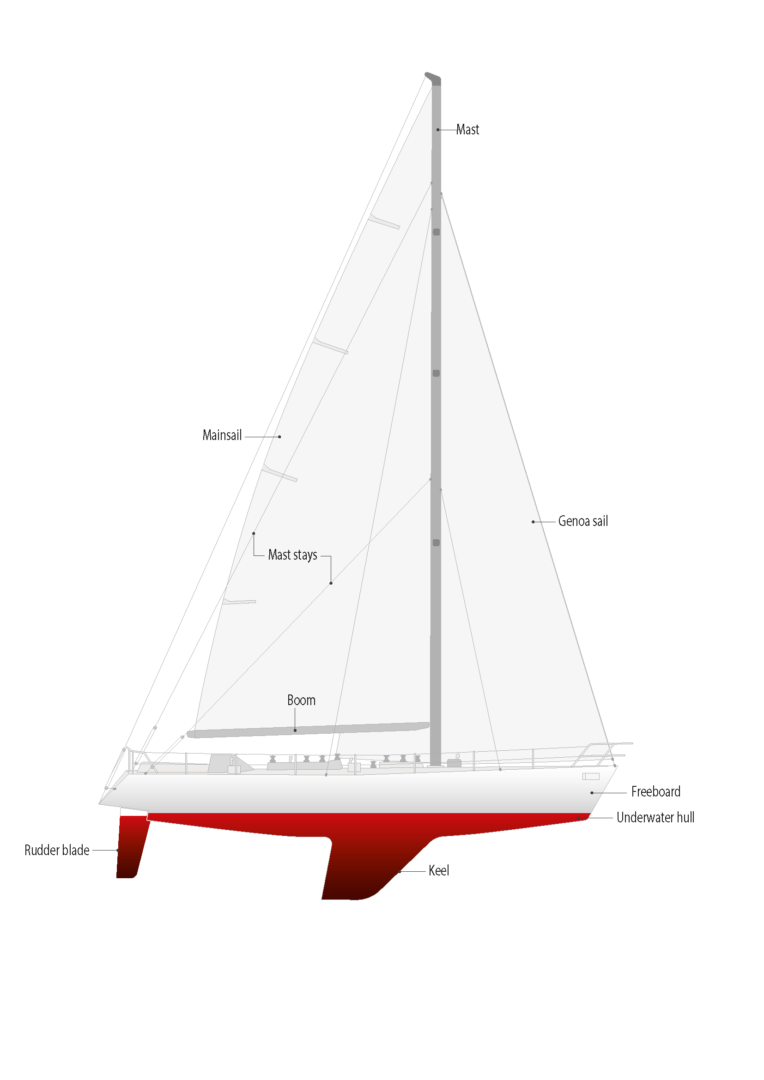
On January 8, 1981, the Licor 43 was launched, the first Spanish ocean-going sailboat specifically designed to circumnavigate the world and the first major professional sailing project sponsored in Spain. Coello, a naval engineer, designed the boat together with Pedro Morales to withstand: “There were no specialized boats for a circumnavigation of the world. We made a very strong boat, made of aluminum… but it ended up being too heavy.”
Whitbread 1981: The epic of two mast breaks
The Licor 43 set sail from Portsmouth with a carefully selected, all-Spanish crew. “The human factor was fundamental,” says Joaquim. “After the first leg, when we arrived in Cape Town, we saw clearly that we would not win. My main concern was: How to motivate? “Finish the race at all costs” was the answer.”
The second stage, in the dreaded Indian Ocean, was the biggest challenge. And there the first chapter of the epic began. In a storm with 60 knot winds and strong waves, the ship increasingly had a tendency to lurch, until a huge wave capsized it. “It was night and there were three of us on deck. We were sailing at about 18-20 knots, with a foresail and a jib with a pole. When we capsized, when we hit the water, the pole broke the mast.” With the boom as a mast, they managed to assemble a makeshift rig and travel the 2,300 miles that separated them from Hobart.
There, a new mast awaited them, which they had already agreed with the manufacturer as a replacement. They installed it just in time to set off on the third leg. However, 150 miles from Cape Horn, the mast broke again. “There was no excessive wind. What happened was that, when cutting the mast into four pieces to transport it by plane, one of the cutting points coincided with the halyard box of the pole, an area prone to cracks. I was already afraid of something like this, and that’s why I climbed the mast every two days to inspect it.”
And here is the second chapter of the feat: they mounted a second makeshift rig with the upper section of the mast; the first Spanish ship to cross Cape Horn in a regatta did so at four knots, with an improvised 11-meter mast and a rig with two poles in the shape of an inverted sail at the stern.
They managed to reach Mar del Plata, where they picked up a new mast with which they rejoined the regatta and finished in Portsmouth in nineteenth position after 160 days of sailing.
Today, the Licor 43 is the only monohull in a round-the-world stage race that, having suffered two mast breaks, has managed to rearm twice with makeshift rigging and complete the regatta, an extraordinary and unique milestone in the history of ocean racing that will probably never be surpassed.
The seed of ocean sailing in Spain
The Licor 43’s round-the-world voyage marked a turning point in Spanish sailing. Despite the precariousness of resources, Joaquim Coello’s team paved the way for future projects to follow. The regatta was a school of thought and continued. To name a few, Toni Guiu, at 19 years old, was the youngest crew member, and together with Jordi Brufau they co-sponsored the Fortuna Lights in the following edition in 1985, the second Spanish boat in the regatta.
The Licor 43 experience was a novelty loaded with lessons for the Spanish projects that came after. The breakdown of the refrigerator in the first stage forced them to ration their provisions and even to fish. They experimented for the first time with freeze-dried food and Nandu Muñoz, with his medical degree completed, created a school in the study of food and water rationing, the design of the first aid kit and a first aid manual on board. Hundreds of young sailing enthusiasts were inspired by the feat, and the media discovered ocean sailing.
Renaissance in the Baltic
The Licor 43 was lost to trace. Its wake seemed to fade until it resurfaced in the Baltic Sea. In 1992, it was acquired by a group of Lithuanian sailors to participate in the Great Columbus Regatta.
The sailboat sailed to the Lithuanian port of Klaipeda for a thorough renovation, and renamed Laisvė (‘freedom’ in Lithuanian) became the pride of the young Baltic republic in the midst of national reconstruction.
After crossing the Atlantic and achieving a creditable fourth place, the Laisvė set off a year later on an unconventional round-the-world voyage: sailing east, visiting ports with a diplomatic and emotional objective: to carry the message of the new, free Lithuania.
On December 23, 1994, the Laisvė crossed Cape Horn again, 13 years later. This time with full rigging. It was the first time in Lithuanian history that its flag flew at the most feared cape in navigation.
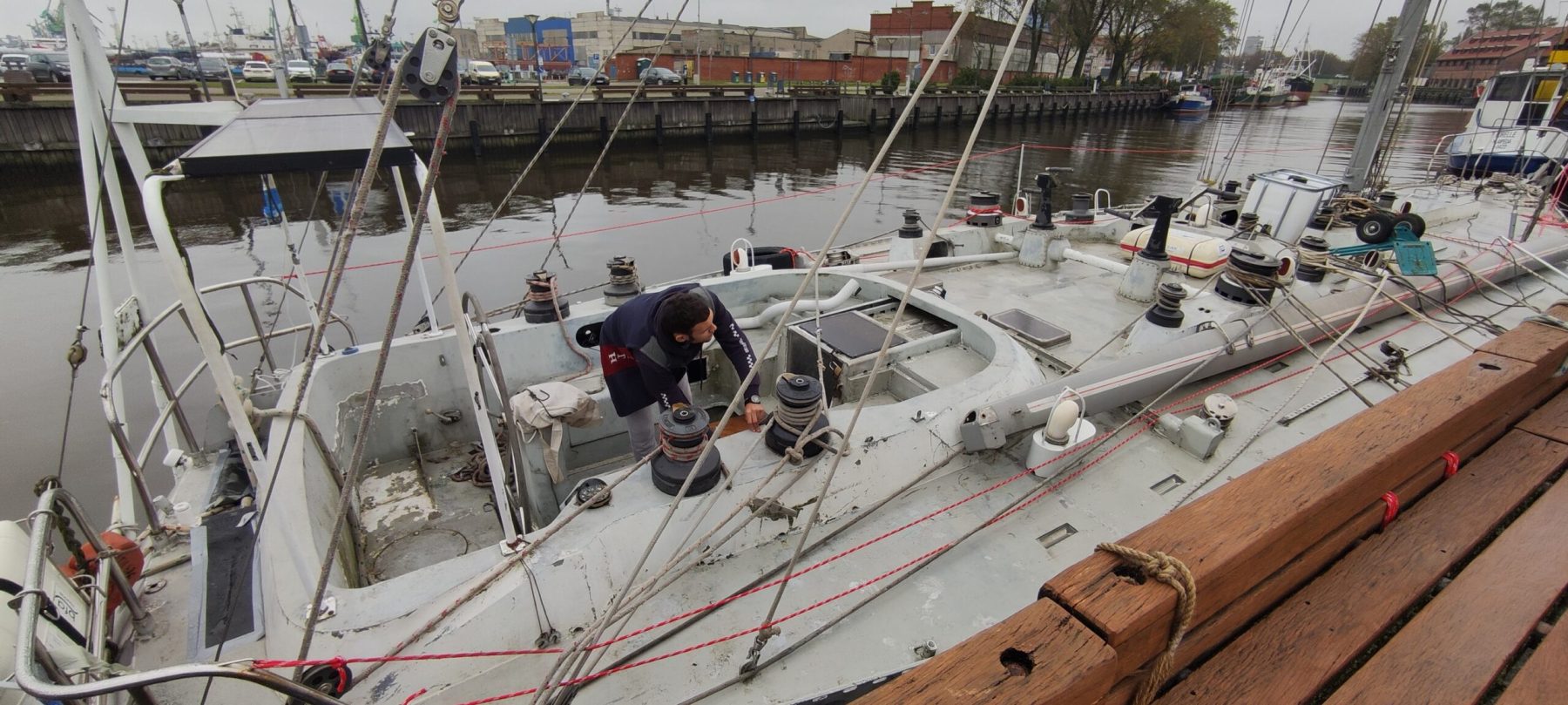 Start of restoration work at Licor 43 in Klaipeda. Photo: A. Vjuns.
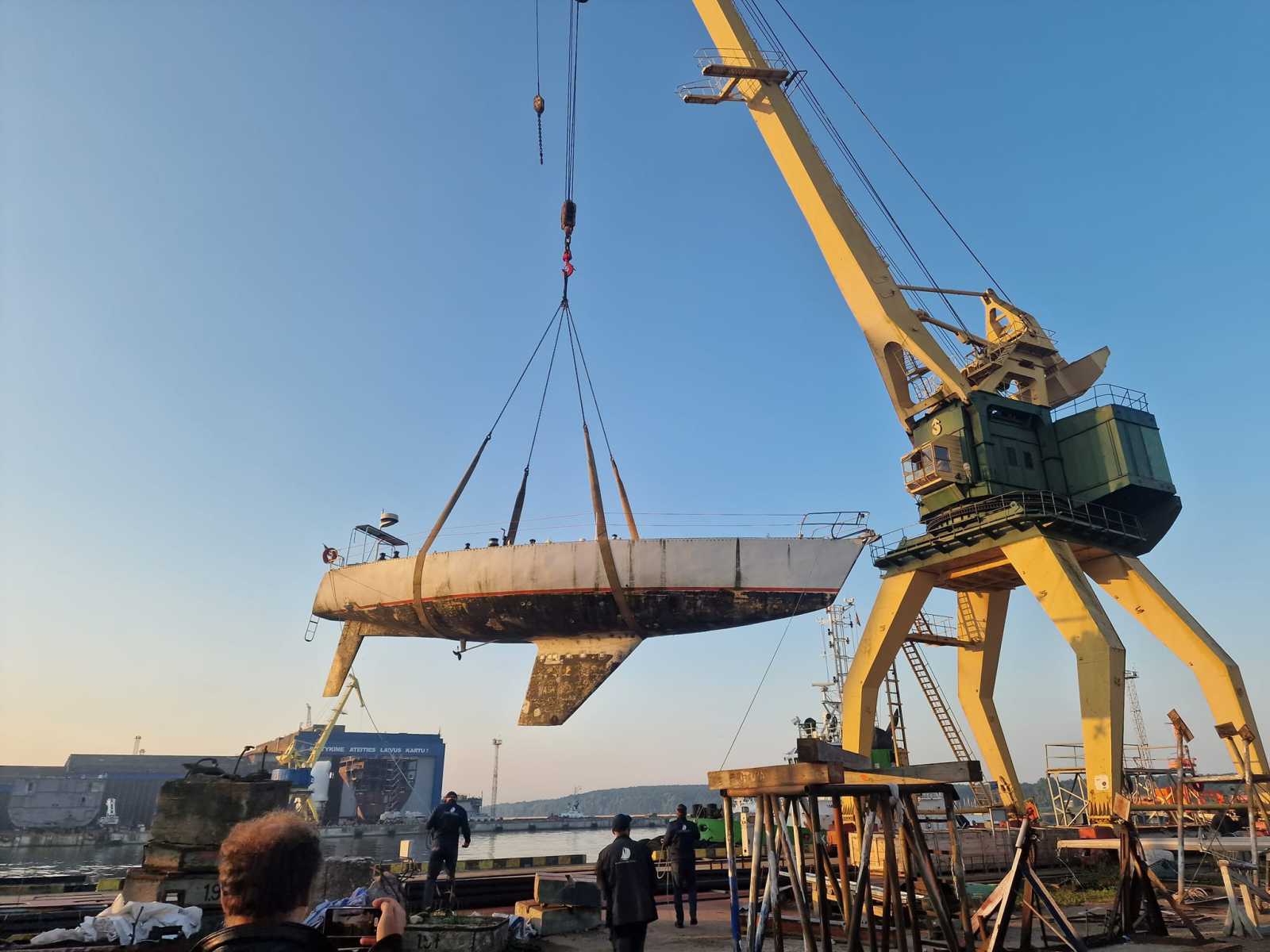 The Laisvė (ex-Licor 43) returns to the water after 20 years. Photo: A. Vjuns.
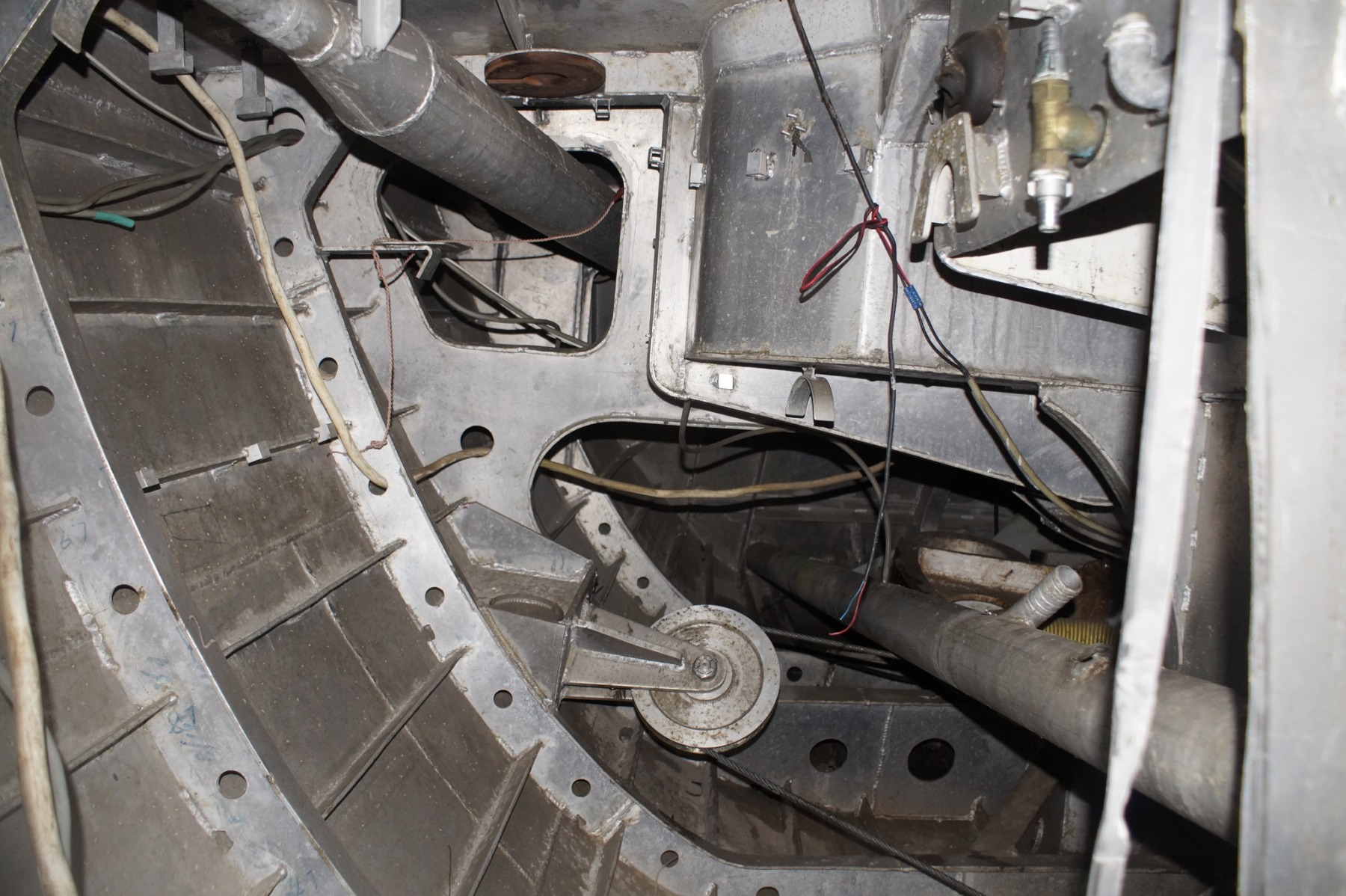 Interior of Licor 43 before its complete restoration. Photo: A. Vjuns.
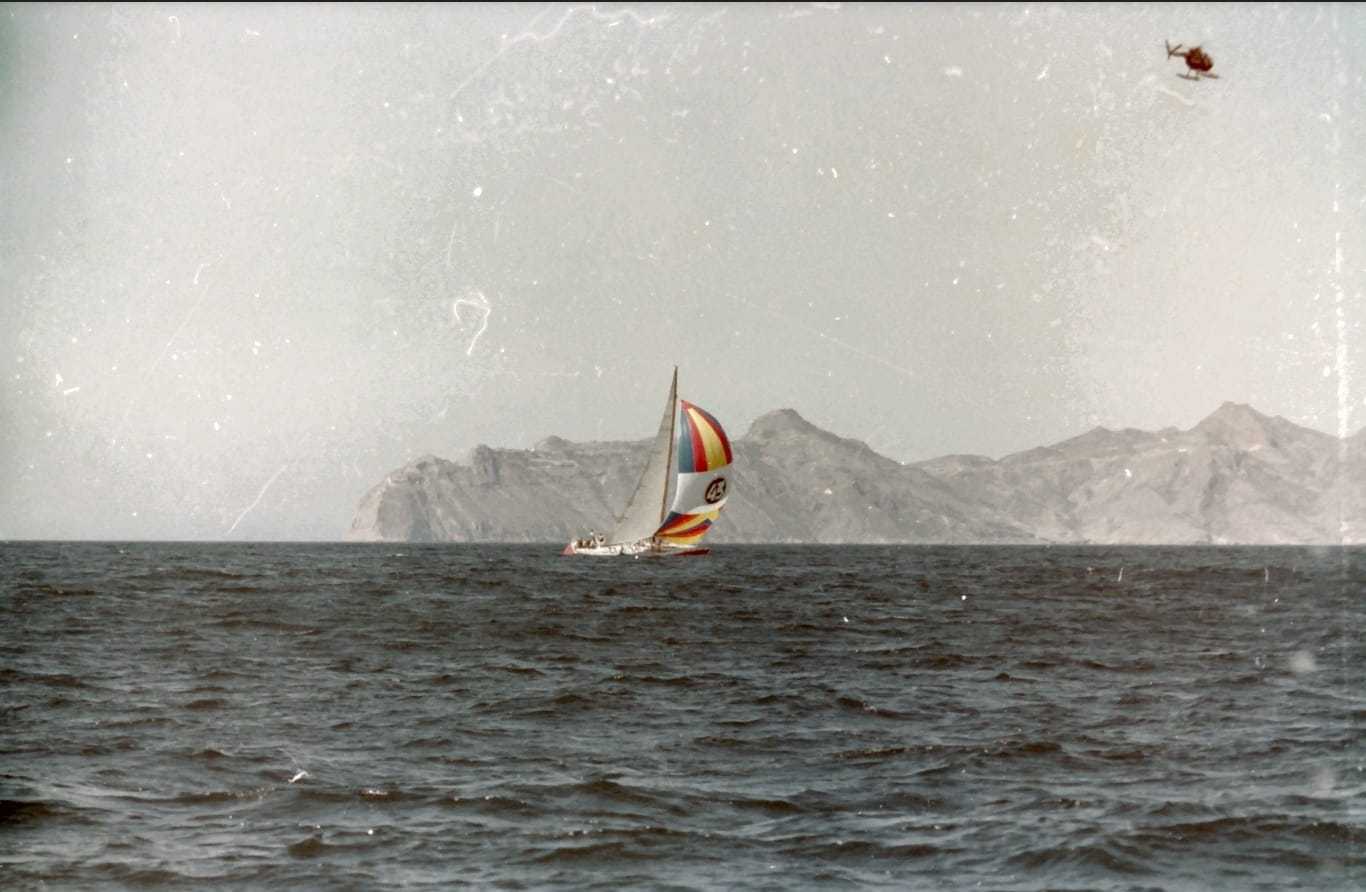 Licor 43 arriving on the coast of England to finish the 1981 Whitbread. Photo: MMB.
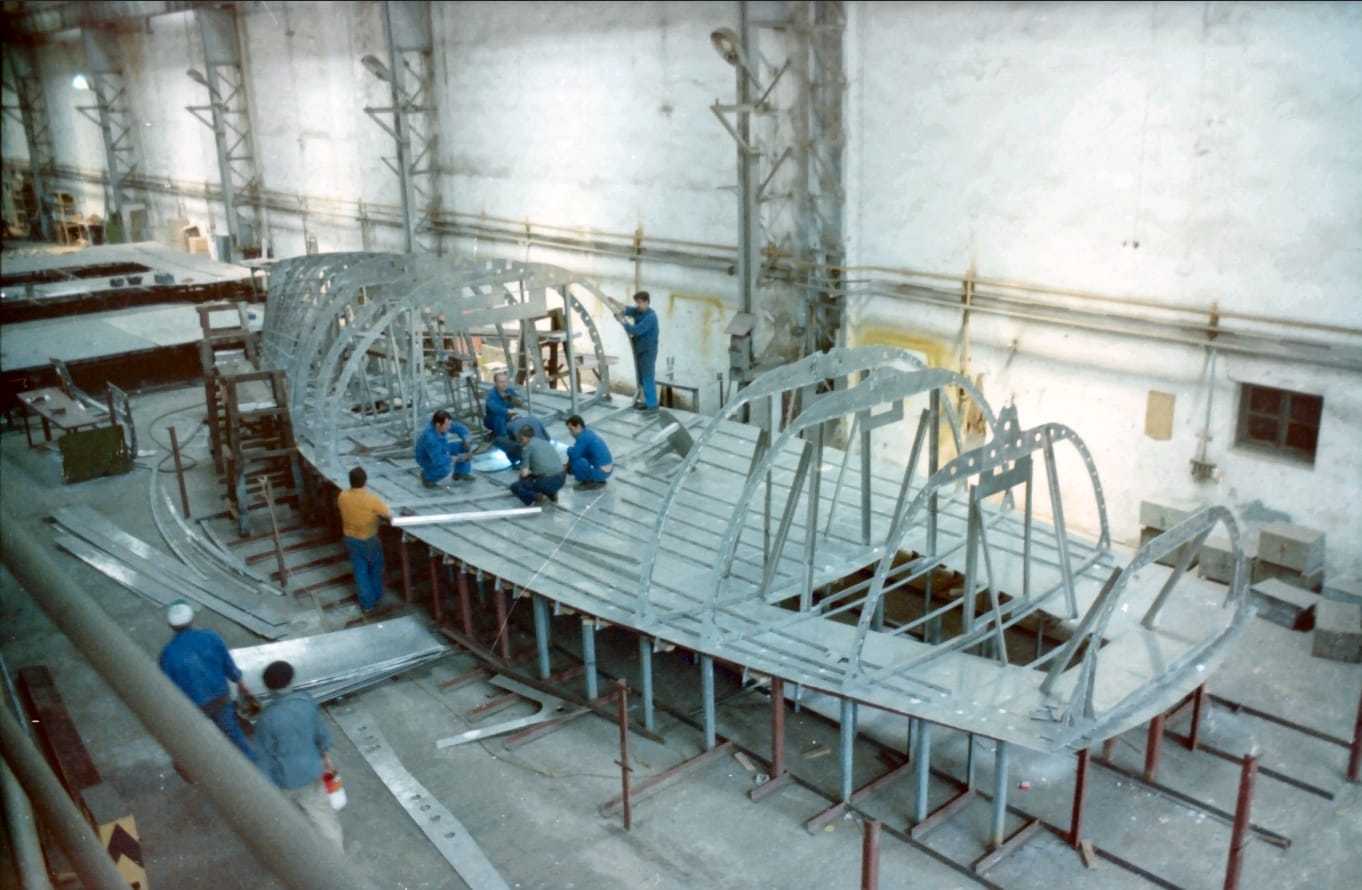 Construction of the Licor 43 ship. Bazán Shipyards, in Cartagena. Photo: MMB.
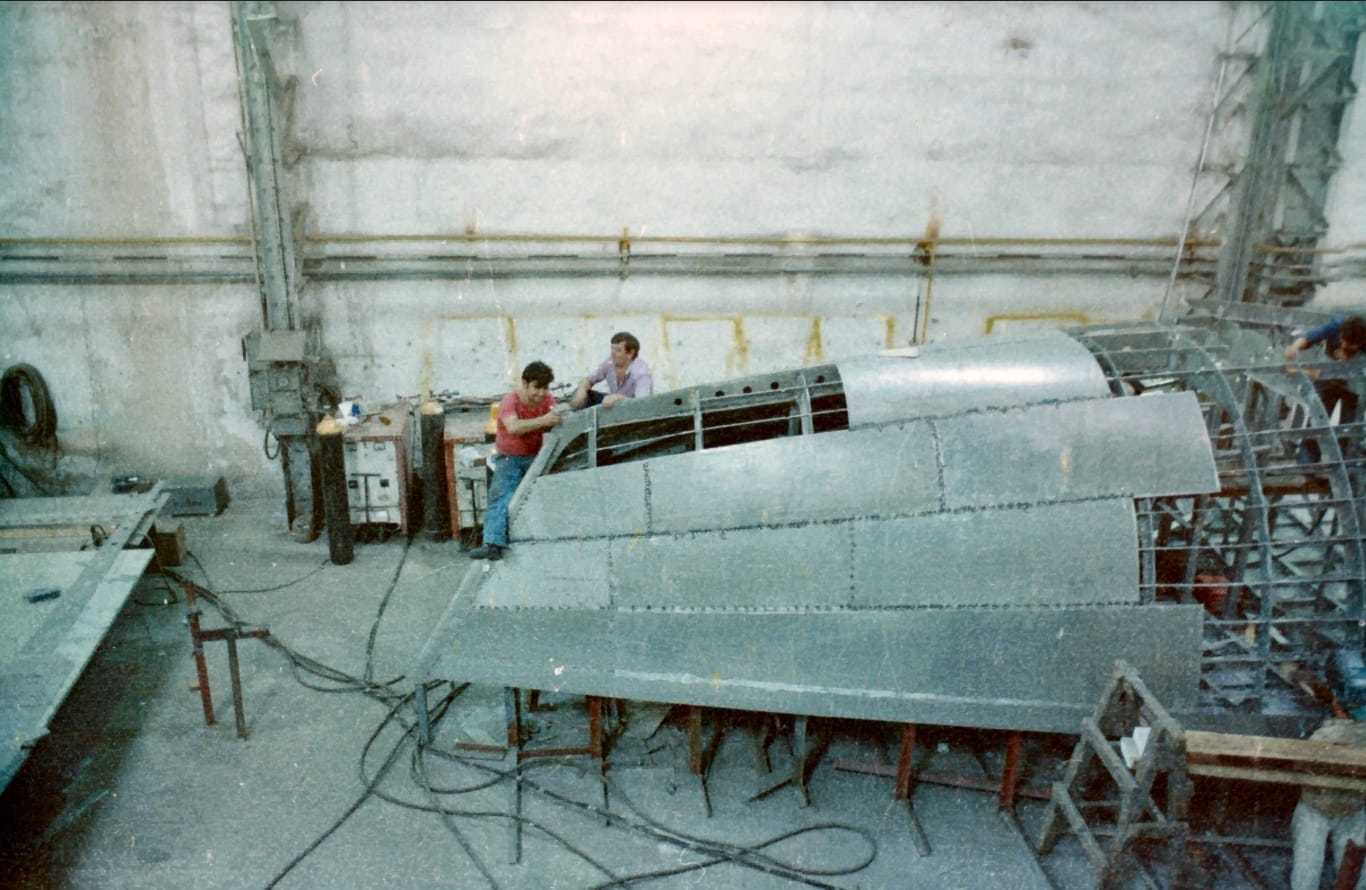 Placing the aluminum plates on the Licor 43 hull. Photo: MMB.
A third life: the Ocean Globe Race 2027
After years of formative voyages through the Norwegian fjords and the Baltic Sea, the sailboat ran aground in 2004. For almost two decades, it disappeared into oblivion. Until 2022, Aleksejs Vjuns, a classic sailing enthusiast, found the abandoned hull in Klaipėda, bought it and moved it to the Latvian port of Riga.
Today, this legendary boat wants to write the third chapter of an unrepeatable story: participation in the Ocean Globe Race, the round-the-world regatta that has recovered the essence of sailing with the protagonists of the past and many boats that competed in the legendary years of the 1970s and 1980s, demonstrating that some boats do not age, but rather become legends. The Licor 43 is one of them.