Traditionally, lighthouses were spaces where women were not allowed to work, though paradoxically this was more of an official rather than an actual barrier. Ever since ancient times, people have understood that lighthouse keepers had families who helped to maintain the space and to feel more at home. Although many women lived in lighthouses as the wives or daughters of lighthouse keepers and collaborated in maintaining the signals, few were able to hold the titular position. For decades, they were considered weak or incapable of carrying out a demanding technical job due to male chauvinism and misunderstood paternalism. The first woman to officially join the Spanish Corps was Margarita Frontera Pascual in March 1969. She was followed by María Amable Traba, María Cristina Fernández Pasantes and Dolores Papis Ibáñez in 1973, and by Elvira Pujol Font in 1979.
Another fundamental reason why there were twenty-six female lighthouse keepers in Spanish history compared to more than a thousand men is that women had very little time to apply for a position. In 1992, a government decree declared the profession “to be shut down”. From 1969 until the position was closed down in 1992, women only had twenty-three years to access this public job.
Pioneering Women
Until 1969, when the first open call for lighthouse keepers available to both men and women was held, the wives and daughters of lighthouse keepers collaborated in the maintenance of lighthouses. Some European countries recognised the women’s aid and even paid them. In Spain, however, this task was relegated to the shadows, remaining invisible and unpaid.
Only two women applied for the first call; one of them, the Mallorcan Margarita Frontera, managed to pass the tests and become the first Spanish woman to be a lighthouse keeper. However, long before Frontera lit her lamp, other women had run the lighthouses out of necessity, duty or love. Four documented cases reveal that this work was carried out before it was officially recognised, though many more have likely been anonymously forgotten.
The first was Melitona Martín Caballero, who in 1926 replaced her ailing husband at the lighthouse at Punta Cumplida (La Palma). The local engineers approved the proposal of the junior lighthouse keeper Rafael García, although it was never confirmed whether the Ministry approved the appointment or whether Martín Caballero was paid for her work. However, her case was recorded: a woman who carried out the profession of lighthouse keeper, out of sheer necessity and against the prevailing chauvinistic male attitudes.
A few years later, Manuela García Orts took over from her father, Higinio García Blasco, at the Columbretes Islands lighthouse. She would later be replaced by her brother Francisco, who would pass the civil service test to join the Corps, which demonstrated how, despite her ability, she could never aspire to receive the same recognition.
Also in Les Columbretes, between 1934 and 1935, Josefa Castelló Gómez worked as a service assistant. Little is known about her compensation or her work, but her name appears as the last one of the pioneering women before they could be full-fledged lighthouse keepers.
A plea for equality
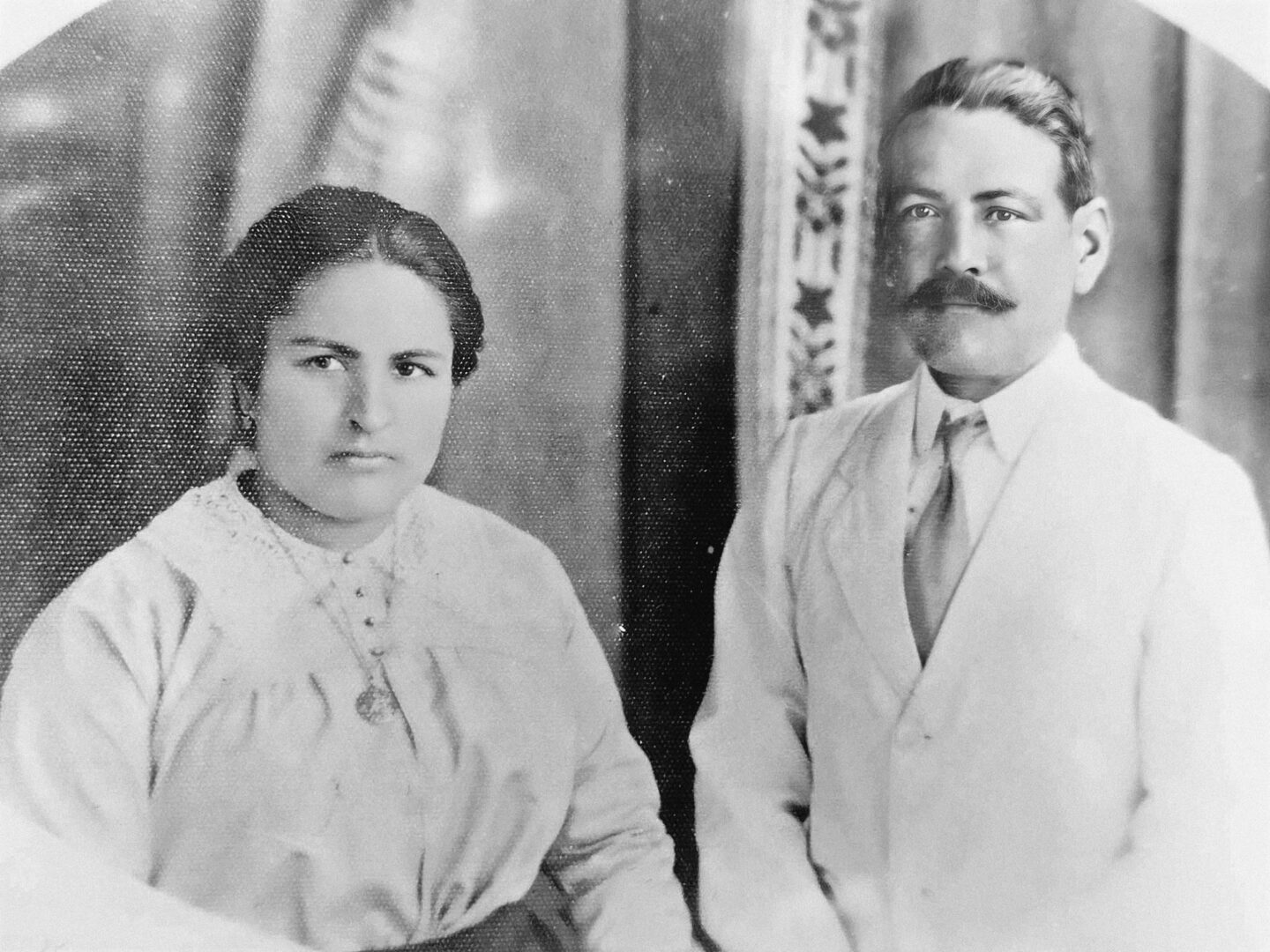
However, no story is as revealing as that of Eloísa Trull Sanés, the third documented woman to work in a Spanish lighthouse, and the only one whose struggle transcended the domestic sphere to become an advocate for equality.
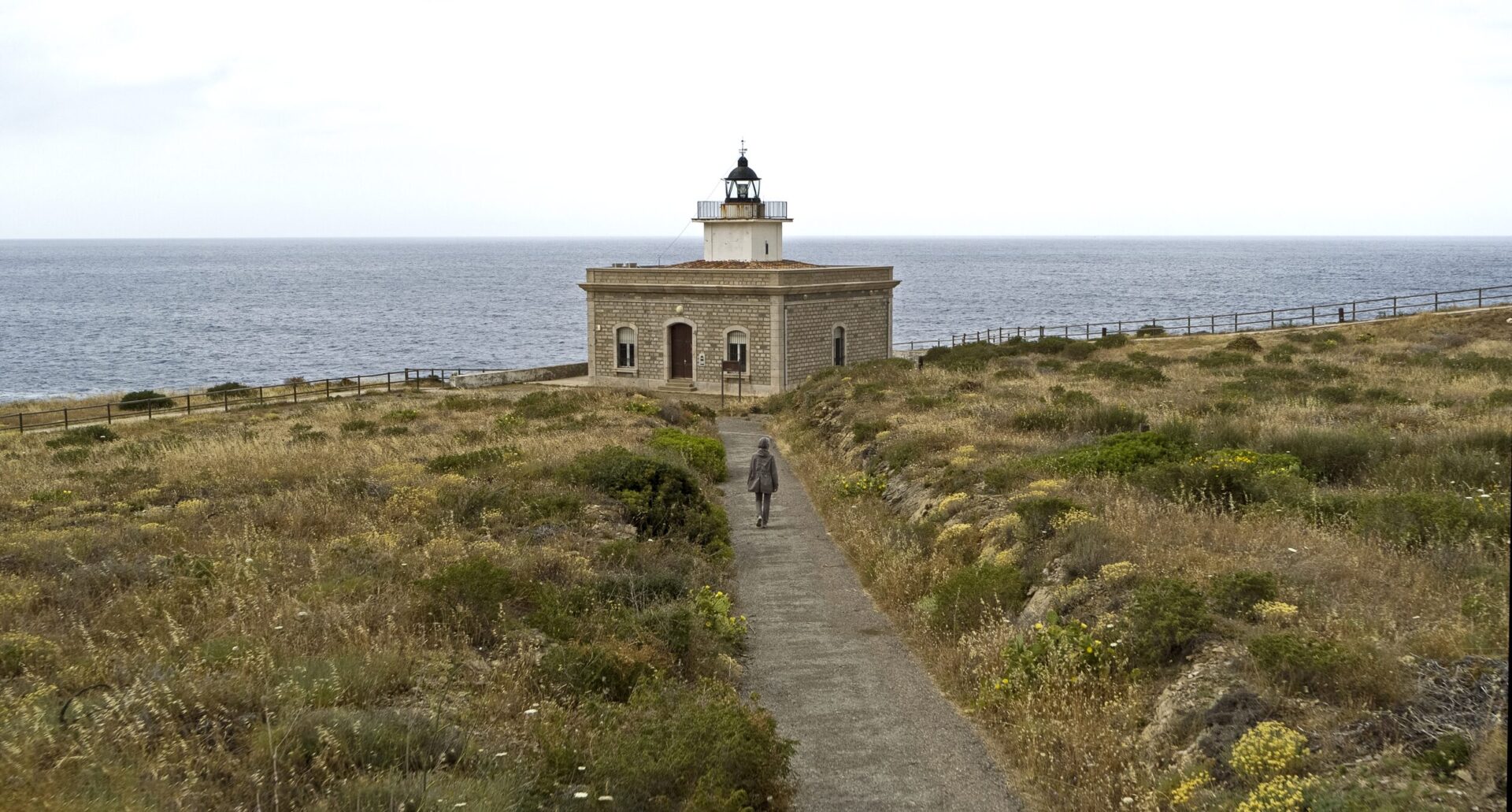
Born in Roses in 1909, Eloísa Trull was the daughter of the lighthouse keeper Felipe Trull Pujol, assigned to the Sant Sebastià lighthouse, in Girona. In May 1930, when the head lighthouse keeper, Josep Oliver Sastre, retired, her father proposed that she fill the vacancy of service assistant, a position that carried an allowance of eight pesetas per day. The application was provisionally accepted, and Eloísa Trull started working on 1 June 1930 as an assistant lighthouse keeper.
For twenty-nine days she capably performed all the assigned functions until the response from the General Directorate arrived: her appointment was revoked. The response claimed that the position was in the process of being officially filled and that, in any case, “it was not considered appropriate to appoint women to positions of this kind”. Eloísa Trull did not receive any remuneration. That same day, the new lighthouse keeper, Enrique Pujol García, was assigned to the lighthouse. In time, Trull would marry him and together they would dedicate their lives to the service of lighthouses, following the same calling that had driven her since she was young, albeit from a different role.
In 1932, encouraged by the open minded attitude of the Spanish Second Republic, Felipe Trull insisted again, this time requesting that his wife, María Cortada Corredor, be appointed as a service employee. The request was again rejected with arguments about red tape and a contemptuous tone towards the lighthouse keeper, who was reproached for “his lack of respect in addressing his superiors directly”.
That double rejection marked a turning point. The Trulls’ attempt to open a path for women was punished, while their perseverance was considered a lack of discipline. The Government closed ranks and cut off any possibility that woman could be recognized in the profession.
Eloísa Trull died in Sant Carles de la Ràpita in 2000, never having received recognition for that month of work that turned her, without intending it, into the first female Catalan lighthouse keeper and one of the great Spanish pioneering women. Thirty-nine years would pass before another woman could finally officially practice the profession.
The first female lighthouse keeper
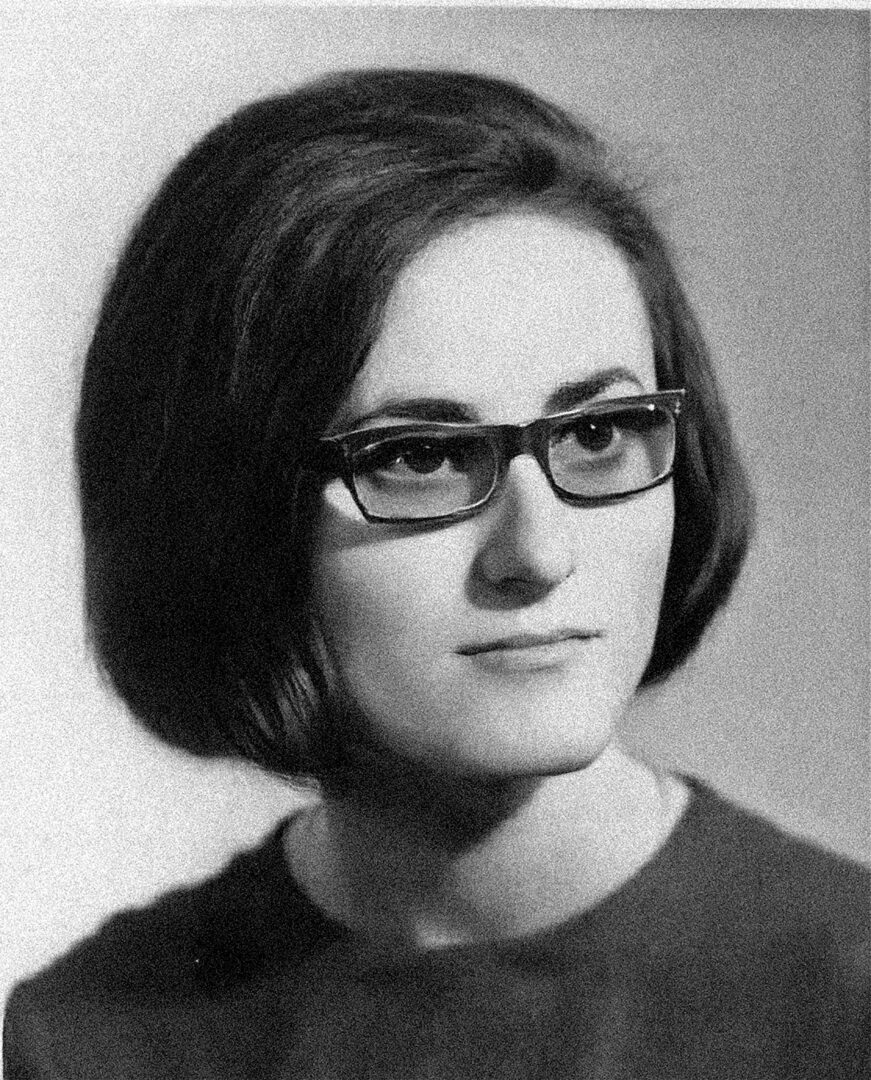
Margarita Frontera Pascual was the first woman to officially join the Mechanical Maritime Signal Technicians Corps. Born in Mallorca, she was studying to be a teacher when her brother Antonio, a lighthouse keeper, awakened a fascination with this lifestyle in her. In Spain in the late 1960s, women were not allowed to enter most governmental agencies, but everything changed when women were allowed to enter various State agencies for the first time. Margarita Frontera doggedly prepared for the competitive civil service exams together with her fiancé, Bernardo Reus. Both passed and got married shortly before joining their first destination, also inaugurating a new figure in this world: married lighthouse keepers.
Her entry into the profession did not go unnoticed. In 1969, some Balearic newspapers published a brief note highlighting that a woman had joined the Spanish lighthouse keeper corps for the first time. A photograph of Frontera and her husband appeared in some Spanish newspapers and magazines.
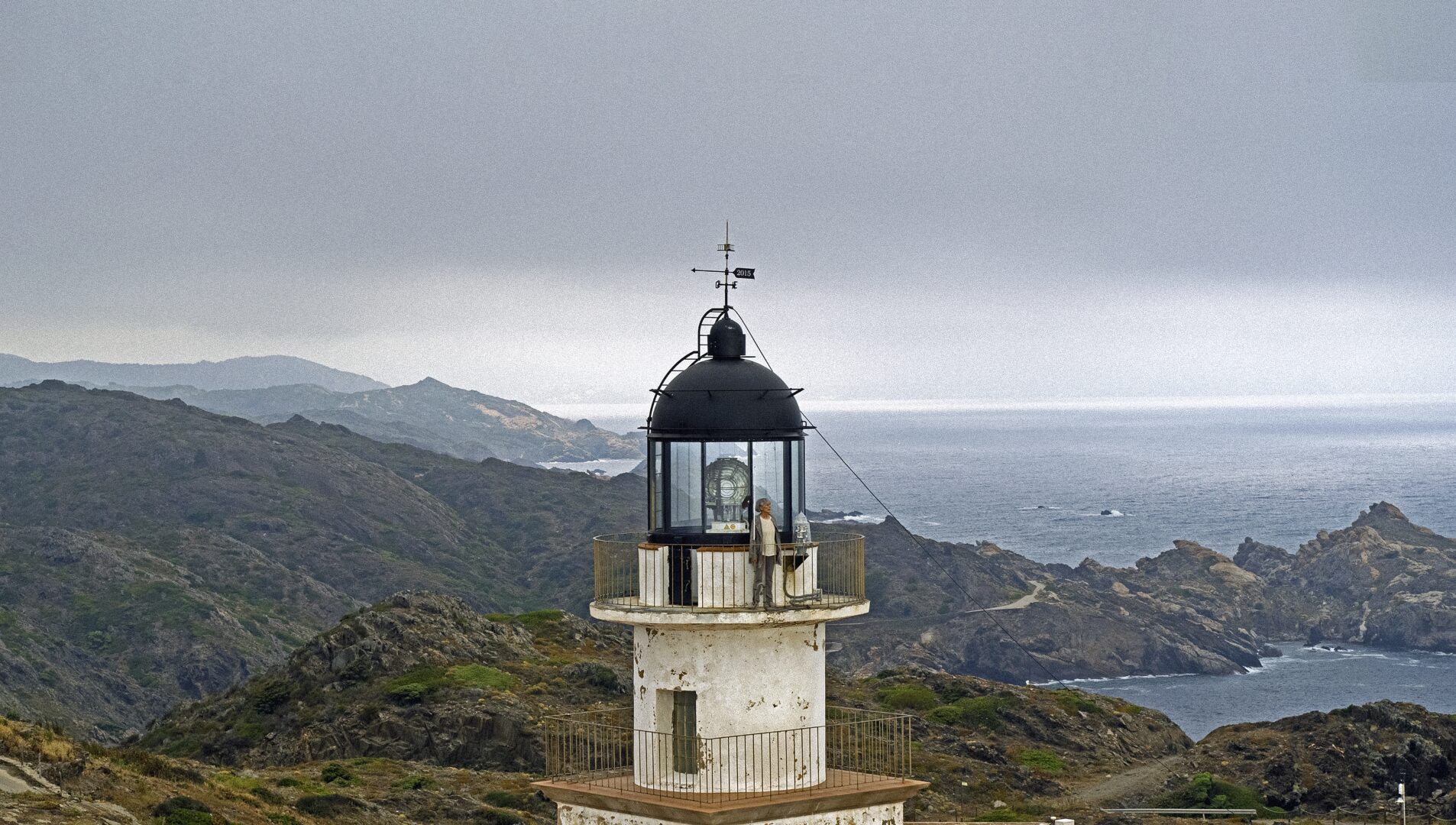
Her first destination was the DECCA station in Sant Joan del Riu. This represented the opportunity to work together with her husband and to consolidate a shared life in the service of maritime signals. Her first child was born there. After more than three years, they earned a transfer to the Cap de Creus lighthouse in Girona. Those years were some of the happiest of her life. The family enjoyed the nearby coves and the calm of the place.
The couple wanted to return to their homeland and knew that finding two positions together would be very difficult; so Frontera requested a leave of absence, passed the teaching exams and began working as a teacher, although she continued to live in the lighthouse with her husband.
Fate brought them back to Mallorca, where Reus got a job and Frontera found a rural school where she worked until her early retirement for health reasons. Despite having left active service in the lighthouses, she never disassociated herself from that world.
Margarita Frontera did not work as a lighthouse keeper for many years, but she left a profound impression. She broke an institutional and symbolic barrier, demonstrating that women could also guard the lights that guide navigators.
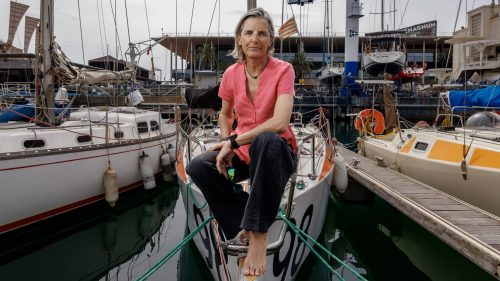
Elvira Pujol Font, the voice of a fading era
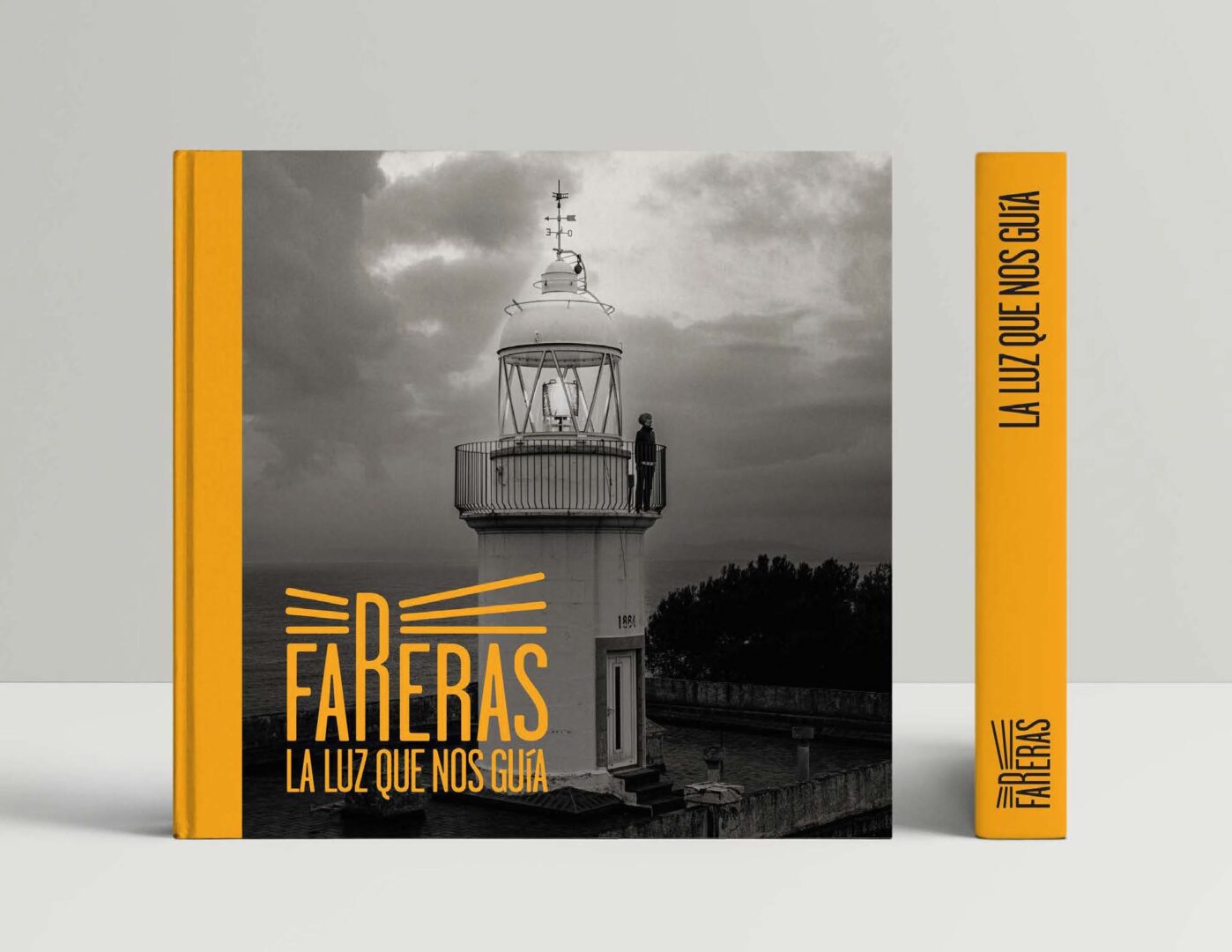
The story of Elvira Pujol has reached us in a different way. Her testimony does not come solely from documentary sources, but from direct contact over five years of conversations and meetings. Her participation in the feature film Aunque seamos islas (Even if we are islands), as well as in the exhibition Fareras. La luz que nos guía (Female Lighthouse Keepers. The light that guides us), has been essential to preserve the living memory of a dying profession. What follows, therefore, is constructed from her own voice.
Pujol was born in September 1950 in Empúries, a coastal town in the municipality of L’Escala. Teaching was her first calling, but towards the end of the nineteen seventies a piece of news in the Official Spanish Gazette aroused her curiosity: a call for applications to the Mechanical Maritime Signal Technicians Corps.
Elvira Pujol found what she was looking for in this profession: combining work and lifestyle. She decided to take the civil service exam in 1979. After finishing her internship, her first destination was the Technical Maritime Signals Centre in Alcobendas, while she arrived in Ronda for her second provisional destination as a substitute at the DECCA Network, where she remained for six months.
Back in Girona, after a stay as an assistant at the Sant Sebastià lighthouse in Palafrugell, she became the substitute lighthouse keeper for that province. She worked at all the lighthouses on that coast until 1982 when she was appointed to the position at Cap de Creus, where she remained until 2002. Over the course of those two decades she witnessed the profound changes in the management of the lighthouse system. In 1992 the so-called lighthouse closure Decree arrived, and a year later the competencies were transferred from the Ministry of Public Works and Urban Planning to the port authorities, forcing technicians to choose between keeping their civil service positions or becoming port workers. Pujol chose to continue working in her profession and became an employee at the Port of Barcelona. The hardest blow, however, came in 2001, with she lost her right to housing. For her, that change meant the breaking of an essential bond: being a lighthouse keeper without a lighthouse no longer made sense.
Pujol’s story not only captures the trajectory of a woman in a male world, but also the end of an era. She embodies the transition between the lighthouse keeper who experienced life in the lighthouse and the technology that keeps it at a distance. In her voice, you can hear what her work represented for her:
“Trying to describe what the experience of all this has been like over the course of these twenty years is a complicated task where objectivity and subjectivity merge in such a way that it makes it difficult to explain.
I can briefly summarise the importance that I attached to this position. It entailed watching over, maintaining and taking care of facilities, aiming to offer an uninterrupted guidance service in the format of light. I did all this from the Cap de Creus lighthouse!
This perspective remained as a latent foundation, which enhanced what might have been simply a job. I am so happy that this place had an important role in developing and nurturing my life, and perhaps also my way of living in this world.”
The lighthouse closure decree was the beginning of the end. The lighthouse – lighthouse keeper combo, which had given meaning to entire generations, was dissolving. The countdown until the last lighthouse was left empty meant the end of a profession associated with a lifestyle marked by solitude, a calling for solidarity and an intimate relationship with the sea and nature.
Today, there are only sixteen inhabited lighthouses left, and only three have female lighthouse keepers: Carmen Rosa Carracedo in Estaca de Bares; Cristina García-Capelo in Machichaco, and Margarita Peralta Vaquero in San Cristóbal de La Gomera.
Every time a lighthouse keeper retires, the lighthouse is left empty. They are the first and last generation, the one that will close the door, leaving no one to take over.