Seafarers know it well and they’ve always experienced it: sailing requires developing skills and knowledge that are rarely found in land-based activities. It requires interpreting the wind, reading the sea, anticipating changes, making quick decisions and assuming responsibility. Sailing is a school of life that combines technique, intuition, maritime culture and an intimate relationship with the environment. That is why sailing has been one of the most profound expressions of humanknd’s relationship with the sea for centuries.
Like all human activity, sailing is part of the economy in its broadest sense: the science that studies how societies create value, manage resources and project the future. In the last decade, a specific concept that has broadened this perspective has emerged with a great deal of momentum: the blue economy.
A key economy for the planet
It is not a simple maritime spin-off of the green economy, although it shares the vision of sustainable development. The blue economy arises from the convergence of marine science, public policies and industrial innovation. It has become one of the keys to protecting and managing seas and coastal areas. The European Commission has placed it at the centre of its agenda while coastal governments are incorporating it into their strategic plans.
Today the blue economy is understood as an interconnected ecosystem that features at least eight dimensions that feed back on each other: ports, fishing, marine renewable energies, oceanography, climatology, nautical tourism, the naval industry and ocean biotechnology.
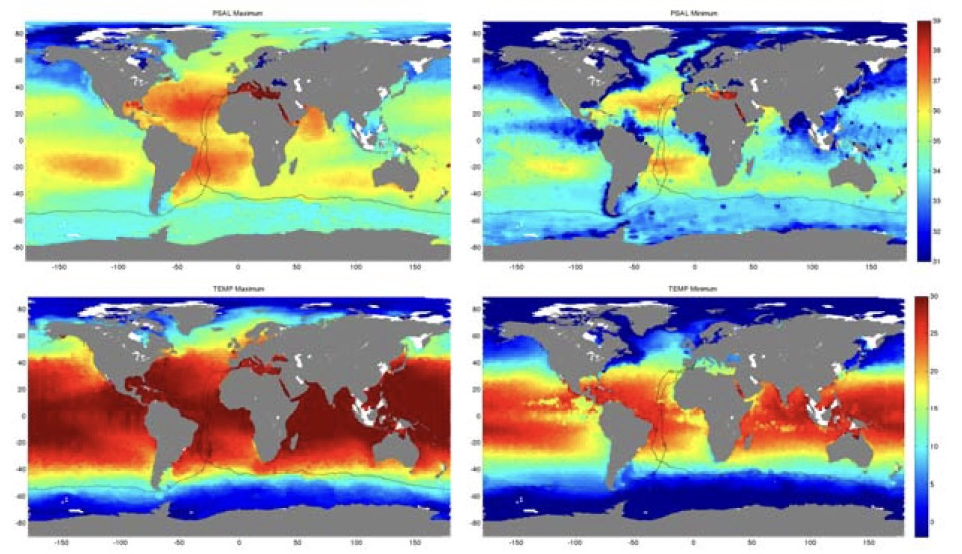
The blue economy is important across the globe. Earth’s oceans produce more than 50% of the planet’s oxygen, absorb nearly a quarter of the CO₂ we emit and regulate the global climate. They are the main source of protein for more than 3 billion people, host the largest reserve of biodiversity on the planet and concentrate energy, biotechnological and mineral resources essential for the ecological transition.
In this sense, the blue economy is not just a development framework. According to the United Nations, it supports around 600 million people and generates 100 million direct jobs, mainly in fishing, aquaculture and coastal tourism. If formal maritime sectors are included —transport, marine energy, tourism, industrial fishing— the figure rises to 133 million jobs and could grow to 184 million by 2050 with an appropriate sustainable transition. The value of the ocean’s assets exceeds 2.5 trillion dollars, making the blue economy the seventh largest economy in the world in terms of GDP. It is a planetary infrastructure that directly affects the future of the world.
Sailing: a strategic sector
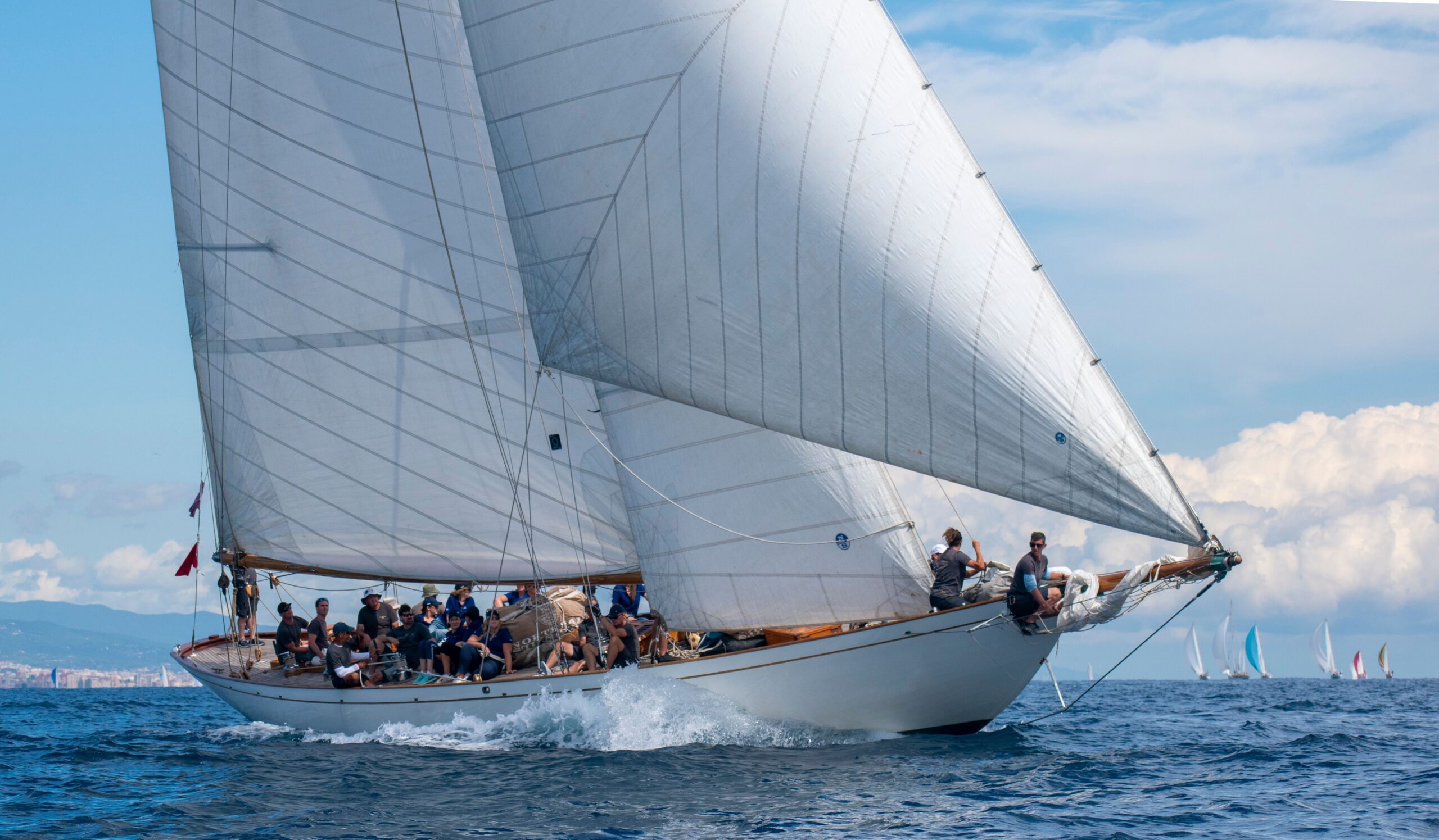
Understood in its broad sense in terms of sport and leisure, sailing forms the basis of a large part of the blue economy. It is a strategic, cross-the-board sector: sailing involves close relationships between athletes, race organisers, designers, builders and specialists who are intertwined in a context that reinforces maritime culture, environmental respect, scientific knowledge and human and humanitarian values.
Race organisers, sponsors, technical teams and sailors have always internalised these values and have helped them to evolve, which has succeeded in demonstrating how the natural capital of the sea can be transformed into well-being, knowledge and economic value for society.
As a sport that relies on ancestral technology reinterpreted from a contemporary perspective, sailing fosters an emotional and cultural bond with the sea. Maritimity —the set of knowledge, trades, practices and bonds that connect a community with the maritime environment— is, in itself, a cultural infrastructure. And sailing is one of its most effective vehicles: it teaches how to read the environment, demands cooperation, rewards resilience, forces respect for physical and meteorological laws and instills a long-term perspective.
Knowledge of materials and the ability to transform this understanding into control and manoeuver offer a direct perspective on industrial processes. Against the backdrop of the climate emergency, all these attributes contribute to forming more keenly aware communities that are prepared and working for the required adaptation.
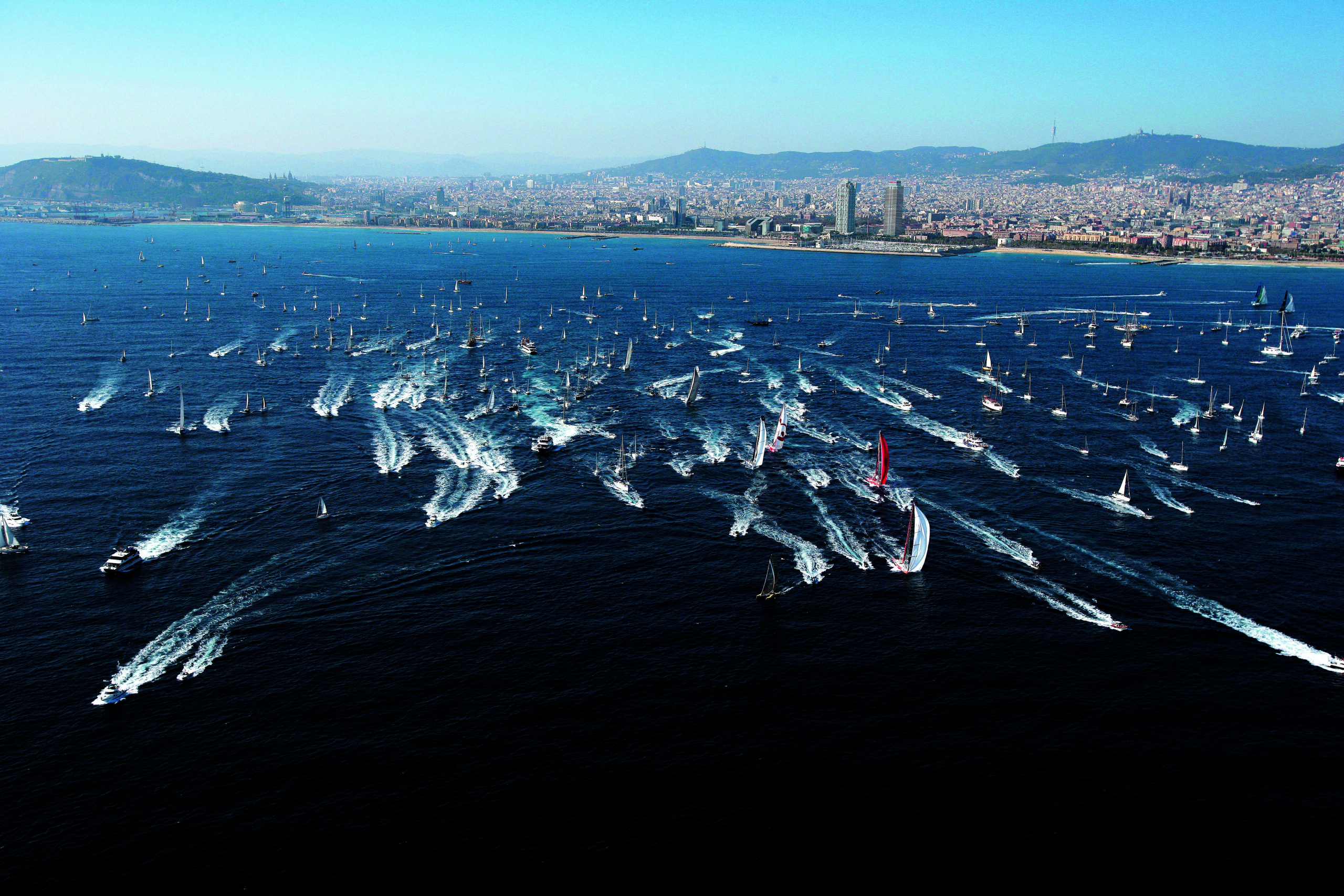
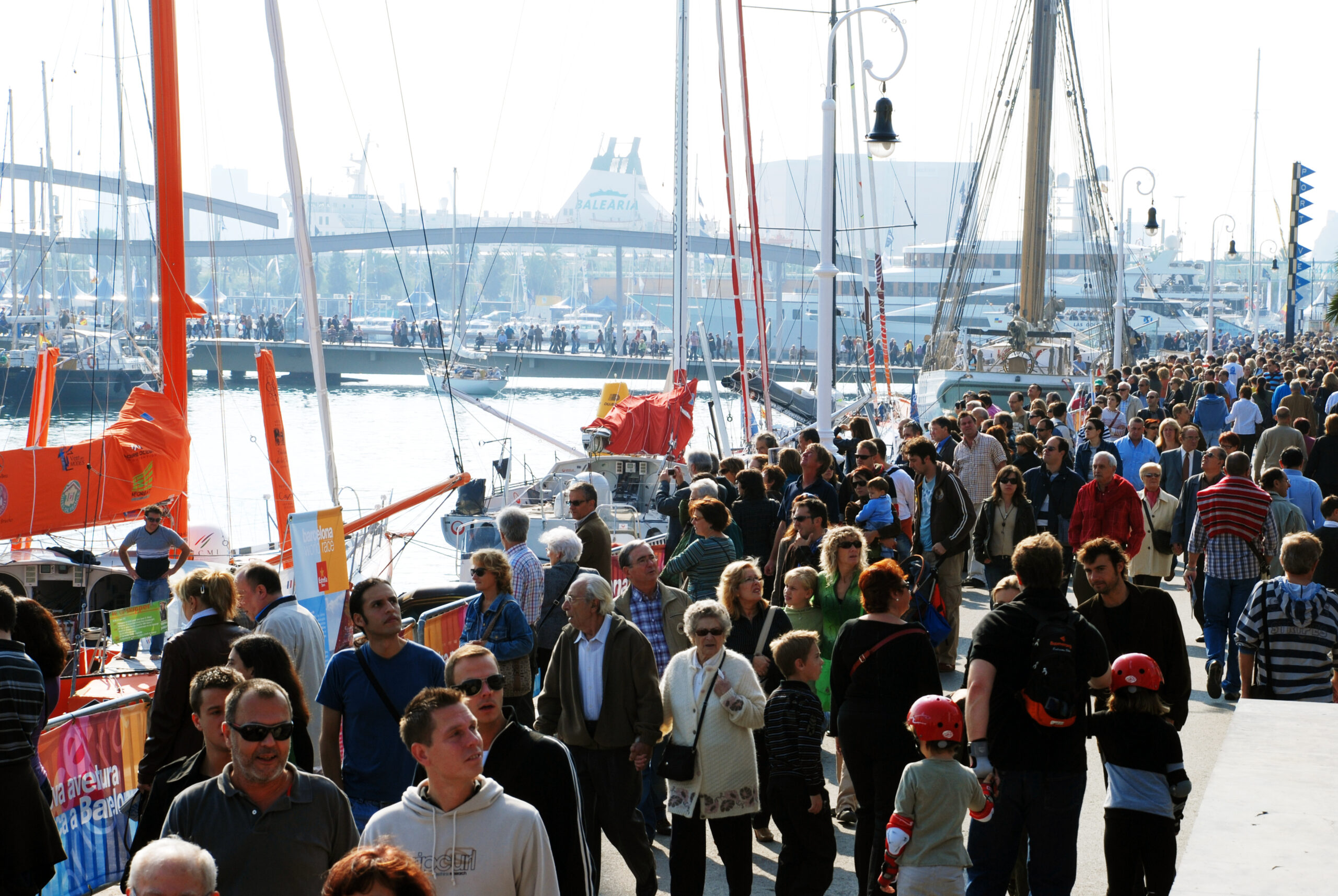
Sailing has enormous potential across Europe: nearly 48 million citizens regularly participate in recreational nautical activities, 36 million of whom are sailors. Six million boats are in European waters while there are more than 10,000 marinas in operation, offering more than a million moorings. The everyday infrastructure of the blue economy in Europe explains the true breadth of the sector.
High-precision maritime innovation
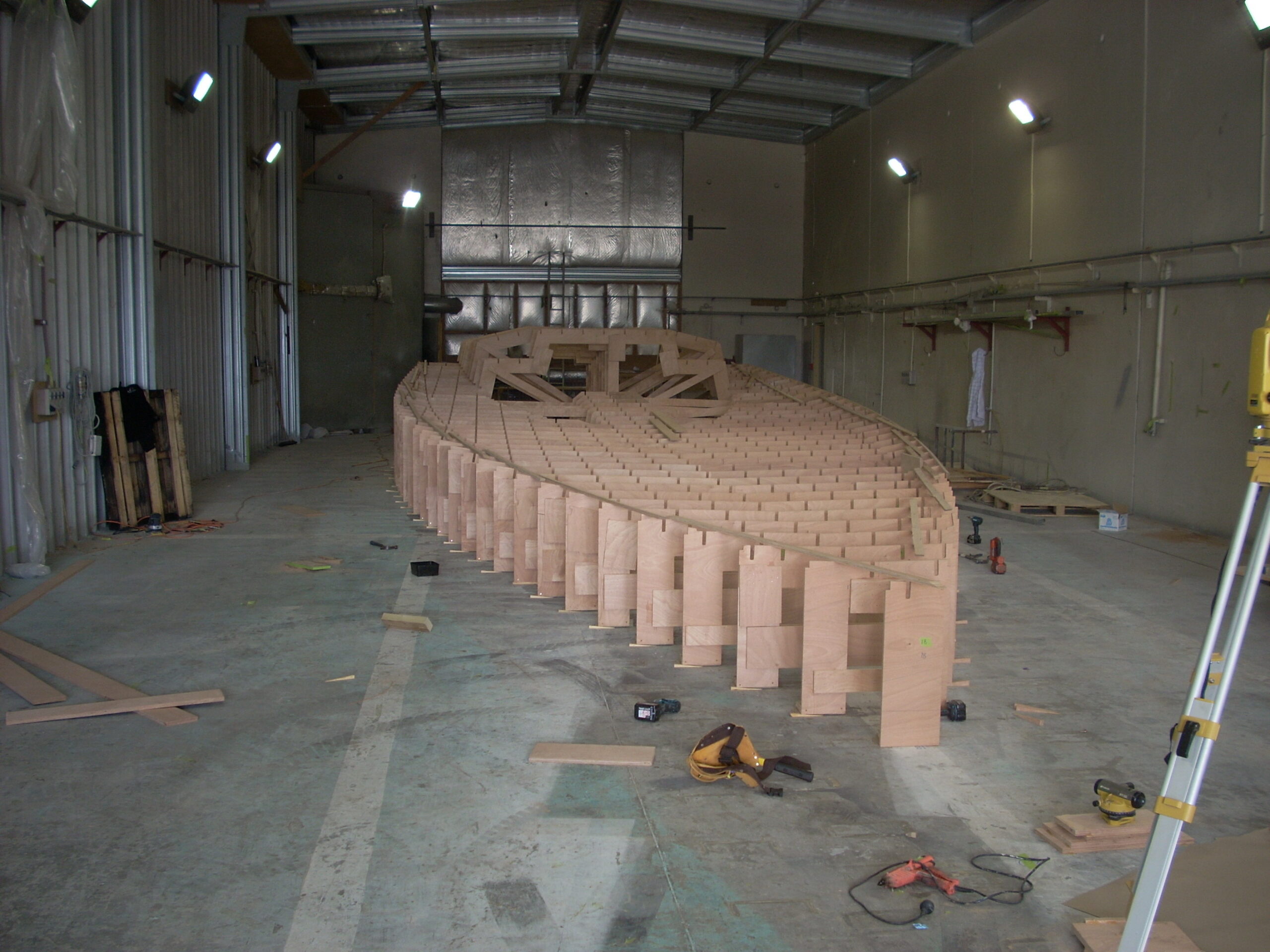
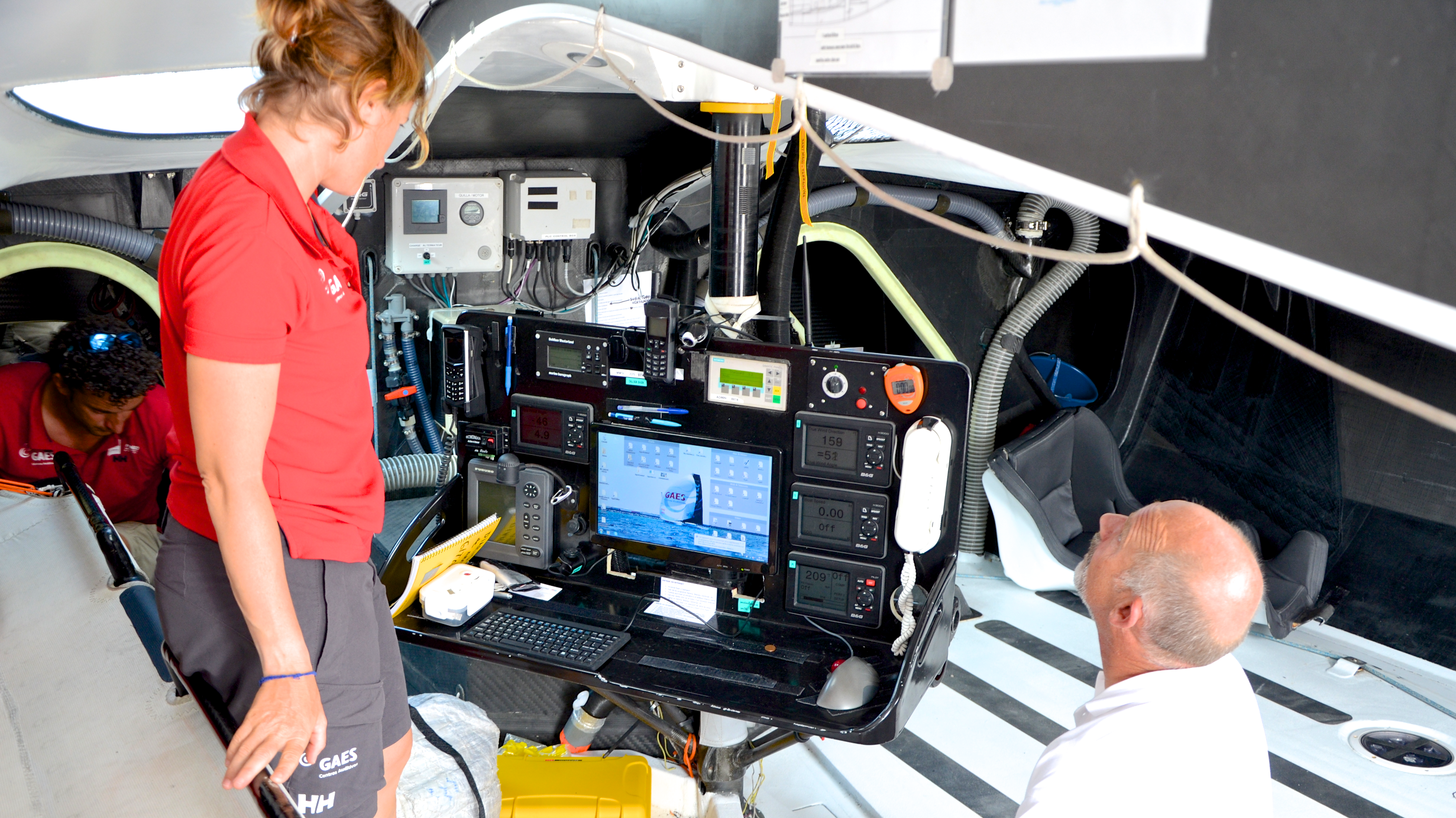
Competitive sailing is a laboratory of constant innovation. Hydrodynamics, aerodynamics, advanced materials, electronics, meteorology, modeling, simulation and communication systems are part of the day-to-day work of any top-tier project. The diversity of competitions —from inshore regattas to ocean crossings— leads to a range of technologies and processes that engage a vast industrial sector. Shipyards, companies that make composites, electronics manufacturers, telecommunications suppliers, energy equipment and research centres form a value chain that places sailing right at the centre of contemporary maritime innovation.
Extreme sailing circuits clearly demonstrate this. The 37th America’s Cup in Barcelona in 2024 generated 1.034 billion euros in economic impact, attracted 1.8 million visitors and unleashed technological investments exceeding 200 million euros per team. For its part, SailGP has become the fastest and most media-intense professional circuit in the world, with an annual economic impact exceeding 100 million dollars and global audiences exceeding 150 million viewers. Both circuits have turned the competition into an advanced test bed where engineering, sensors and state-of-the-art materials are then transferred to the maritime, energy and technology industries.
Ocean sailing: an economic, technological and educational driver
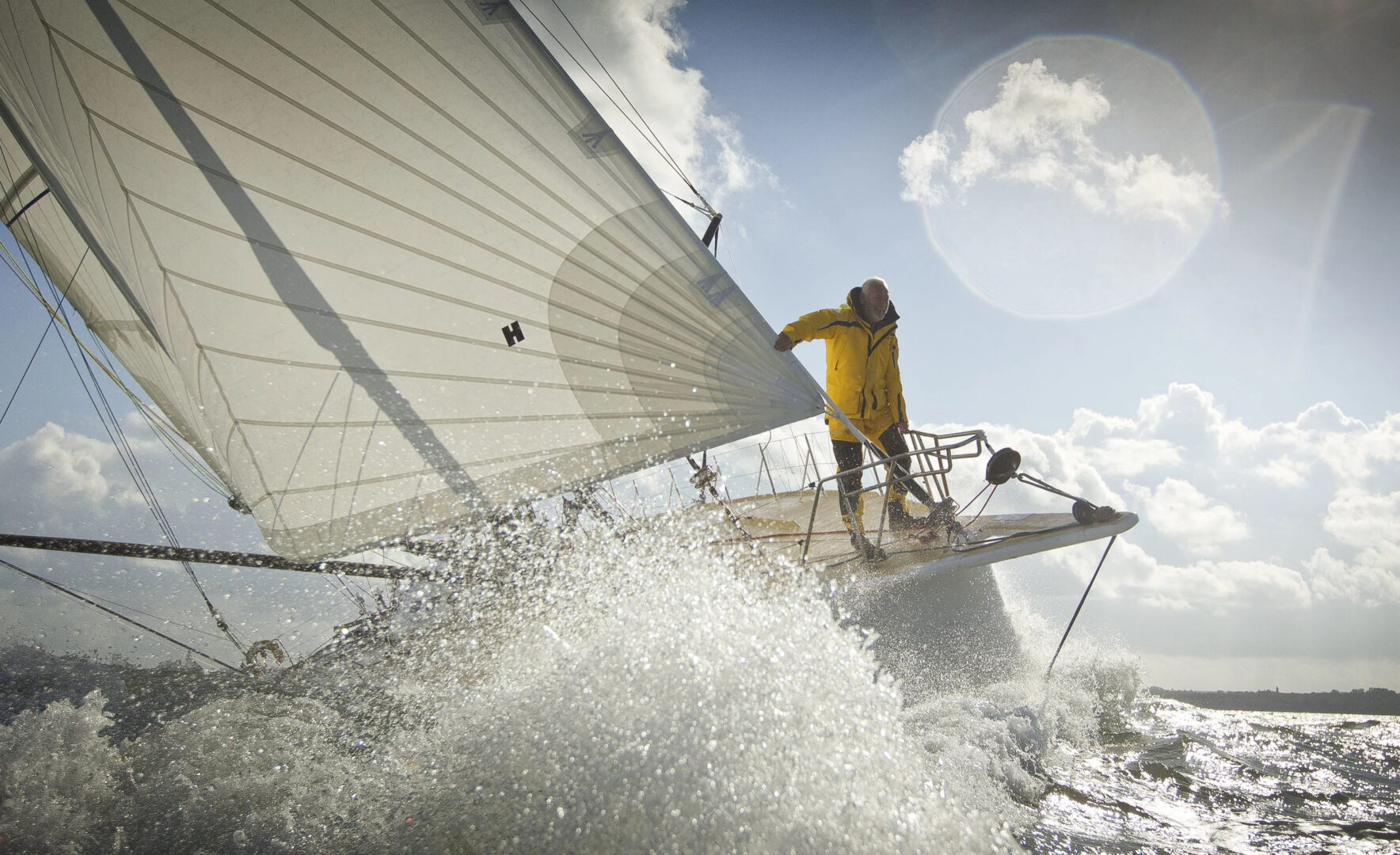
Ocean sailing represents the most extreme, human-focused dimension of sailing. Regattas such as the Vendée Globe, an unassisted, solo round-the-world race, are demanding examples that test materials, systems and people. The race has a global impact: the last edition achieved more than 350 million views on social networks, 418 million page views on its website, television coverage in 190 countries and an estimated economic impact of 100 million euros in the French region of Vendée.
The Ocean Race, the team race around the world, has generated a cumulative impact of 500 million euros in GDP in Spain, created more than 8,000 jobs, produced more than 200 million euros in media returns and attracted 1.6 million visitors to the Ocean Live Park in Alicante.
Ocean sailing has also proven to be an educational space with enormous potential. The Barcelona World Race educational programme, with more than 50,000 participants, and the Barcelona World Race Ocean Campus, with more than 60,000 people registered, were pioneering initiatives that tangibly demonstrated the extent to which this sport can generate high-value educational and scientific content in both schools and universities. Both projects brought oceanography, meteorology, health sciences and maritime culture closer to thousands of students, and ensured that sailing is a tool capable of integrating disciplines and engaging people’s curiosity in scientific careers.
Local regattas: a real impact on the region
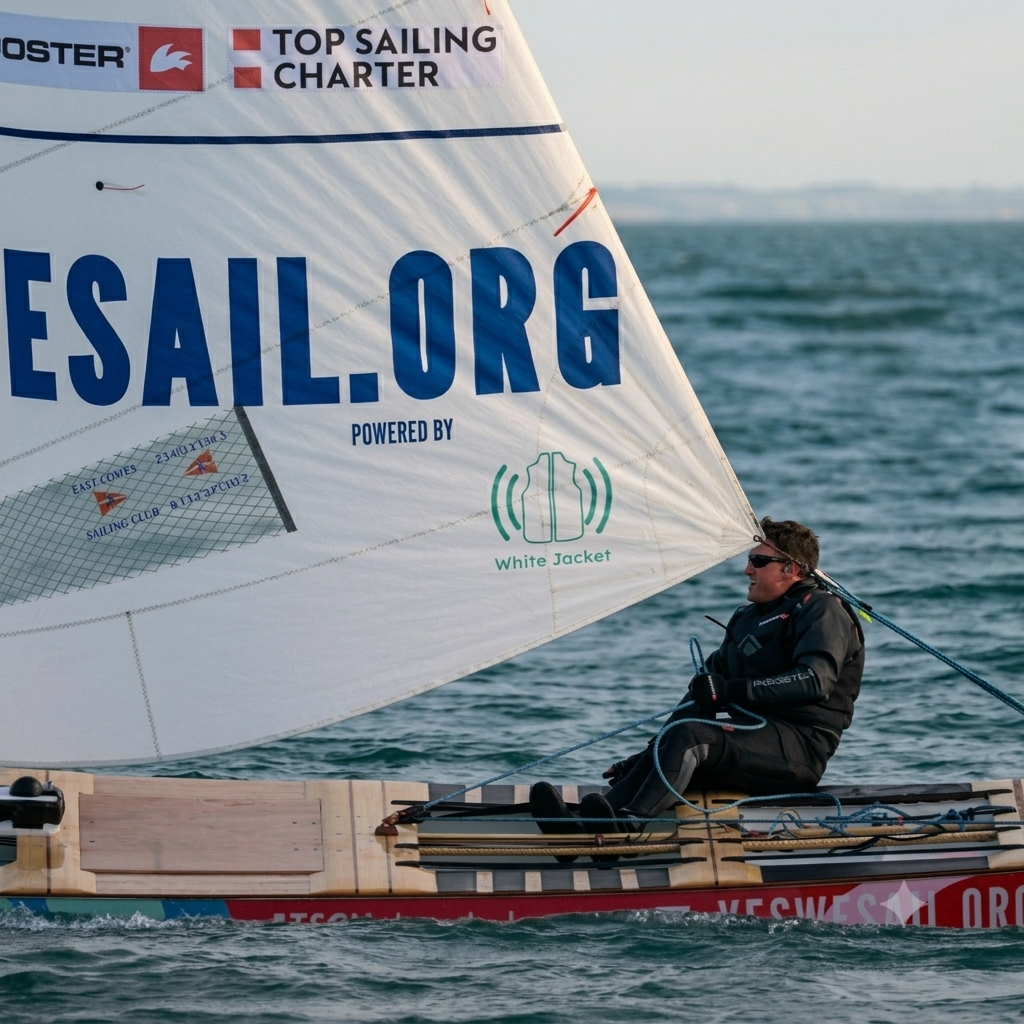
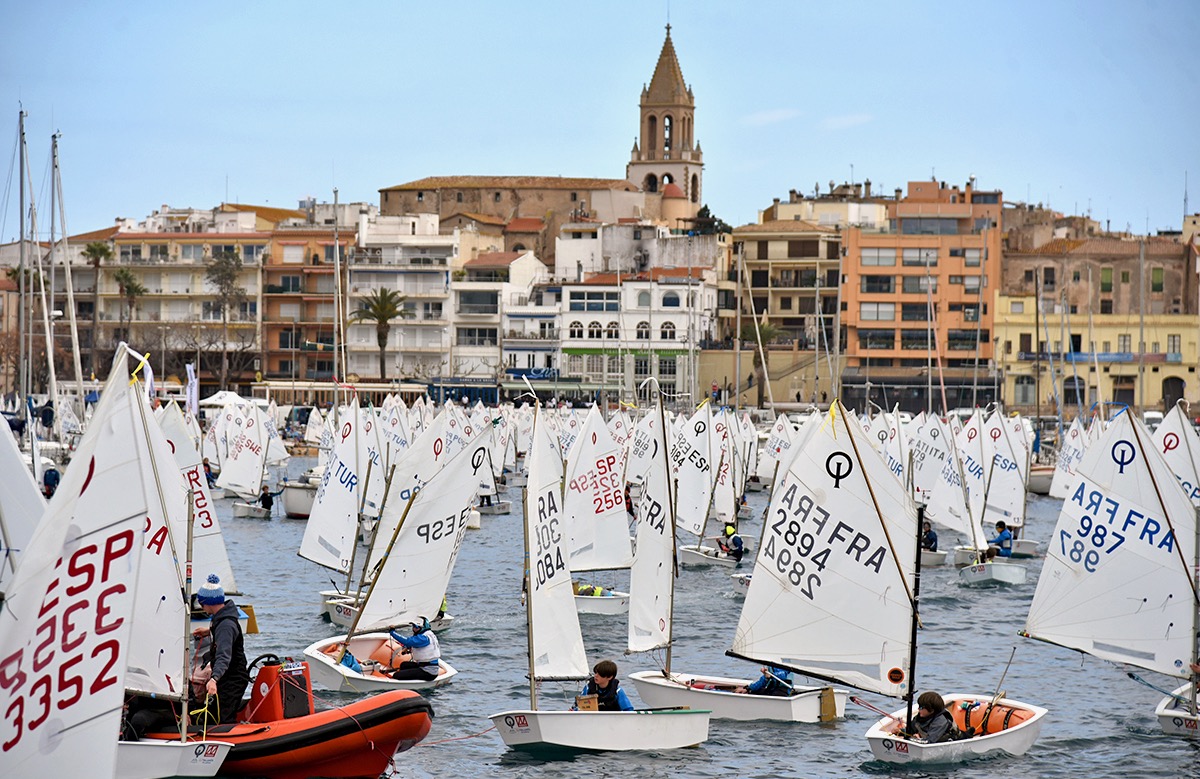
At the local level, regattas act as major economic and cultural drivers. In Catalonia, the Palamós regattas —the Christmas Race and the Optimist Trophy— generate significant impacts for a medium-sized municipality. The Christmas Race, held in December, has an impact of close to 800,000 euros, while the Optimist Trophy, held in February, provides close to 600,000 euros. These are significant figures for winter periods when tourist activity is slow.
The experience of the Ballena Alegre Sailing Club reinforces this idea. Since 2022, the club has been conducting socio-economic impact studies that demonstrate the true magnitude of these events. The results are eye catching: a world championship —like the iQFoiL held in Sant Pere Pescador— can generate an impact that exceeds 8 or even 10 million euros, while an Optimist World Championship can reach 14 million euros. These data show that sailing, even on the most local scale, is a highly valuable economic and social asset for coastal regions.
An asset for the Decade of Ocean Science for Sustainable Development
Sailing demonstrates that the sea is not just a physical space, but also a cultural, economic and technological driver capable of transforming regions and impacting the future. From the extreme innovation of large circuits to the direct impact of local regattas, sailing links community, industry and knowledge with unique precision. In this context, the Decade of Ocean Science for Sustainable Development, promoted by the Intergovernmental Oceanographic Commission of UNESCO, places the ocean at the centre of the global agenda: science, governance of the seas, the ecological transition and sustainable economics converge to guarantee a viable future. Sailing embodies this vision and confirms that the blue economy is not merely an abstract concept, but rather a living reality that comes from the sea and that increasingly defines the future of our societies.