Sedan chairs were a means of urban transport widely used during the modern era, especially for short distance travel within cities or even within the walls of large estates. These chairs, which usually had capacity for a single person —although in exceptional circumstances they could accommodate two—became a distinctive element associated with prestige and social rank. This type of mobility system was predominant used among the wealthy classes, in particular among the ladies of the high aristocracy, for whom this type of transport symbolized refinement and purchasing power.
The richly constructed and decorated ways in which these sedan chairs were made often contributed to reinforcing this idea. Some were decorated by renowned artists, such as the painter from Madrid Luis Paret y Alcázar, who created a sedan chair embellished with mythological scenes about love. However, beyond their value as a luxury object, sedan chairs were also closely linked to the workman trade of the bastaixos or faquins, as porters were known in Catalan and Spanish, in more than one city, as was the case in the city of Barcelona.
The Porters’ Guild
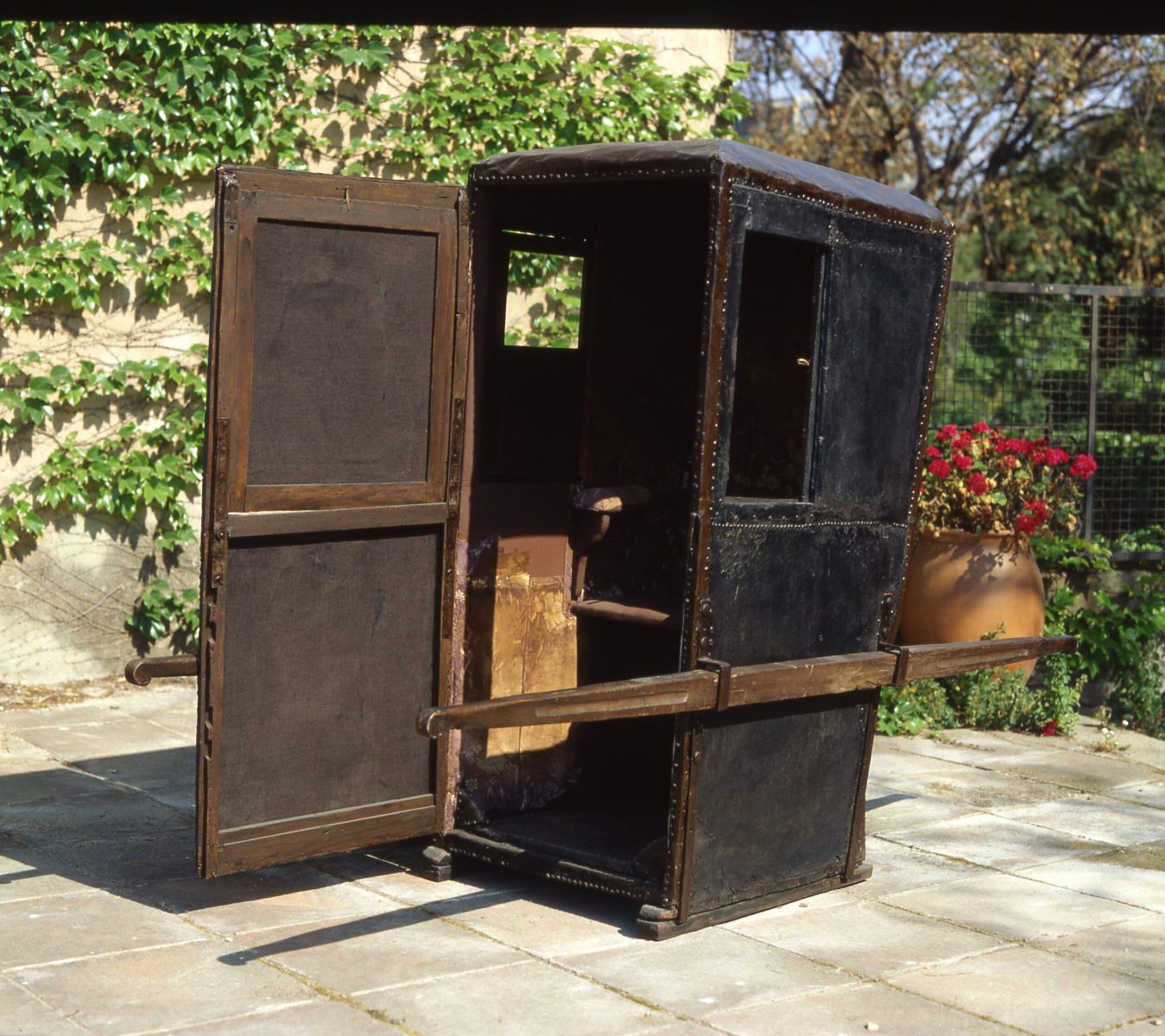
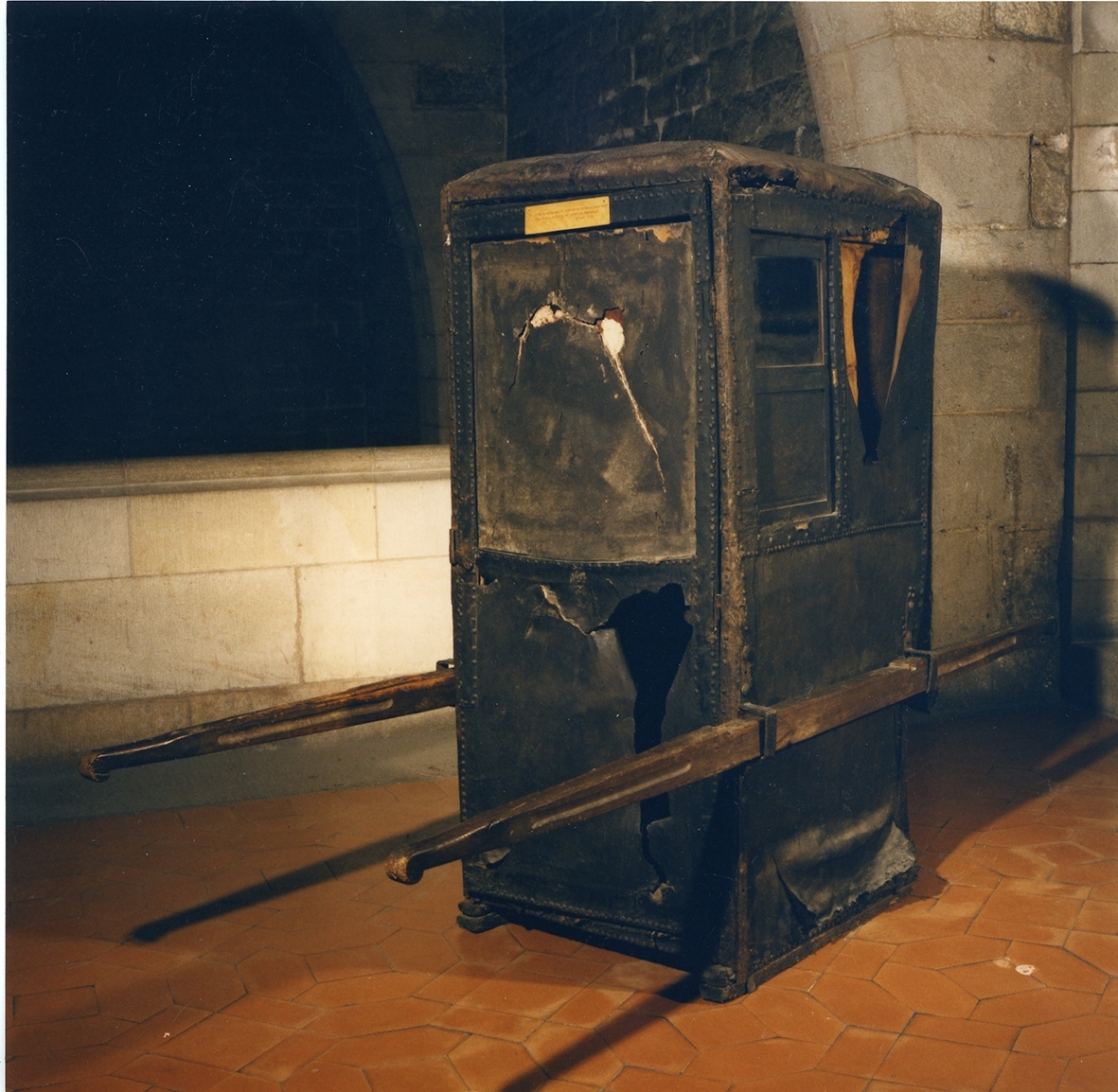
This guild was responsible for transporting and transferring patients to hospitals with simple sedan chairs without any kind of luxury, such as the one preserved in the Museu Marítim, showing how this vehicle was linked to the city’s healthcare practices.
The Barcelona Porters’ Guild was formalized by royal privilege of King Ferdinand II, the Catholic, in 1513, invoking Saint Matthias as its main patron along with Saint Catherine and Saint Thecla. However, its origin as a professional corporation dates back to the mid-13th century. According to extant documentation, the first ordinations were established in 1418, and porters are widely known to have played a fundamental role in the construction of the Basilica of Santa Maria del Mar, starting in 1323, transporting stone free of charge from the Montjuïc quarry to the Ribera district. This gesture marked them as a guild who displayed their solidarity and commitment to the city.
The chapters established in the ordinance of 1513 indicated that the members of the Guild were to serve the inhabitants of the city of Barcelona, whether they were public institutions or individuals. Their task was to help citizens to transport clothing, merchandise, all types of goods and even sick people. The chapters also stipulated, among other issues, that the transport could be carried out at any time of the day or night, given that, as the ordinance states, the sick “out of shame do not want to be removed from the houses where they are during the day”.
The term bastaixos de capçana refers to the profession of transporting heavy loads —on the neck, head, shoulders or back—, with or without the help of a bar, cushion or rope. Another name, which became synonymous, was that of macips de ribera (riverbank porters), which specifically referred to those workers who manually transported goods between the sea or riverbank and the city. Throughout the 17th century, the Guild constantly entered into disputes with the wheelwrights, new chapters of which joined the Guild starting in 1770, though each section had its own delimited tasks. Finally, in 1873 they changed their name to Unión de Faquines de la Aduana de Barcelona (Porters’ Union at the Barcelona Customs House).
The Museum’s treasure
The sedan chair from the Museu Marítim de Barcelona, along with a small set of furniture and documentation, became part of the Museum’s collection thanks to the donation made in 1942 by José Penaba, as head and representative of the customs house. The scant documentation preserved indicated that these pieces came from the old “Gremio de Faquines de Rivera” of the Port of Barcelona, in other words, the city’s Porters’ Guild.
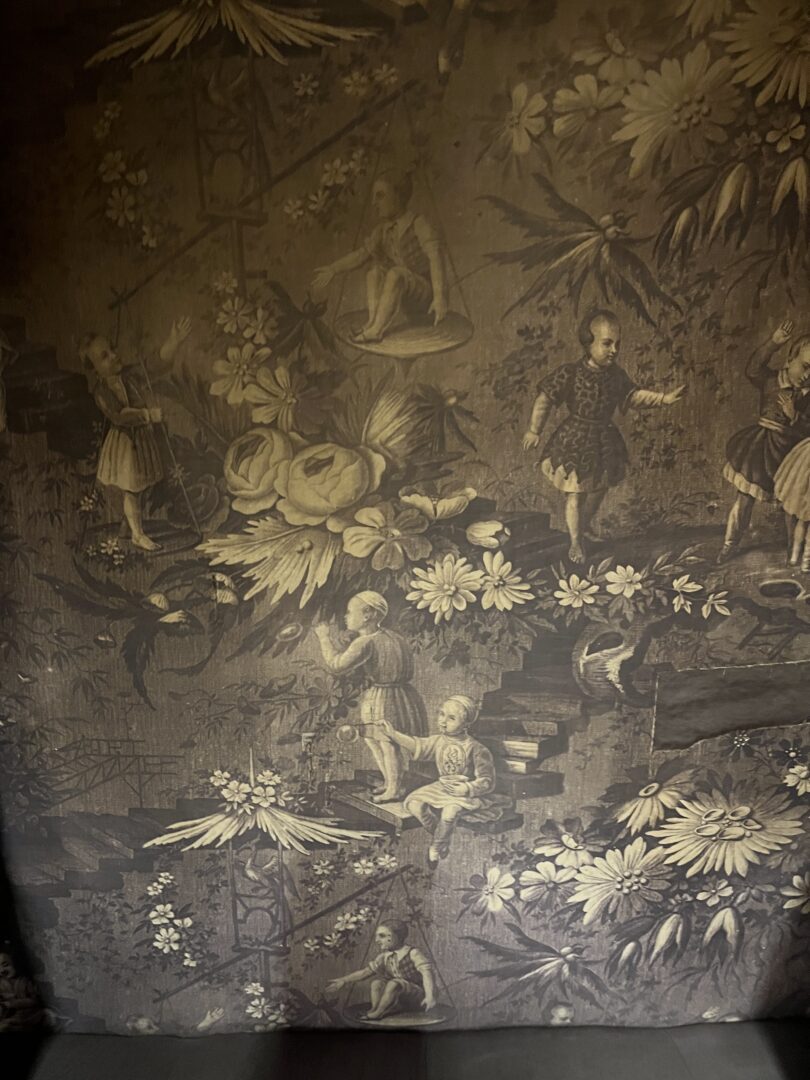
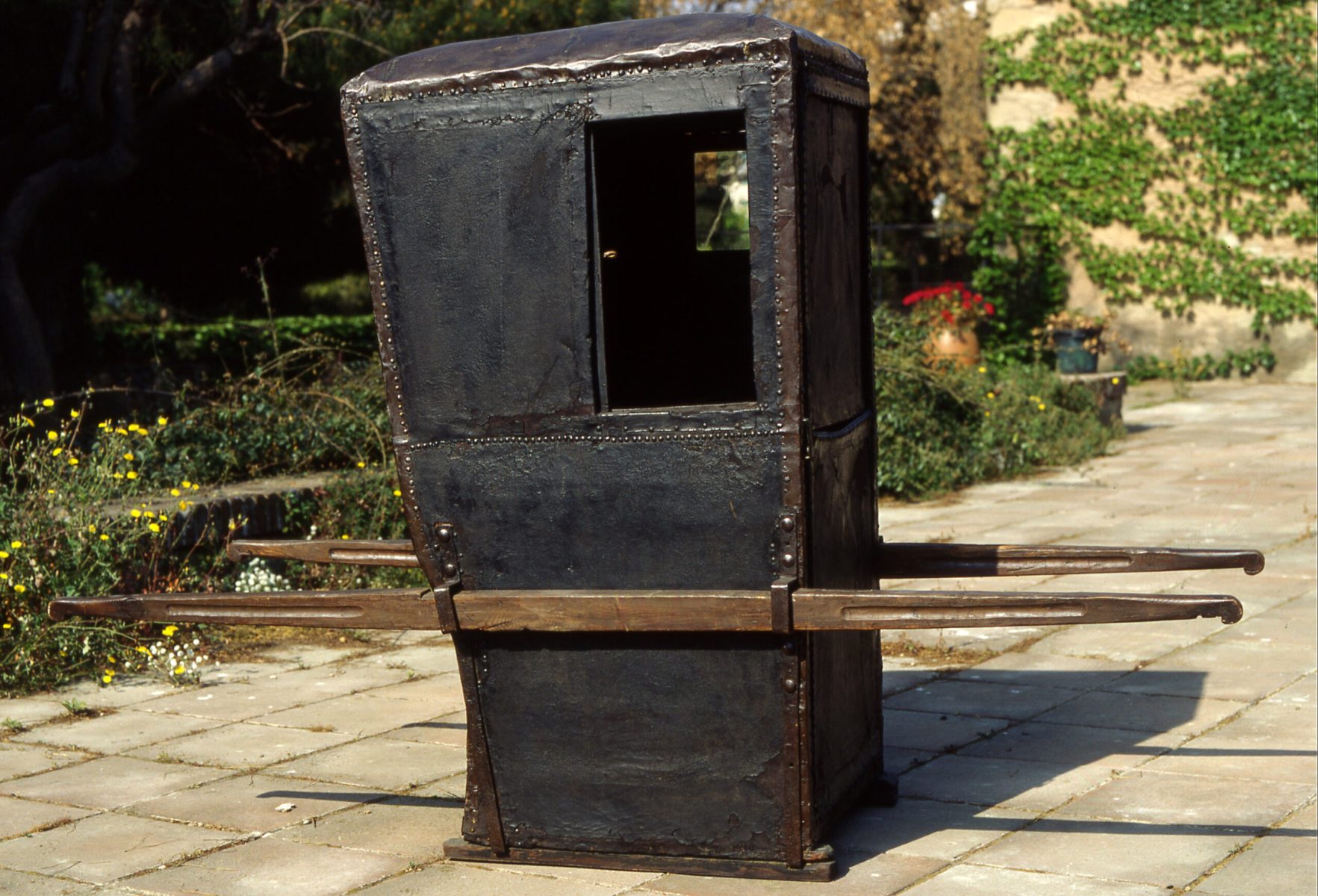
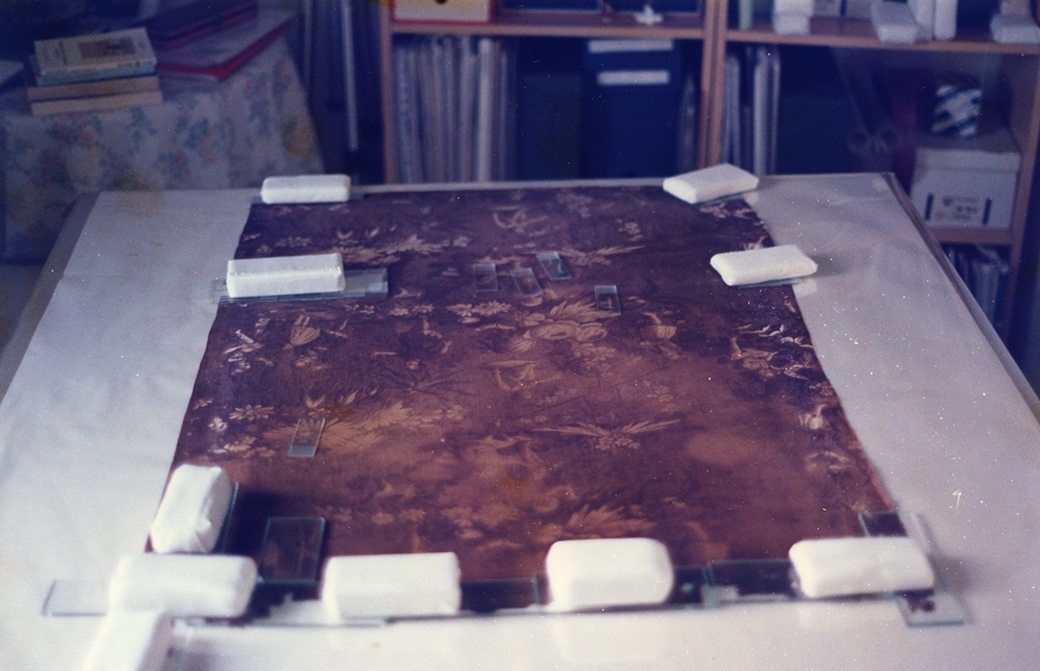
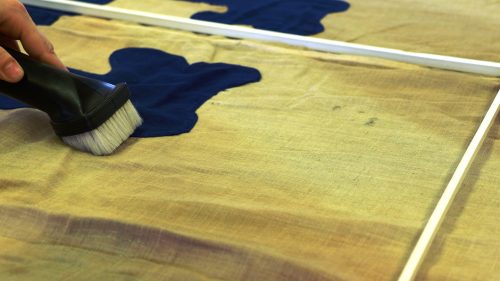
Structurally, the piece is designed as a box with a vertical section, which features a front door and three openings as windows. While the exterior is covered with leather fixed by means of metal pegs or studs, inside it includes a chair with two small armrests lined with cotton taffeta printed with floral motifs and figures of oriental inspiration, in shades of brown or chocolate. On each side of the exterior, it has square iron clamps where the wooden slats were inserted and were carried by two people, one in front and the other behind. Sometimes they could be borne by animals, although more often they were carried by two individuals.
The austerity of the outer covering of the Guild’s armchair became a singularity and can be explained by practical reasons. On the one hand, the use of leather as a covering material made it more resistant to inclement weather or possible impacts or accidents. On the other hand, it provided anonymity to the users, which was not the case with the richly decorated pieces.