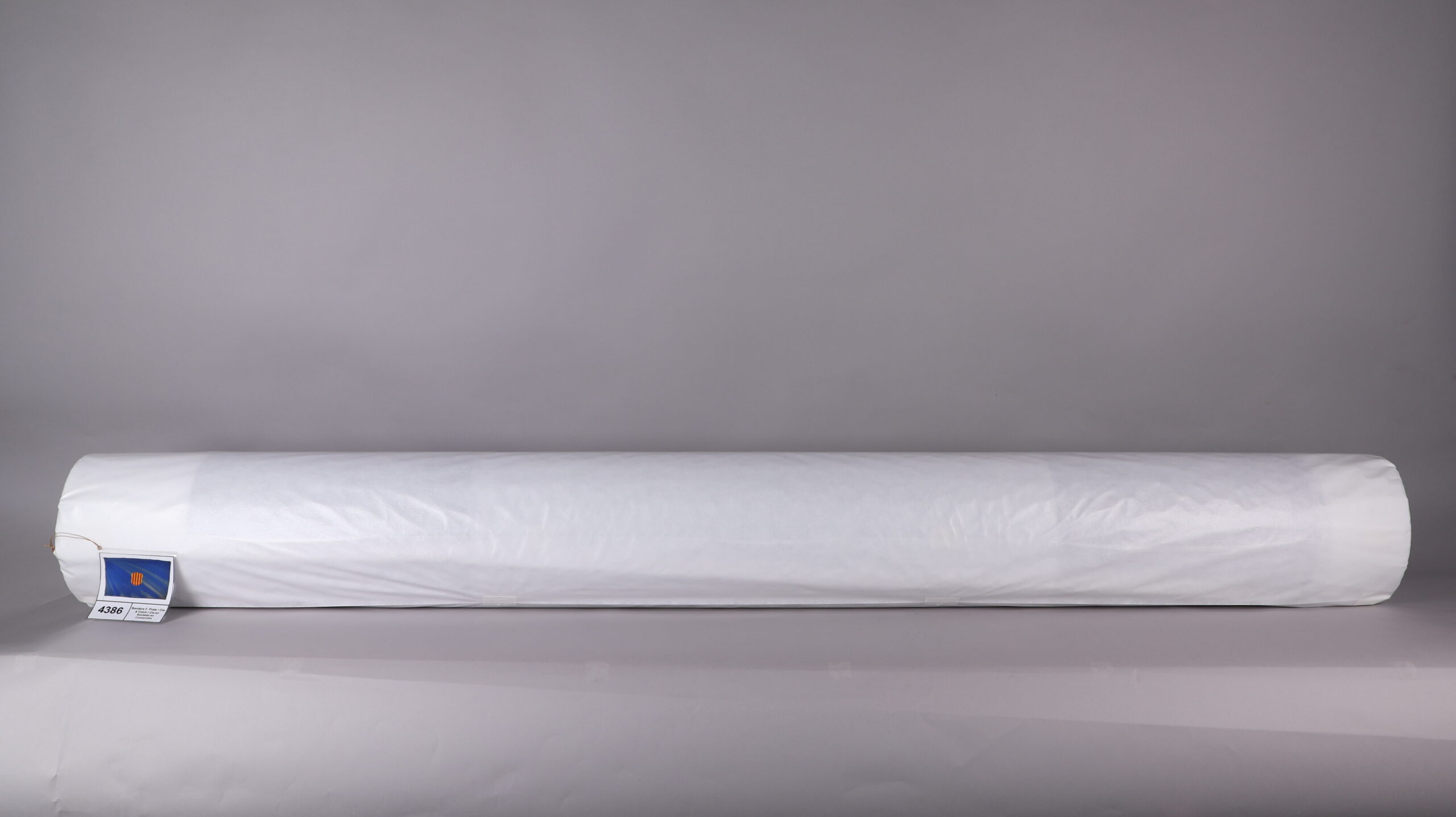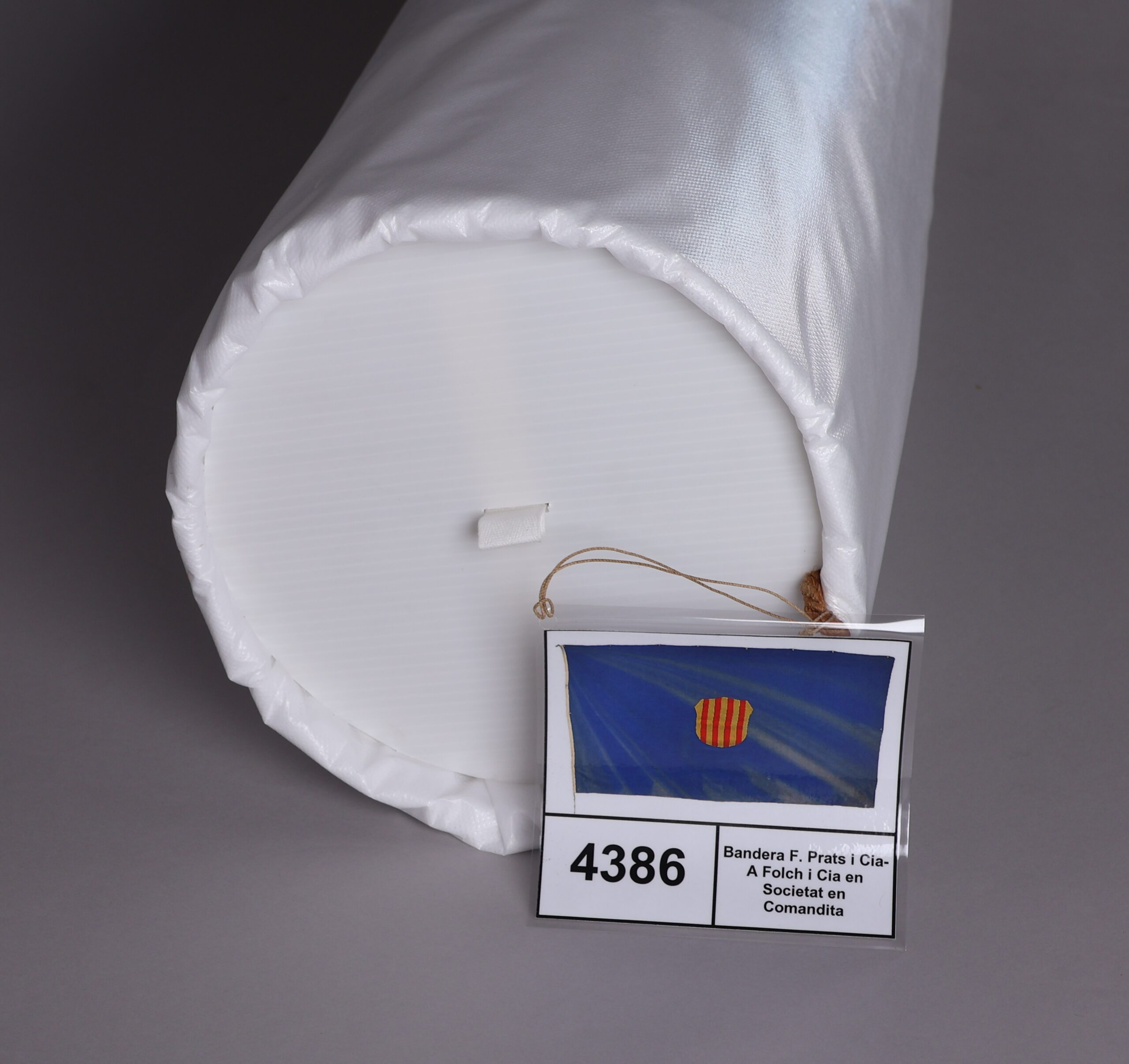
Prevention helps guarantee conservation
Preventive conservation involves more than just controlling the temperature, humidity and light that the pieces are exposed to or when the pieces are stored, or the measures taken to prevent acts of theft and vandalism.
This term has been increasingly applied to new fields such as the handling and movement of pieces, transport and packaging systems, storage conditions and the materials that they are in direct contact with.
All the preventive actions that are carried with regard to a piece, no matter how small they may seem to us, will serve to minimise, or even avoid, the process of deterioration. We can therefore say that preventive conservation includes all measures or actions that aim to reduce or prevent the future deterioration or destruction of historical assets.
Prevention is thus a vital factor that must be kept in mind to stop or, at least, slow down the deterioration of museum collections and to guarantee their durability and accessibility for future generations.
Preventive conservation requires constantly searching for the best possible handling, display and storage conditions in order to avoid or, at minimise, reduce some of the mechanisms that negatively affect cultural assets.
From the point of view of conservation, it is always better to act ahead of time on all these factors rather than be forced to intervene on the piece in order to restore it. All the direct actions we take will end up affecting it in one way or another.
Therefore, we reserve restoration only for when it is essential, either because the item has suffered an accident or because the deterioration will worsen and more significant damage will occur unless the piece receives comprehensive treatment.
Sometimes, pieces must be restored simply because they have been selected to be on display and, despite proper being properly conserved, their appearance may be altered due to the accumulation of dirt or because inappropriate materials have been added, or simply because they are missing elements thus making them difficult to understand.
We must not forget that one of the main objectives of conservation and restoration specialists who work in museums and other institutions is to preserve collections in the best possible conditions in order to achieve a suitable compromise between exhibition and conservation.
From an economic point of view, it is always more profitable to invest in prevention in order to avoid future interventions rather than to have to undergo a comprehensive restoration process.
Unfortunately, many museums are unable to always apply these measures, not because they don’t consider the actions important, but rather due to the lack of technical and economic resources.
Preventive conservation actions in the MMB textile collections
Among the various held at the MMB is a small one featuring textile materials mainly made up of large-format sails, banners, flags belonging to old shipping companies and signal flags. We also preserve a collection featuring military, sailor, and sports clothing and accessories such as bracelets, needle bags, badges, bands and more.
Until a few years ago, due to various reasons, these two collections had not received suitable attention either while in storage or while on display.
There were numerous reasons, but the most important was the lack of technicians who specialise in textile materials on the Museum’s conservation and restoration staff.
For a few years now, one of our technicians has been training to apply preventive conservation measures in this field and we have started carrying out a series of actions to implement changes in particular to improve the storage conditions of these collections.
First step: preparing the furniture and making suitable supporting structures
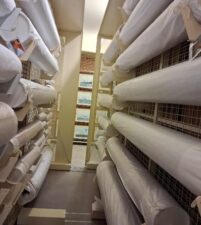
In 2008, as part of the restoration work on the Museum building, a new vault was built. That was when the first action in this regard was taken, assigning the necessary wardrobes and defining the requirements for each object based on their formal characteristics, dimensions and state of conservation.
Depending on the different types, the required adaptations were made to the furniture, preparing a number of drawers in the flat new shelves to put pieces that could be placed flat due to their dimensions along with smaller objects.
Furthermore, some wardrobes were equipped with metal bars where it was possible to hang the military clothes that were suitable to be stored that way.
The preparation process
We have recently started the process of preparing the hangers and containers according to the shapes of each shirt, jacket, trouser, cap and accessory.
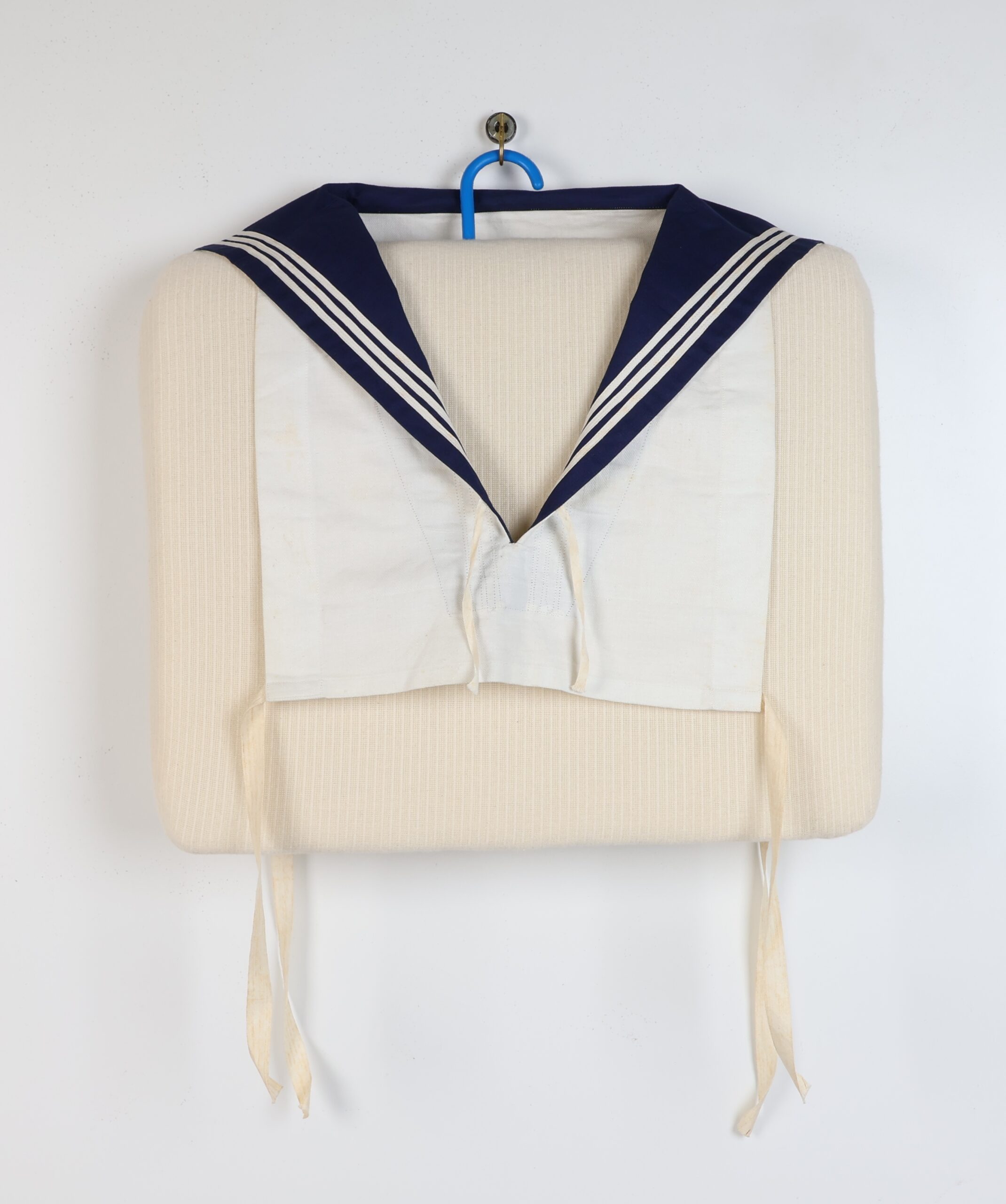
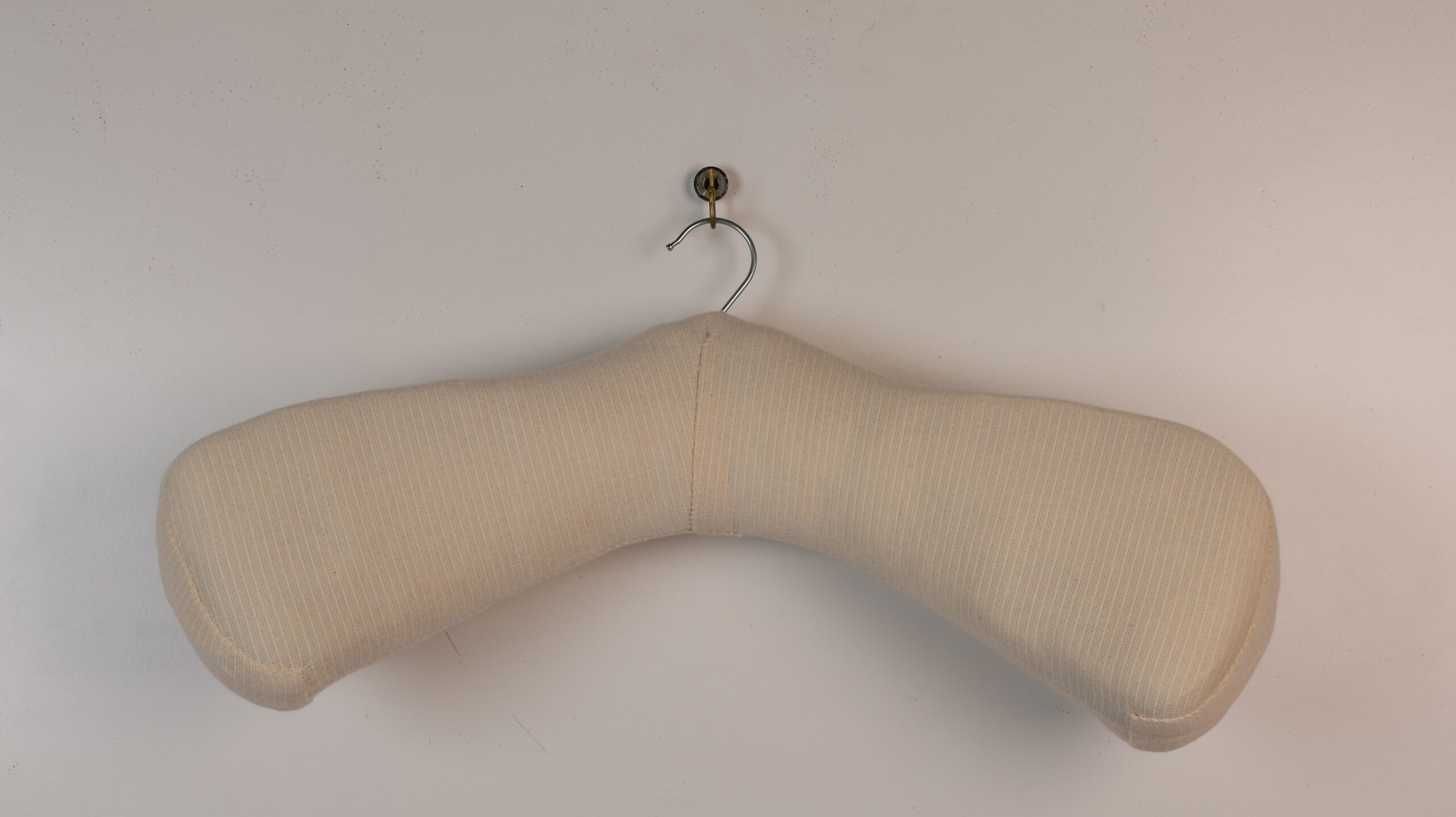
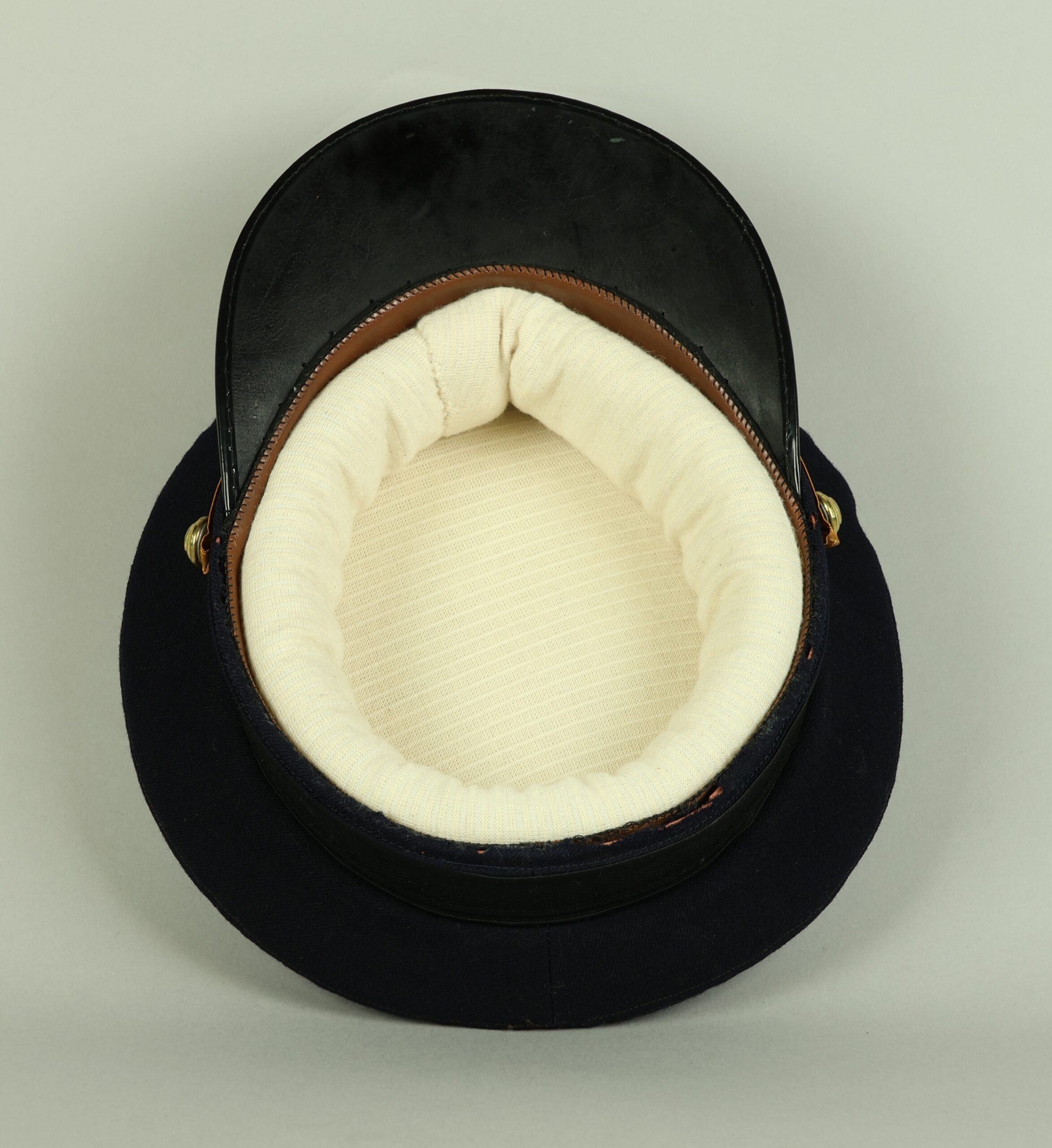
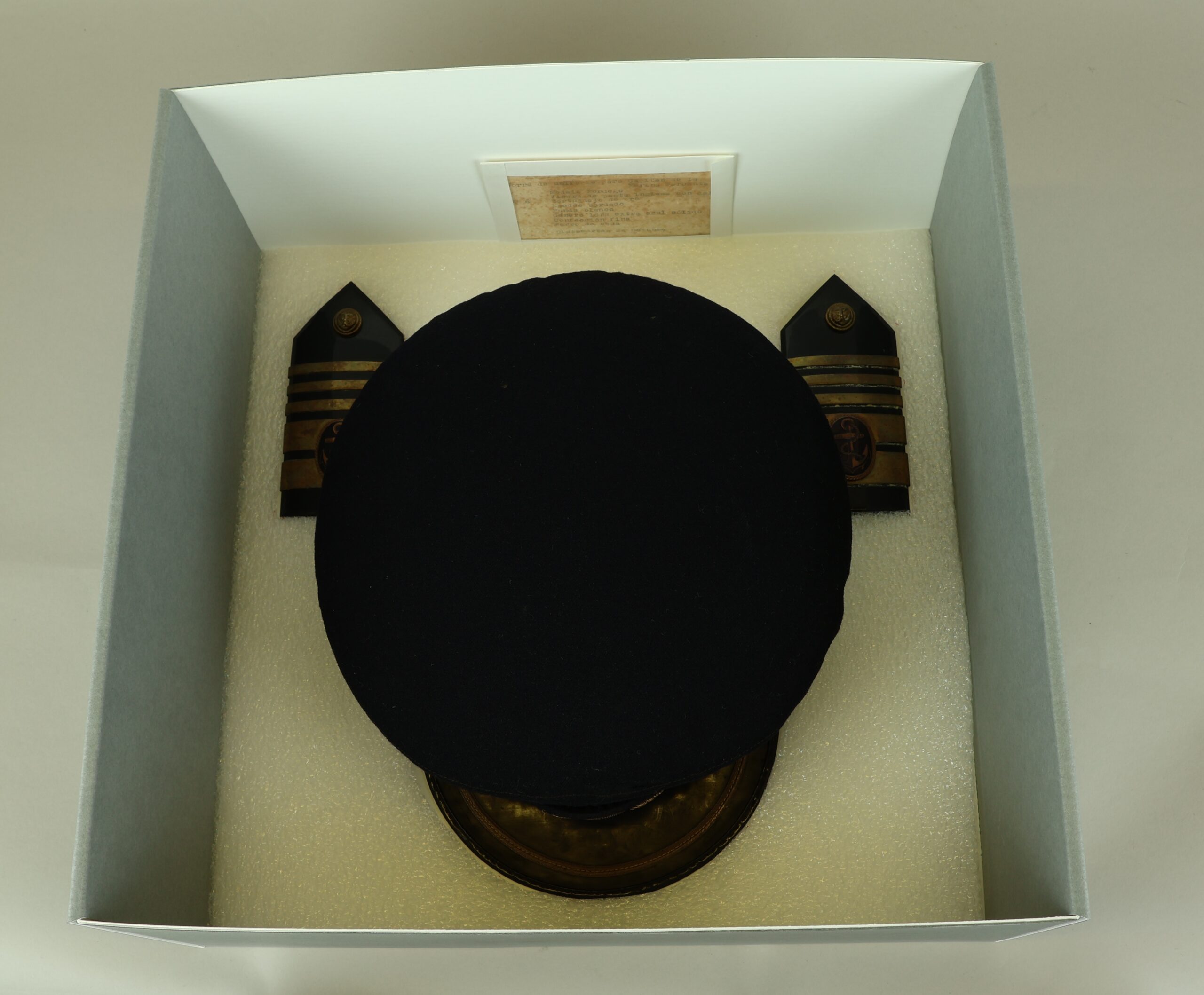
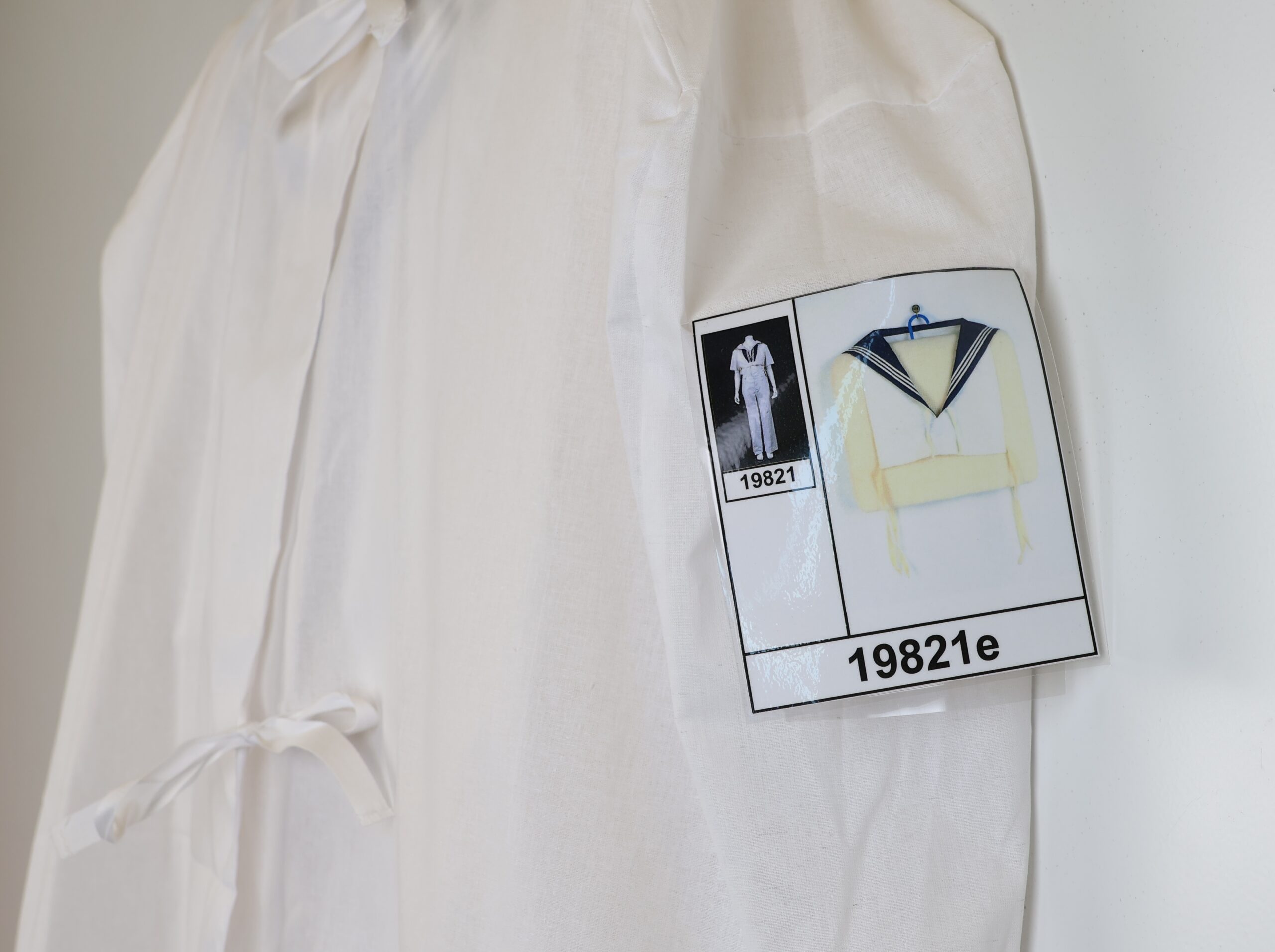
They have been visibly numbered so that they are not handled unnecessarily.
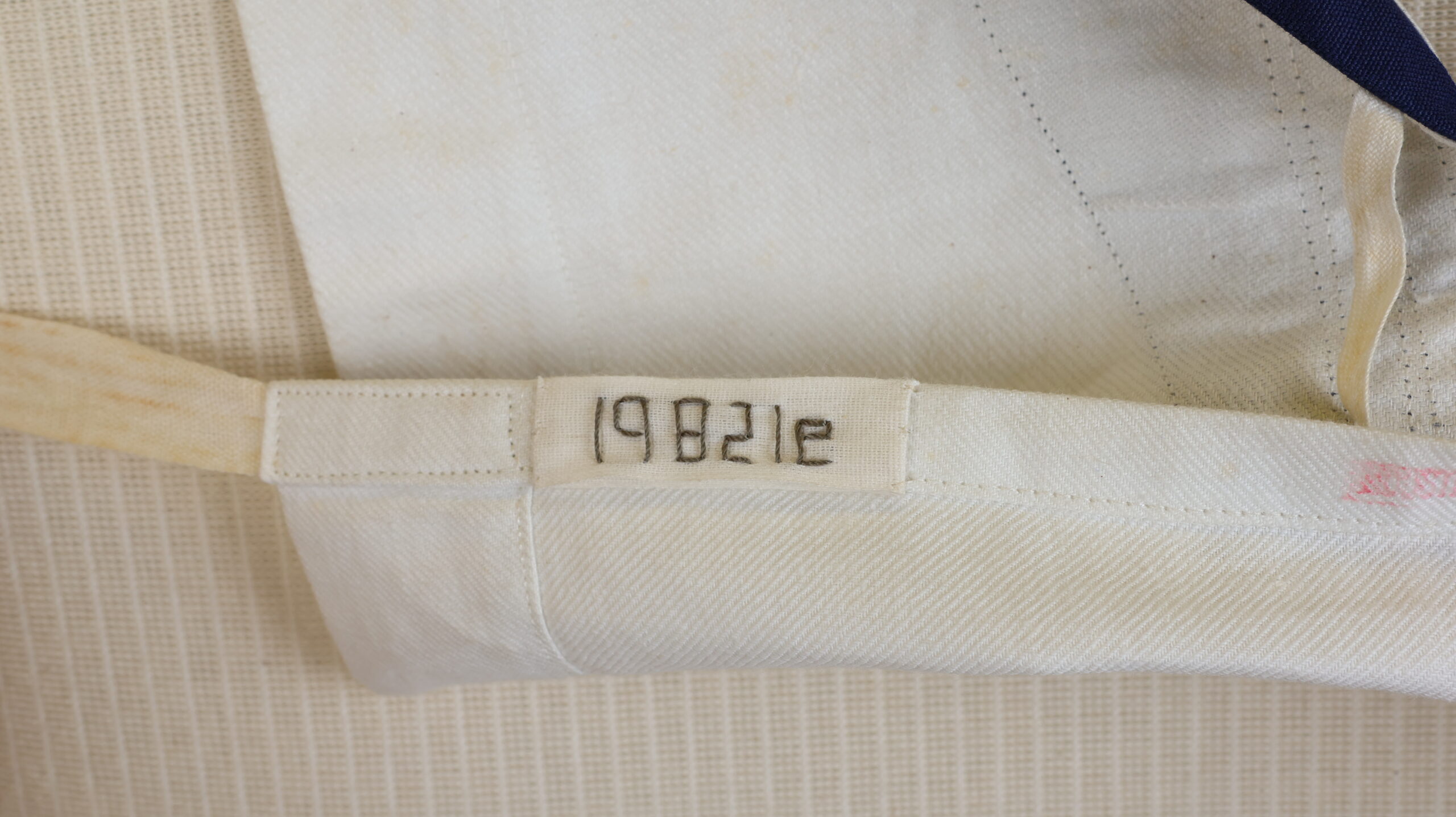

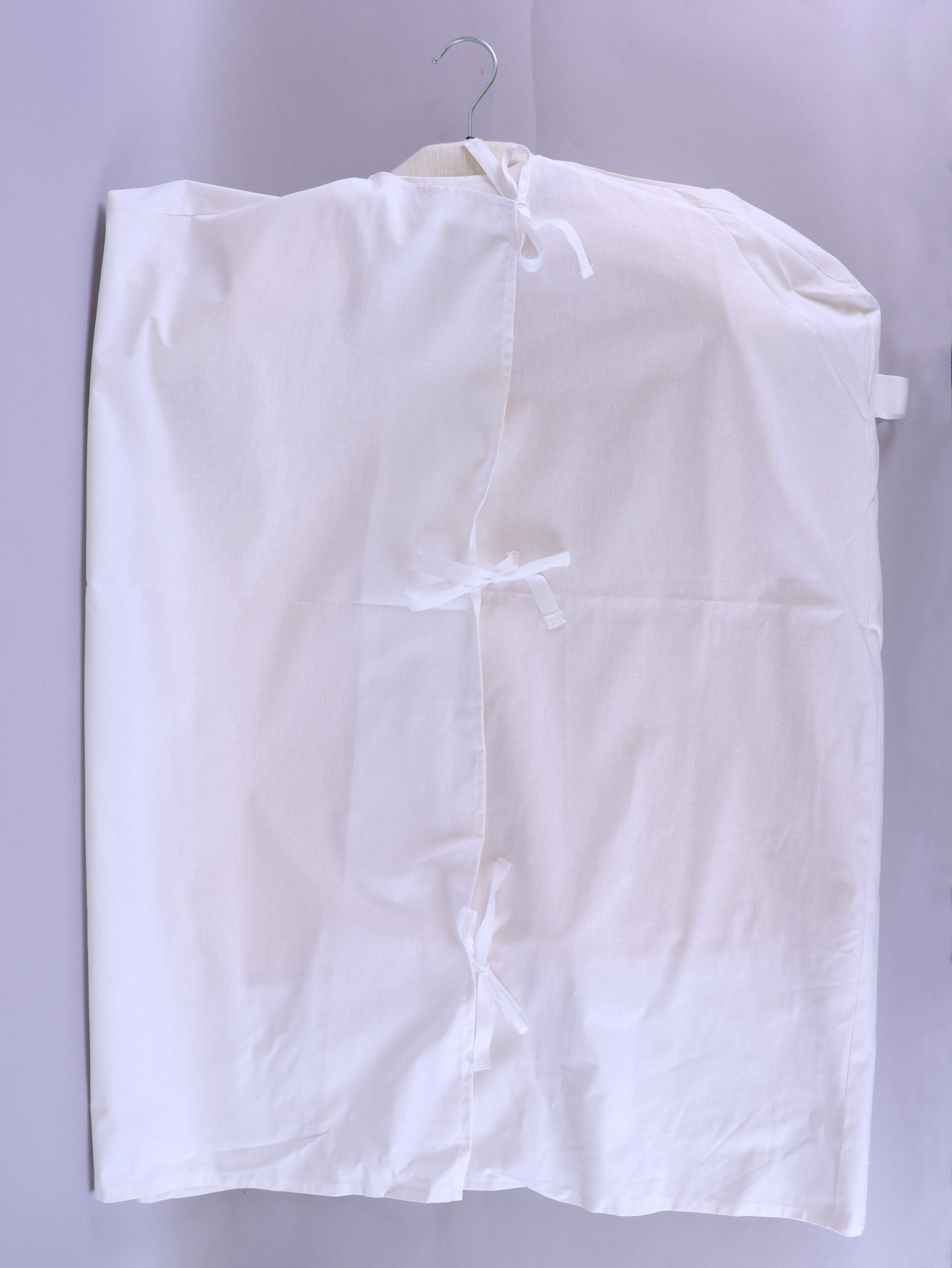
Cotton covers have also been made to protect them from dust and light.
Finally, half-moon-shaped metal supports have been designed that can be hung on the bars. The ends of these structures support the cylinders that contain the large, rolled-up fabrics.